
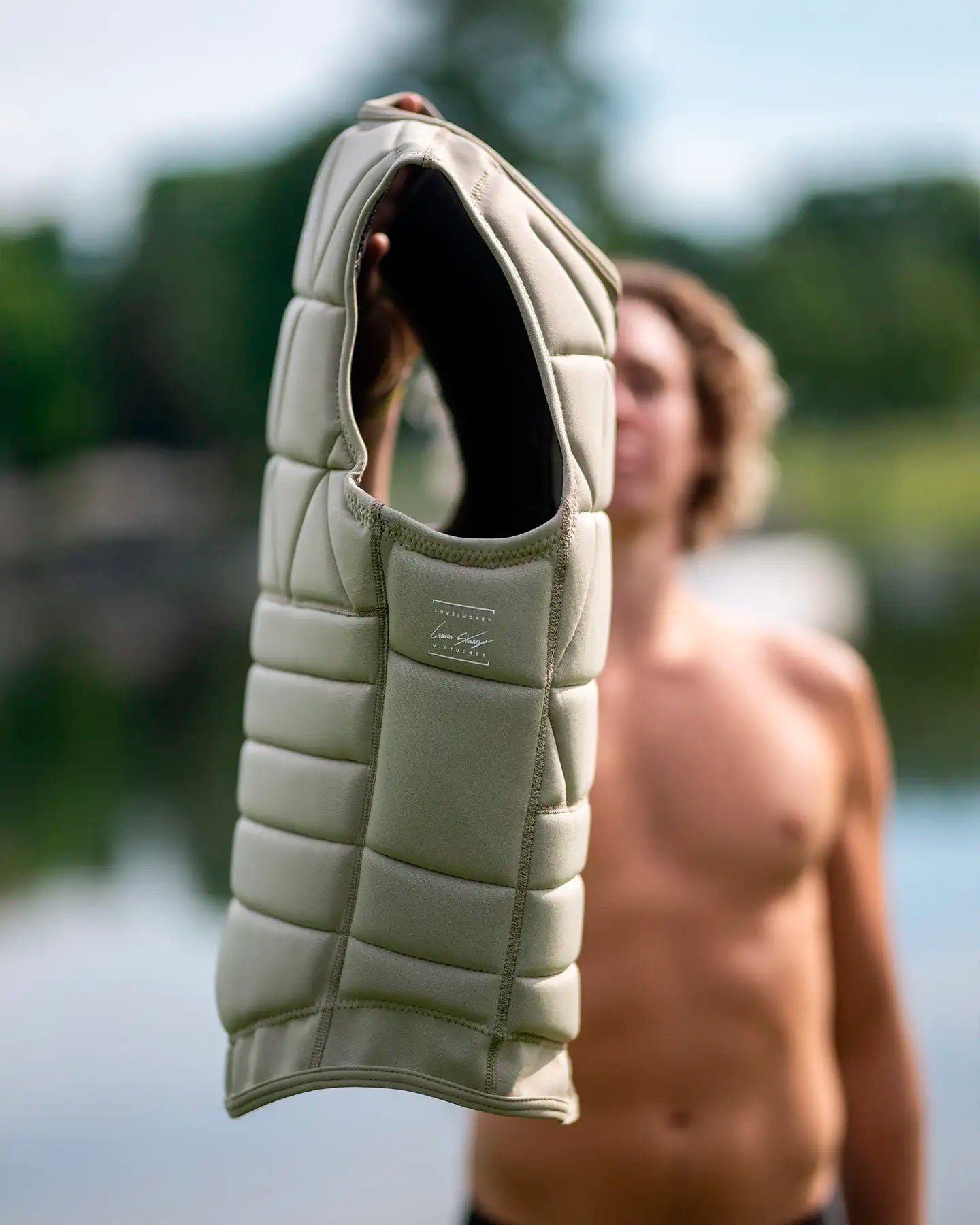

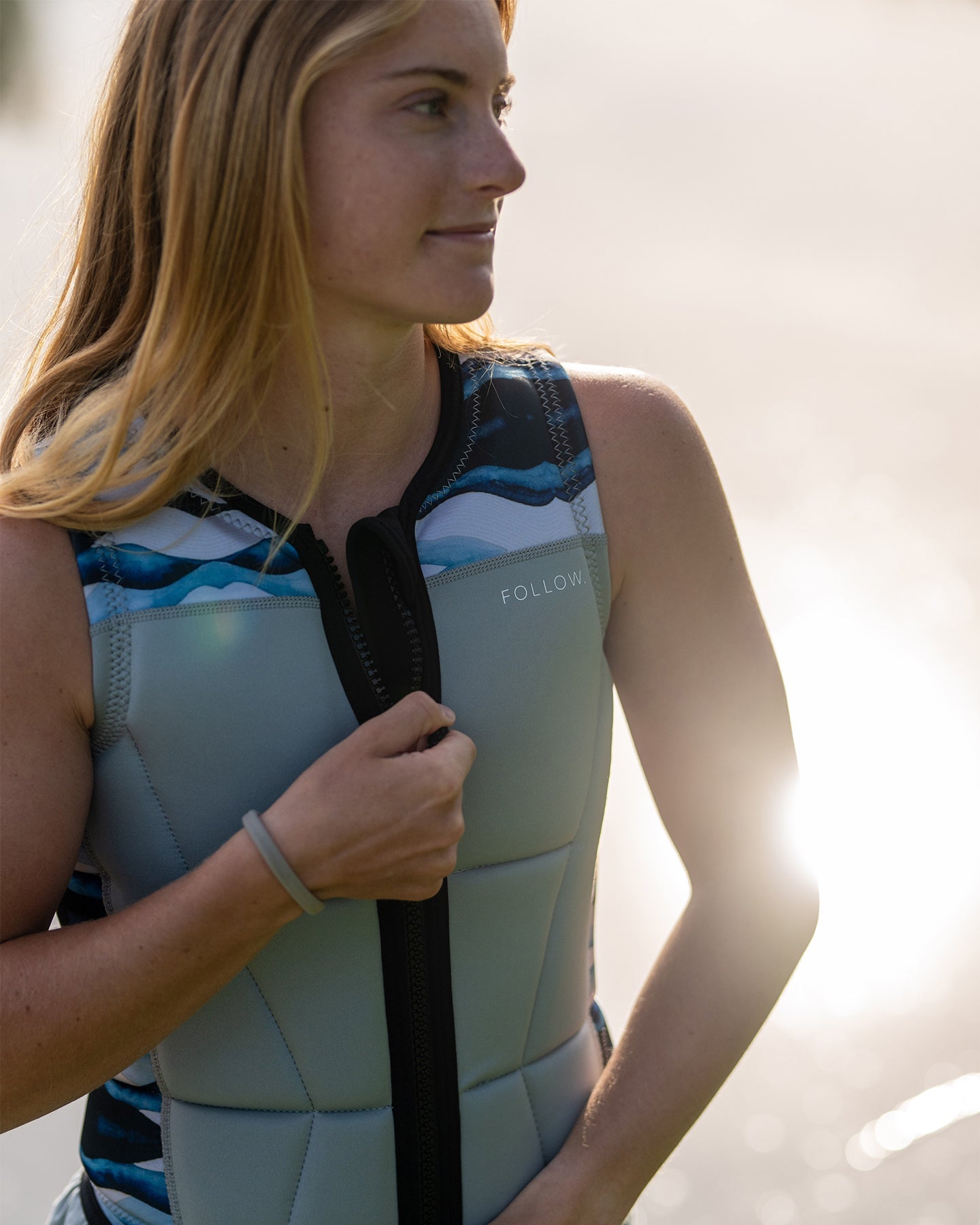
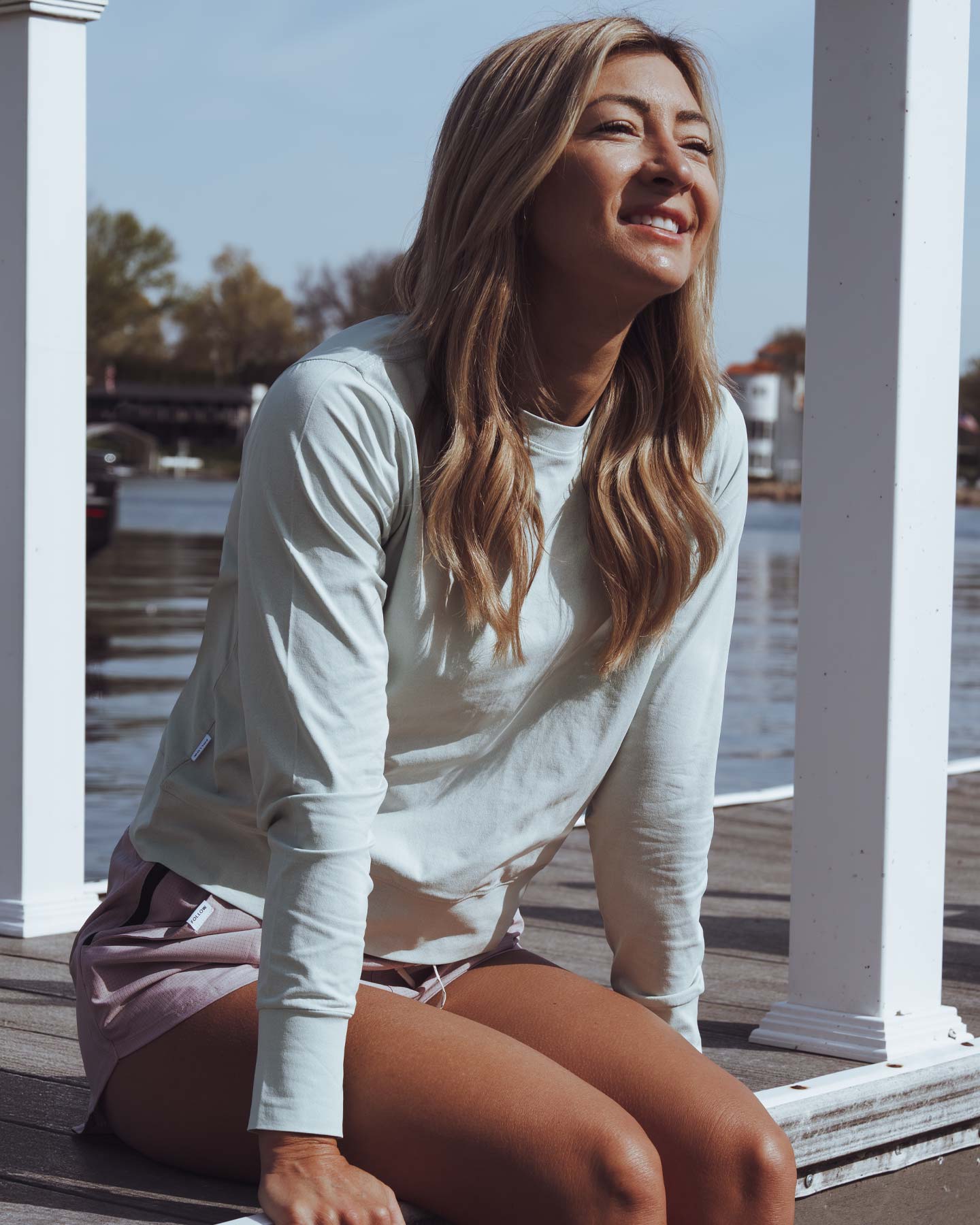
Protection from the Elements.
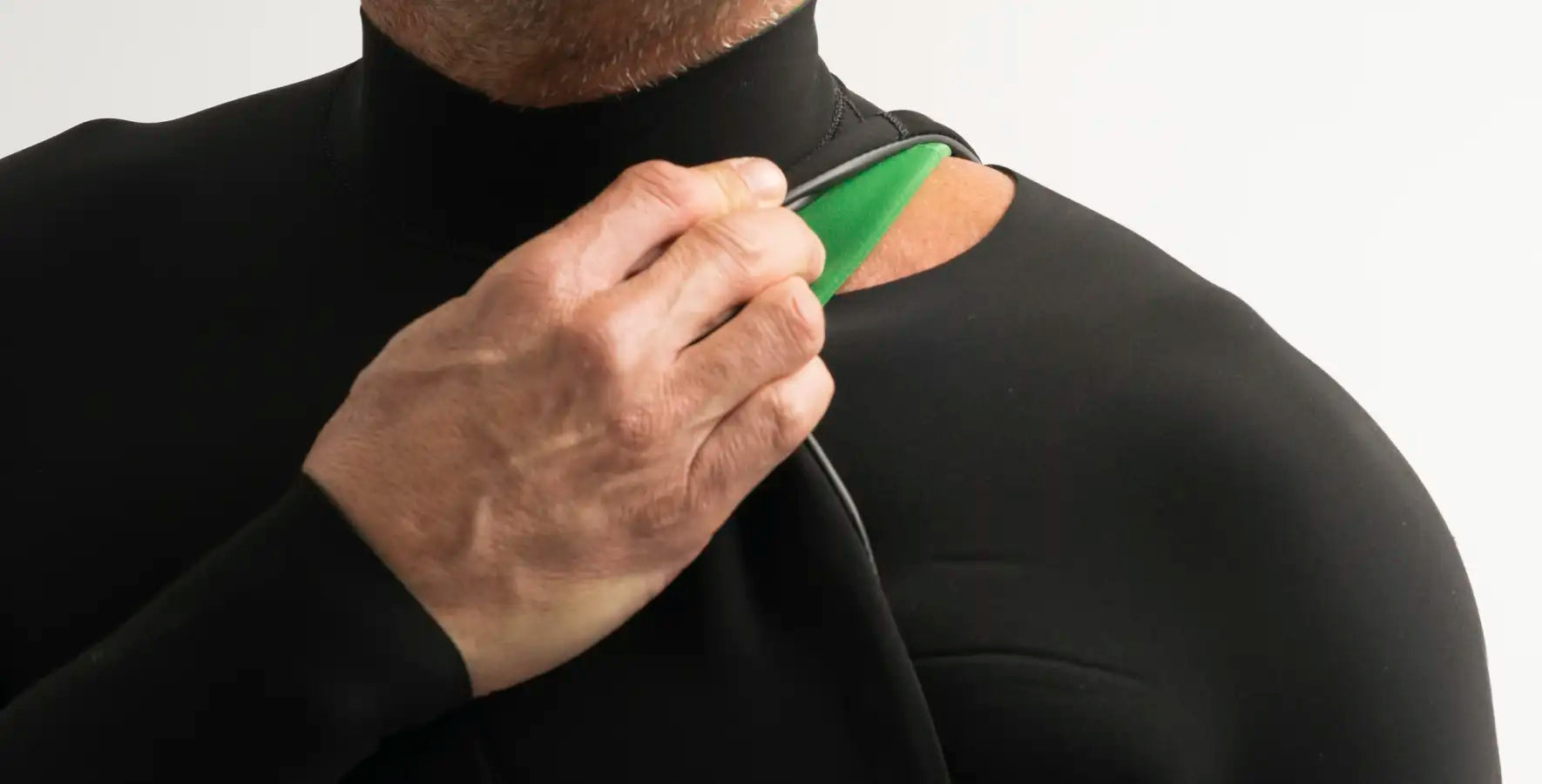

Enhanced Comfort and Mobility

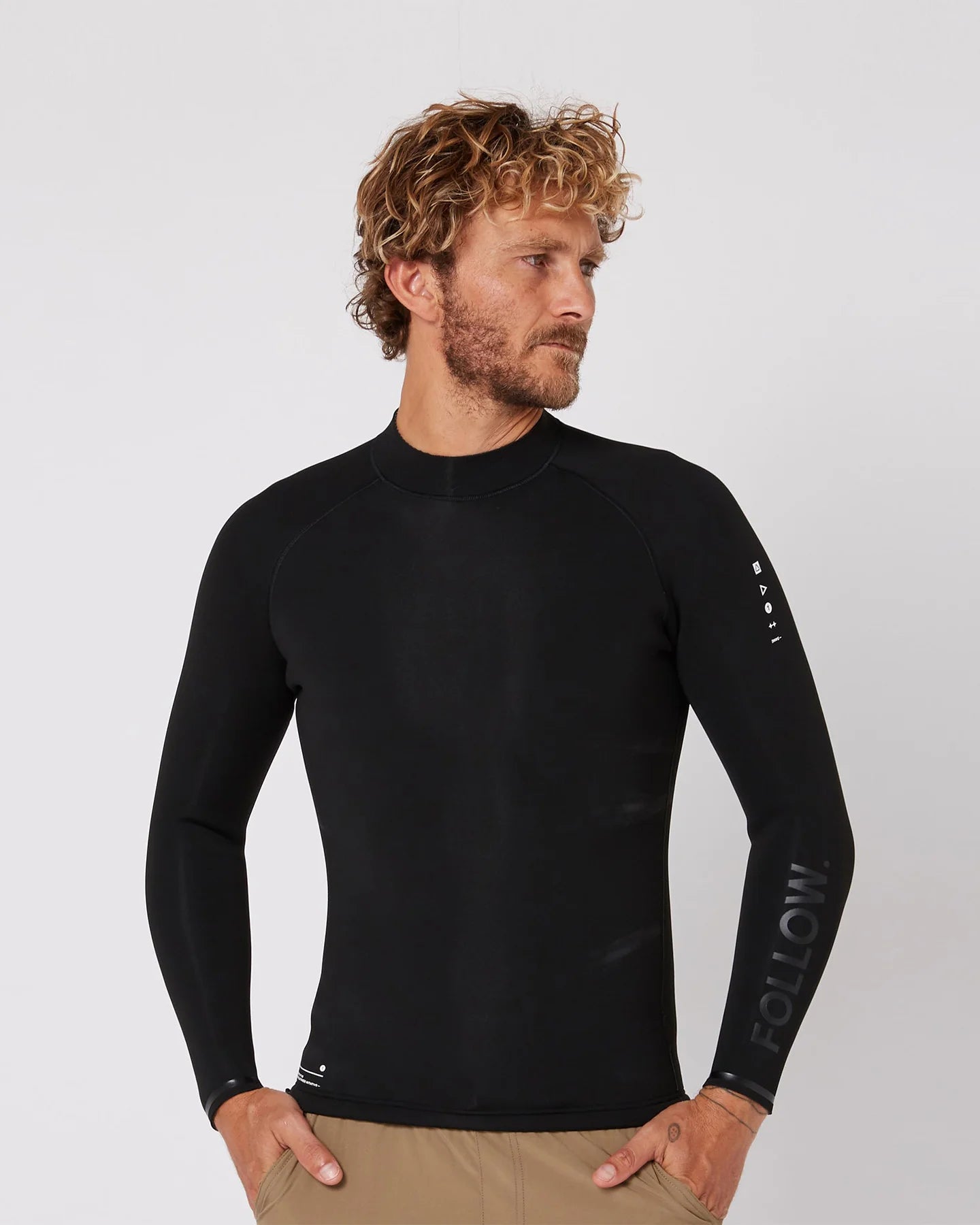
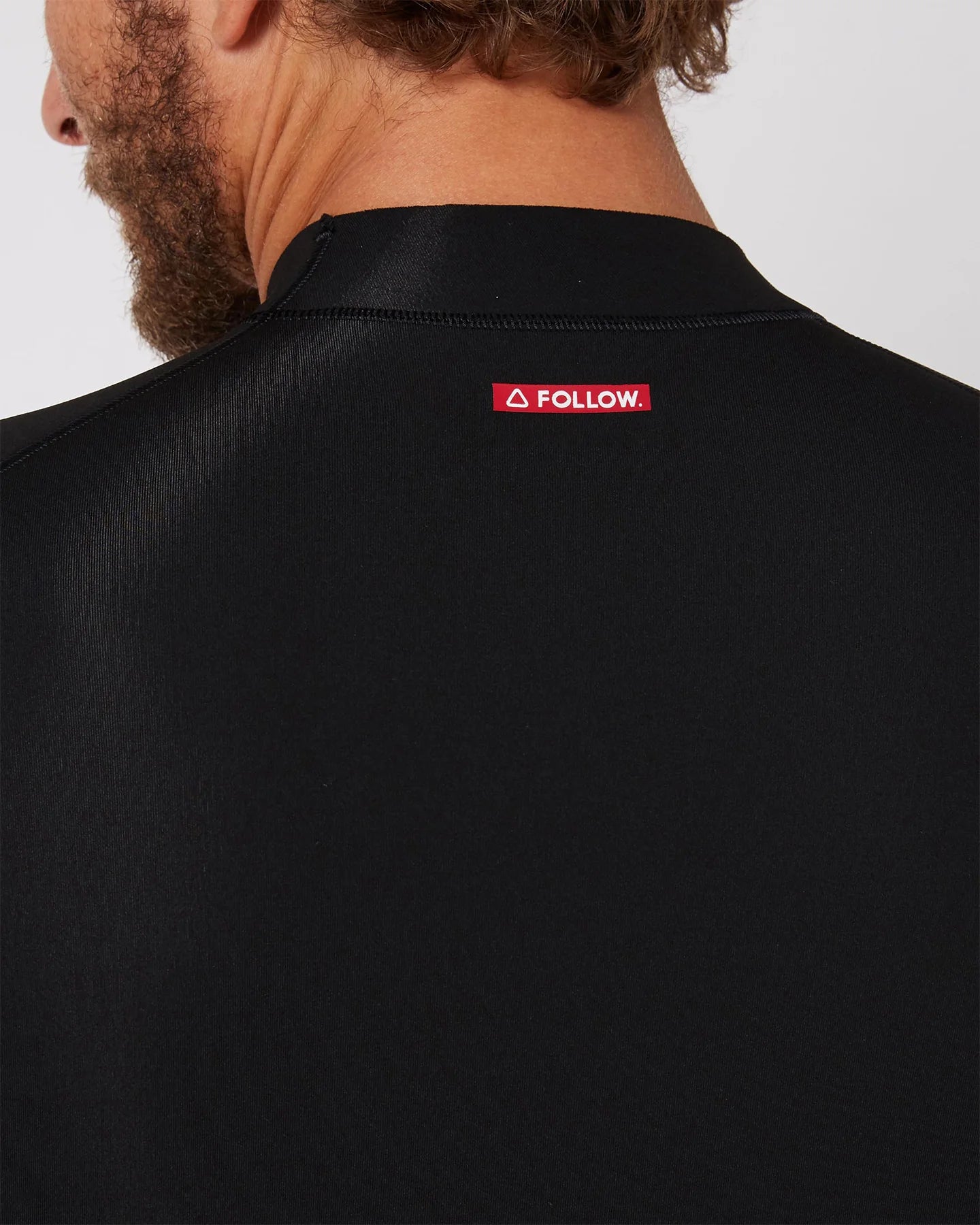
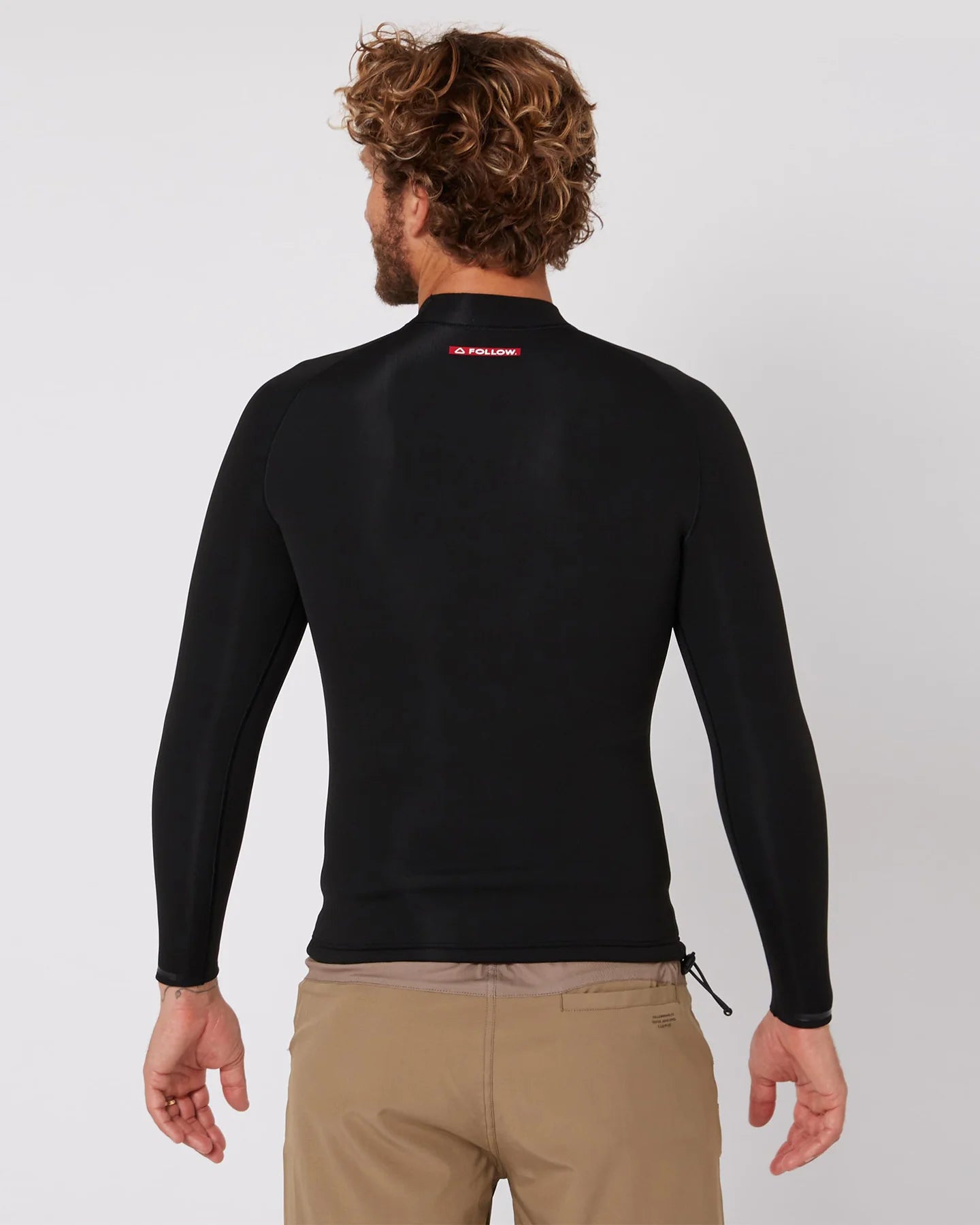
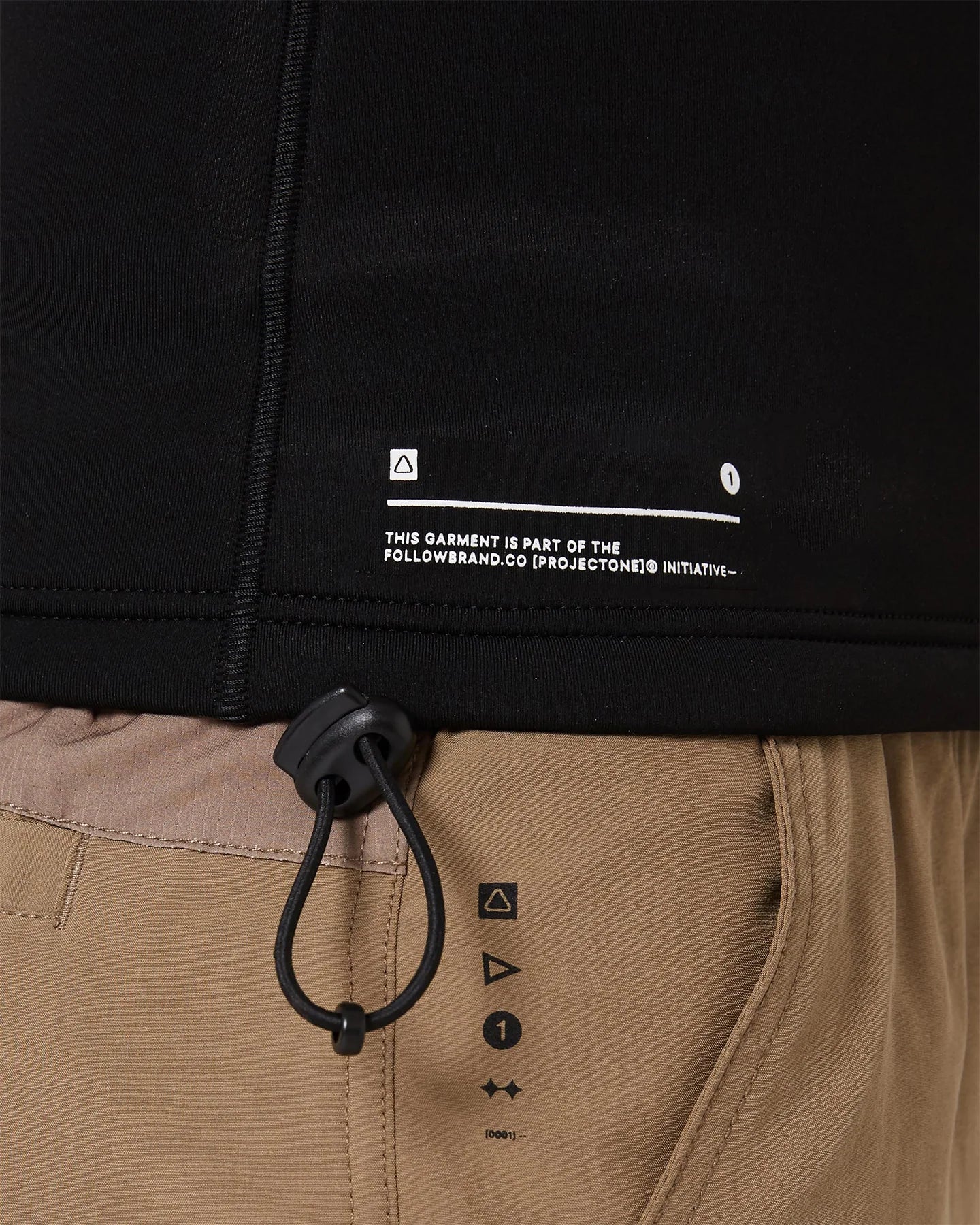
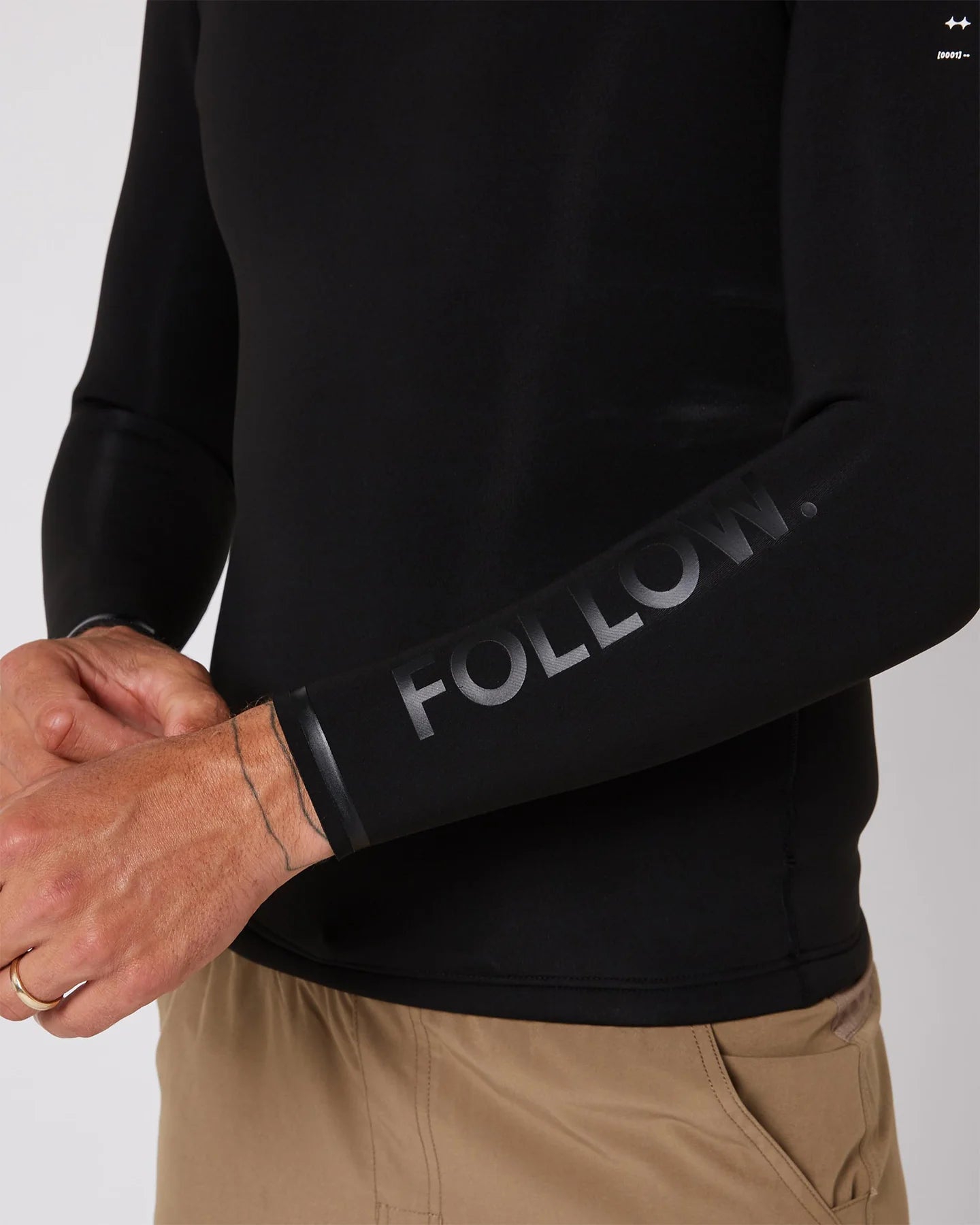
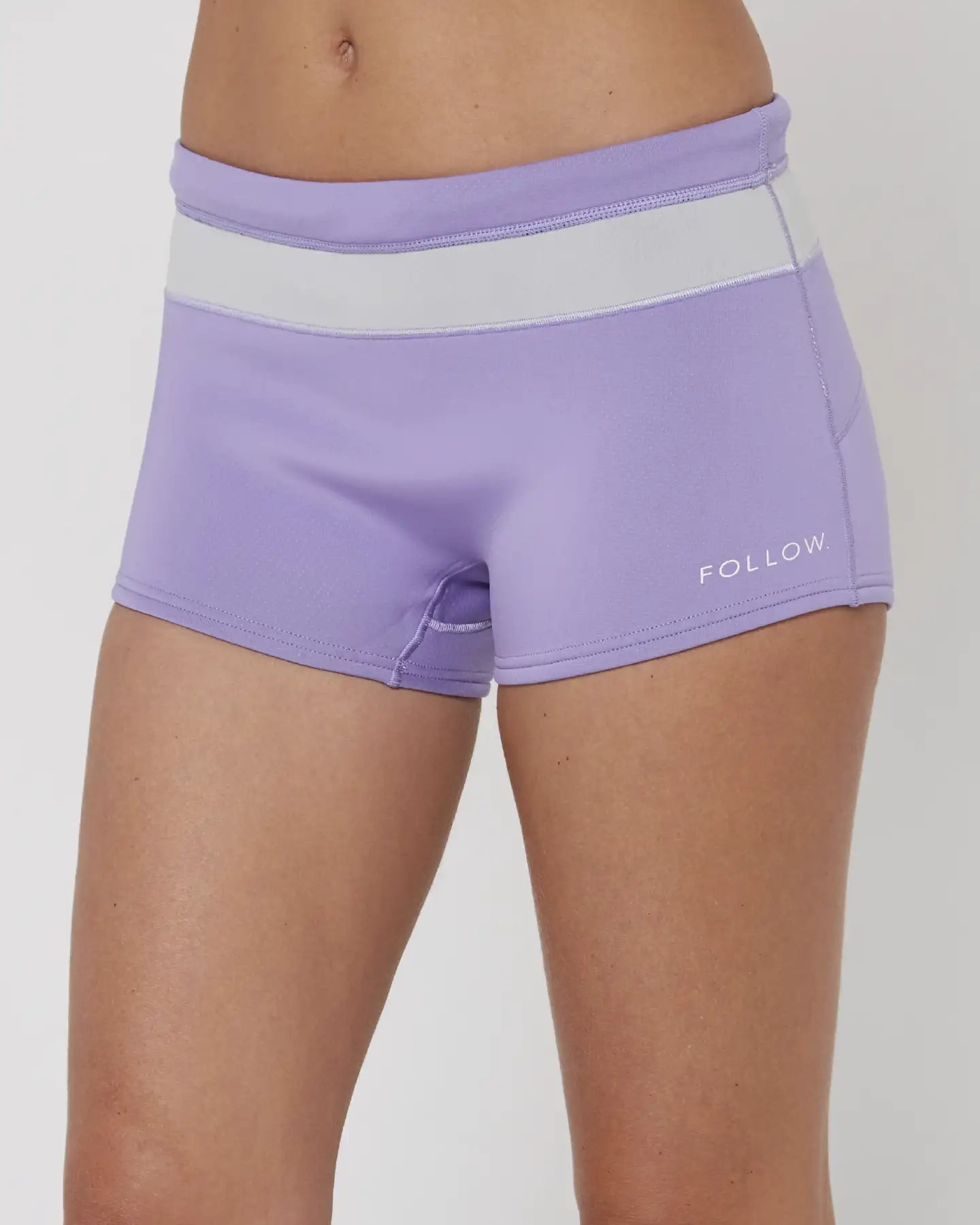
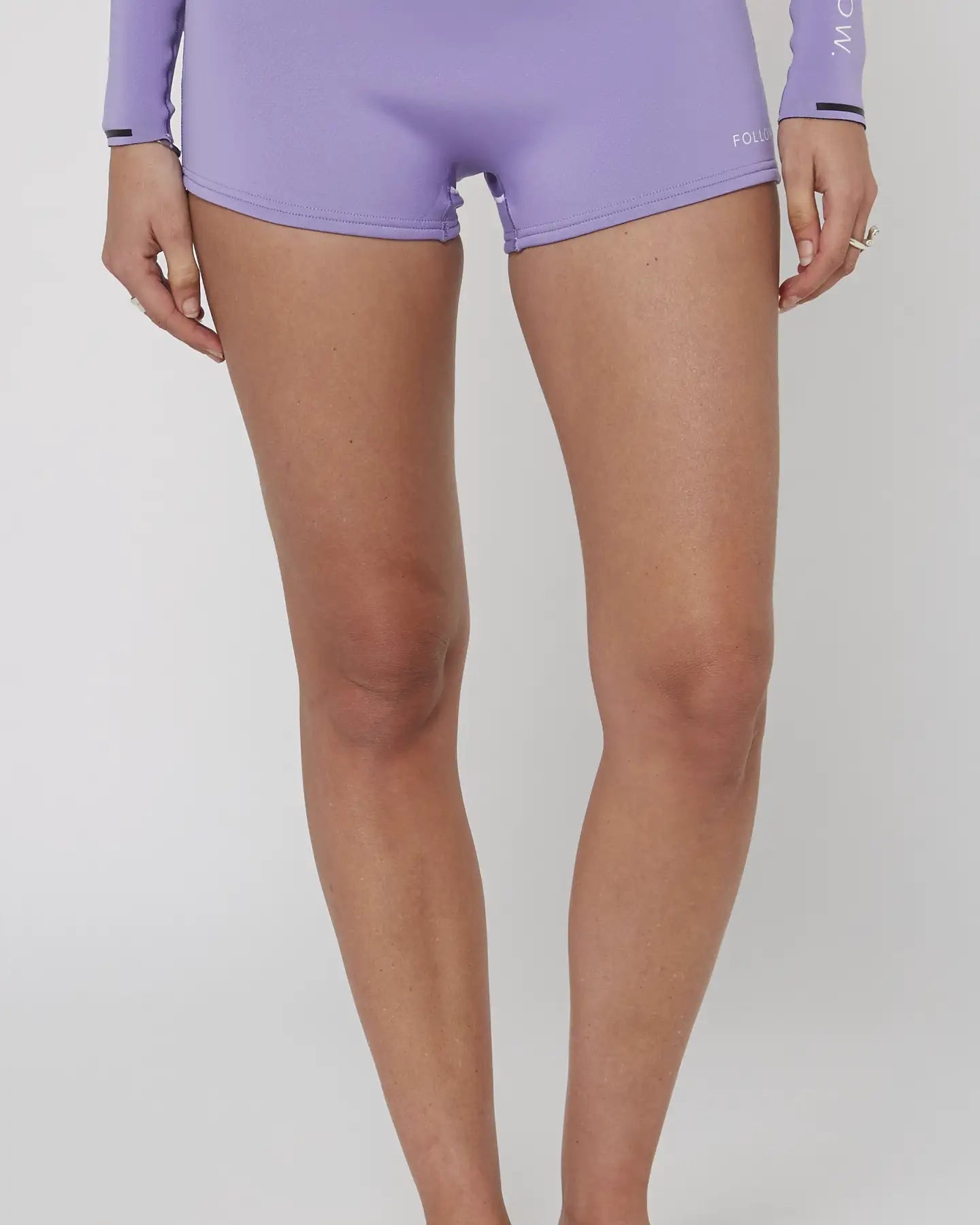
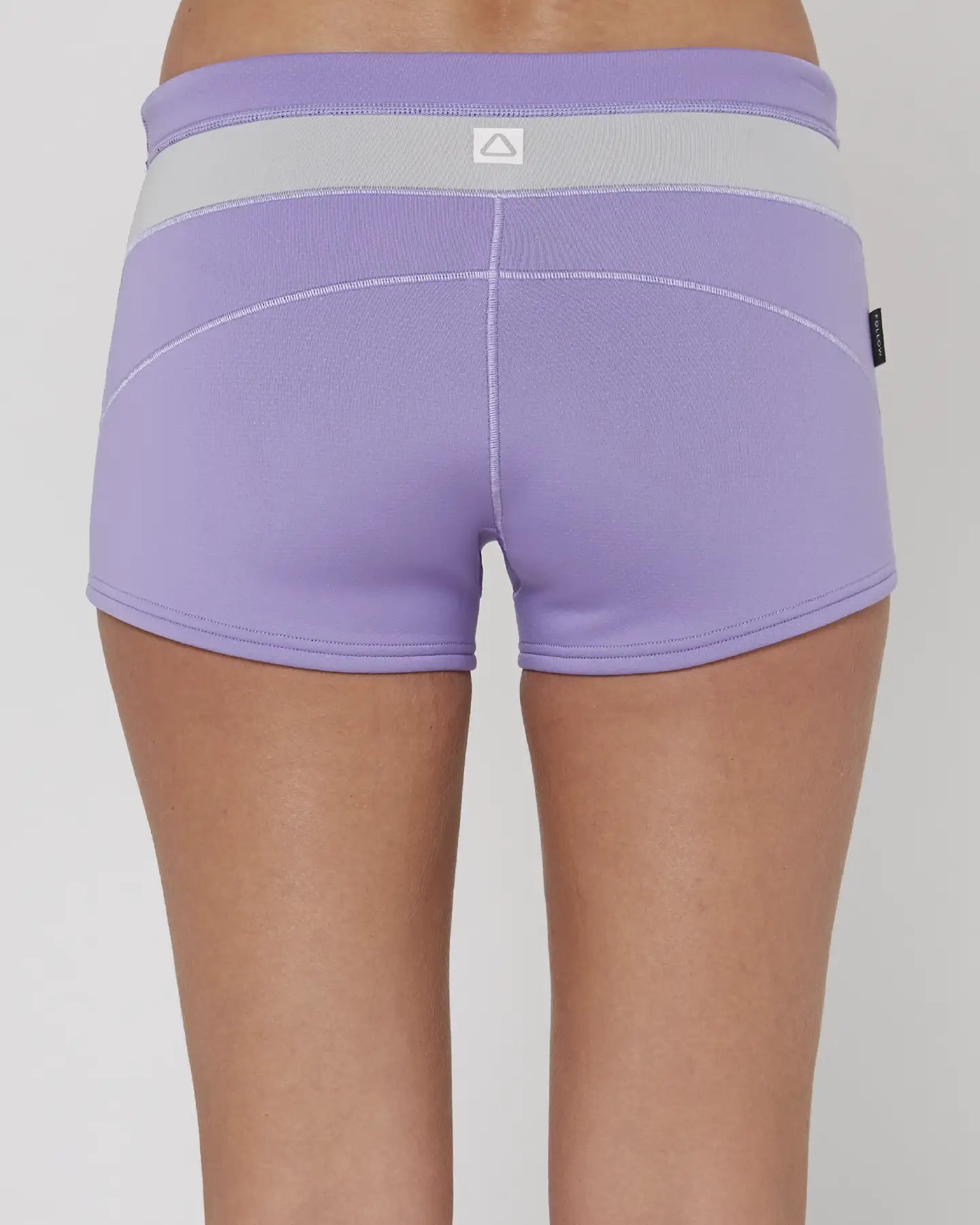
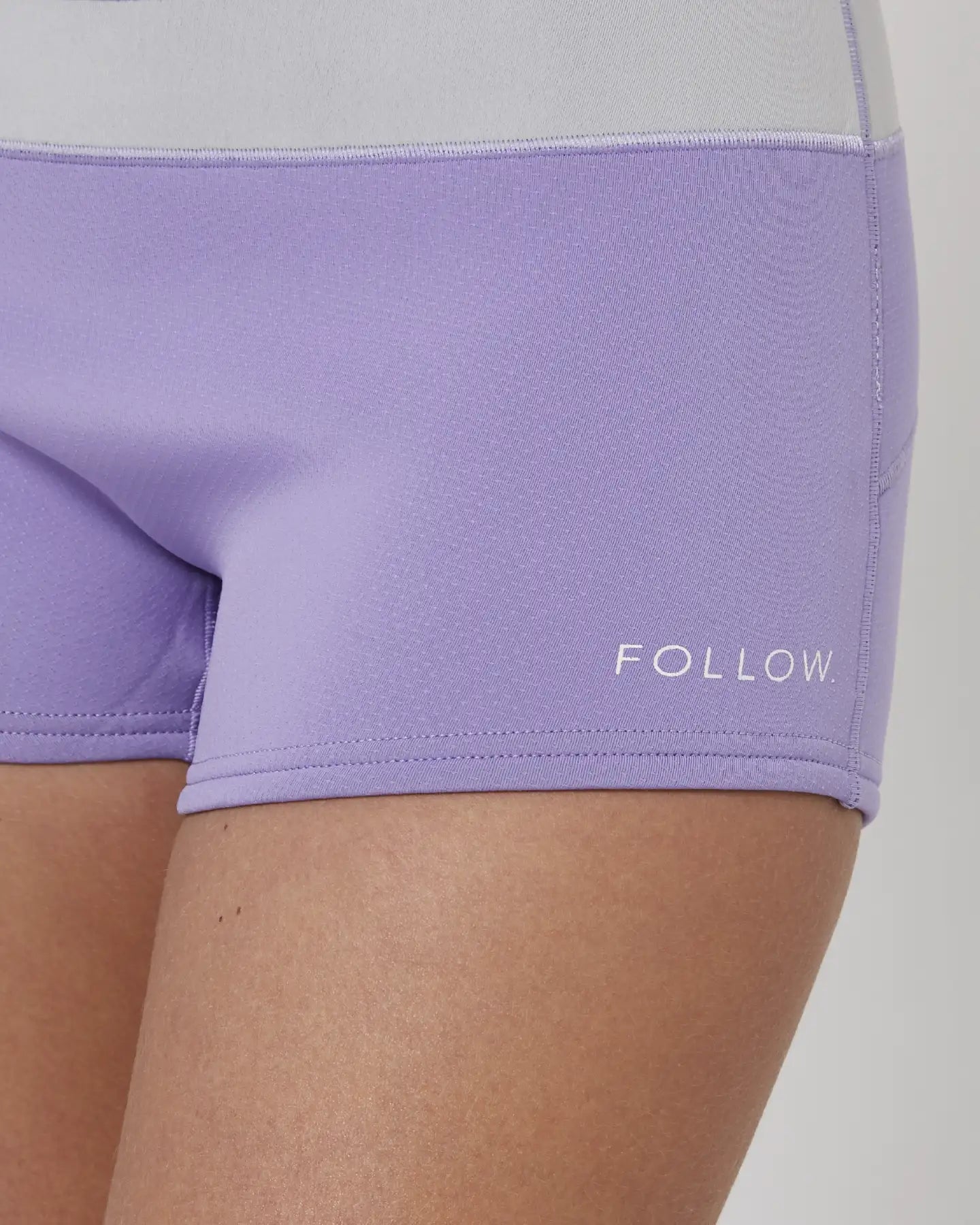
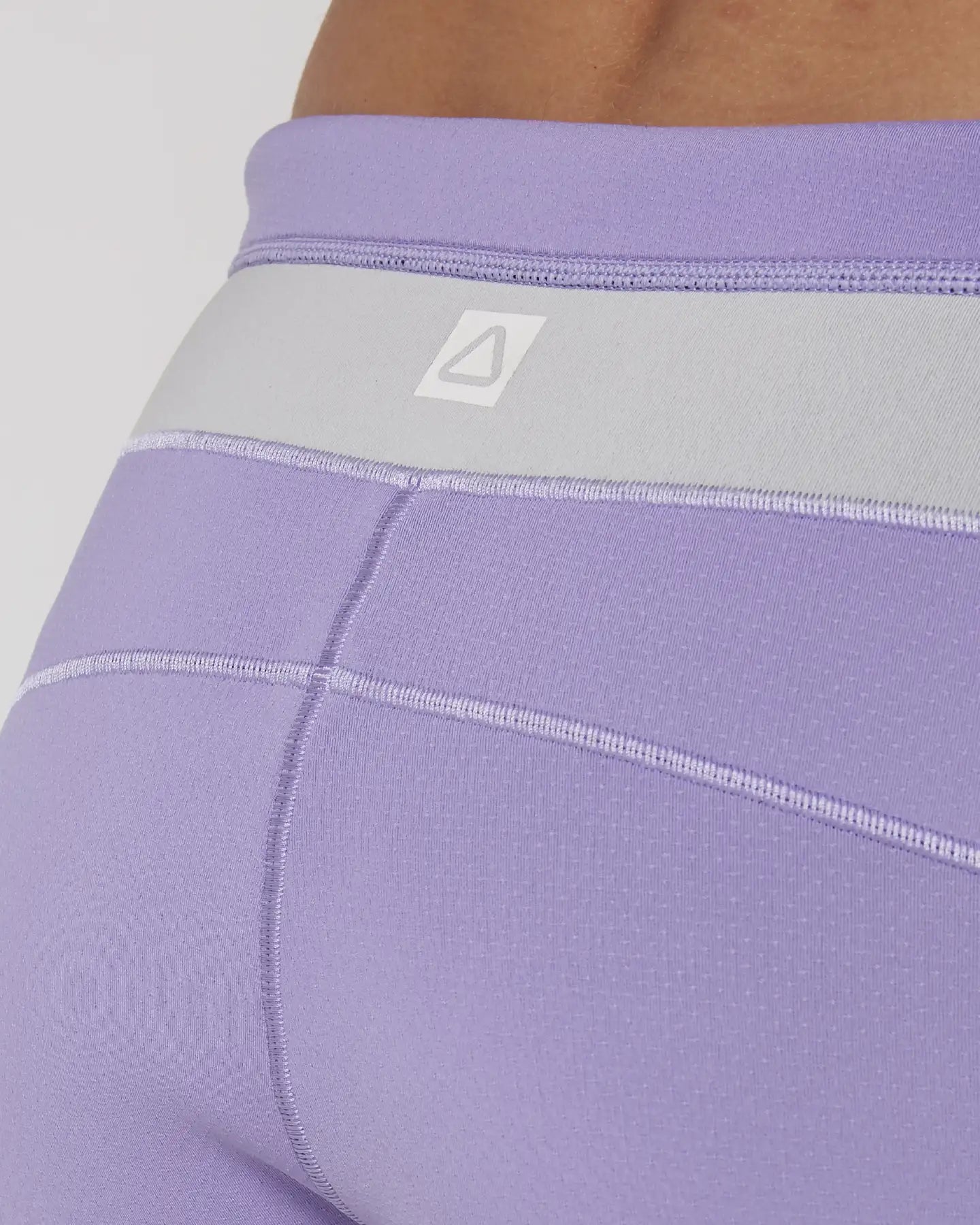
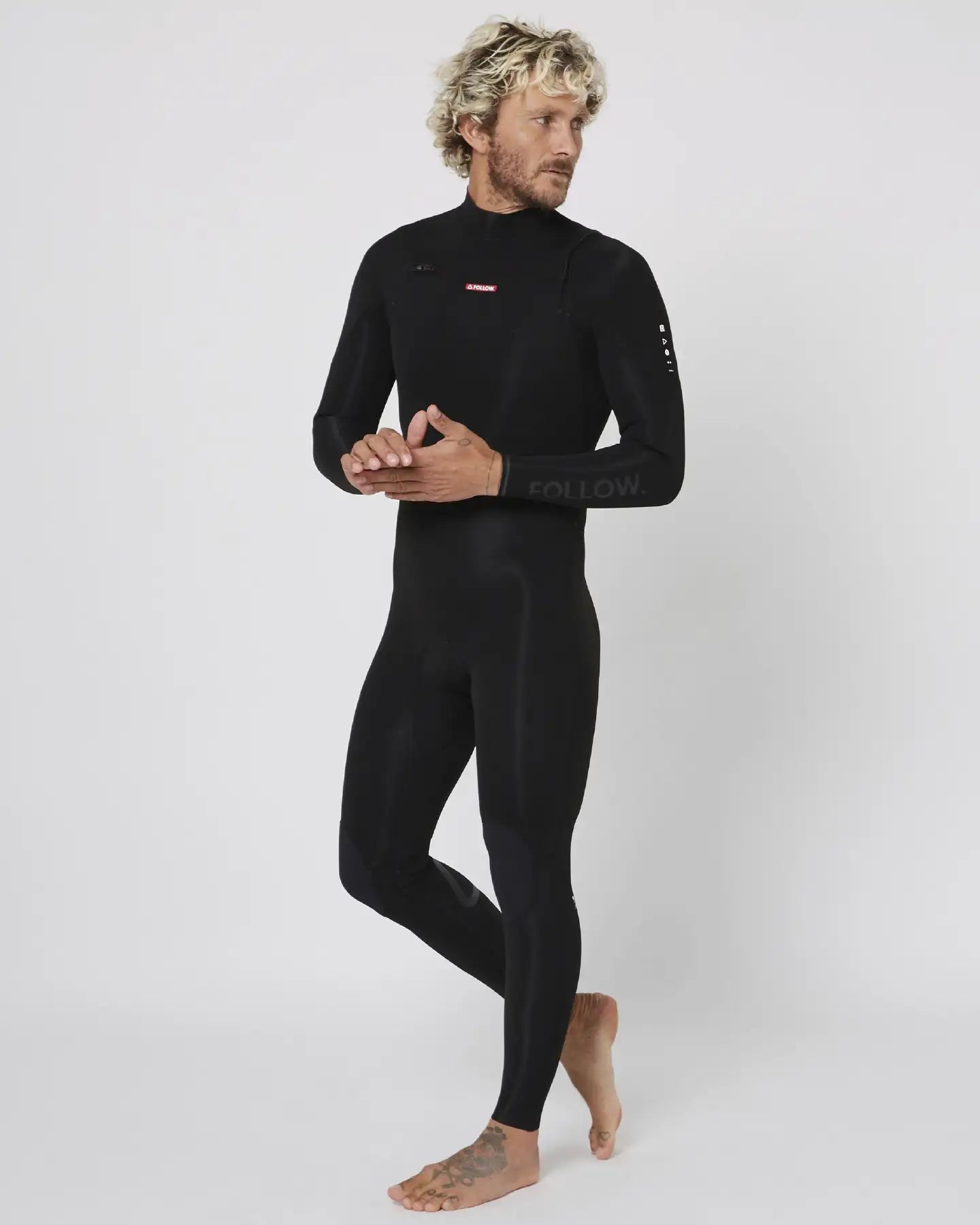
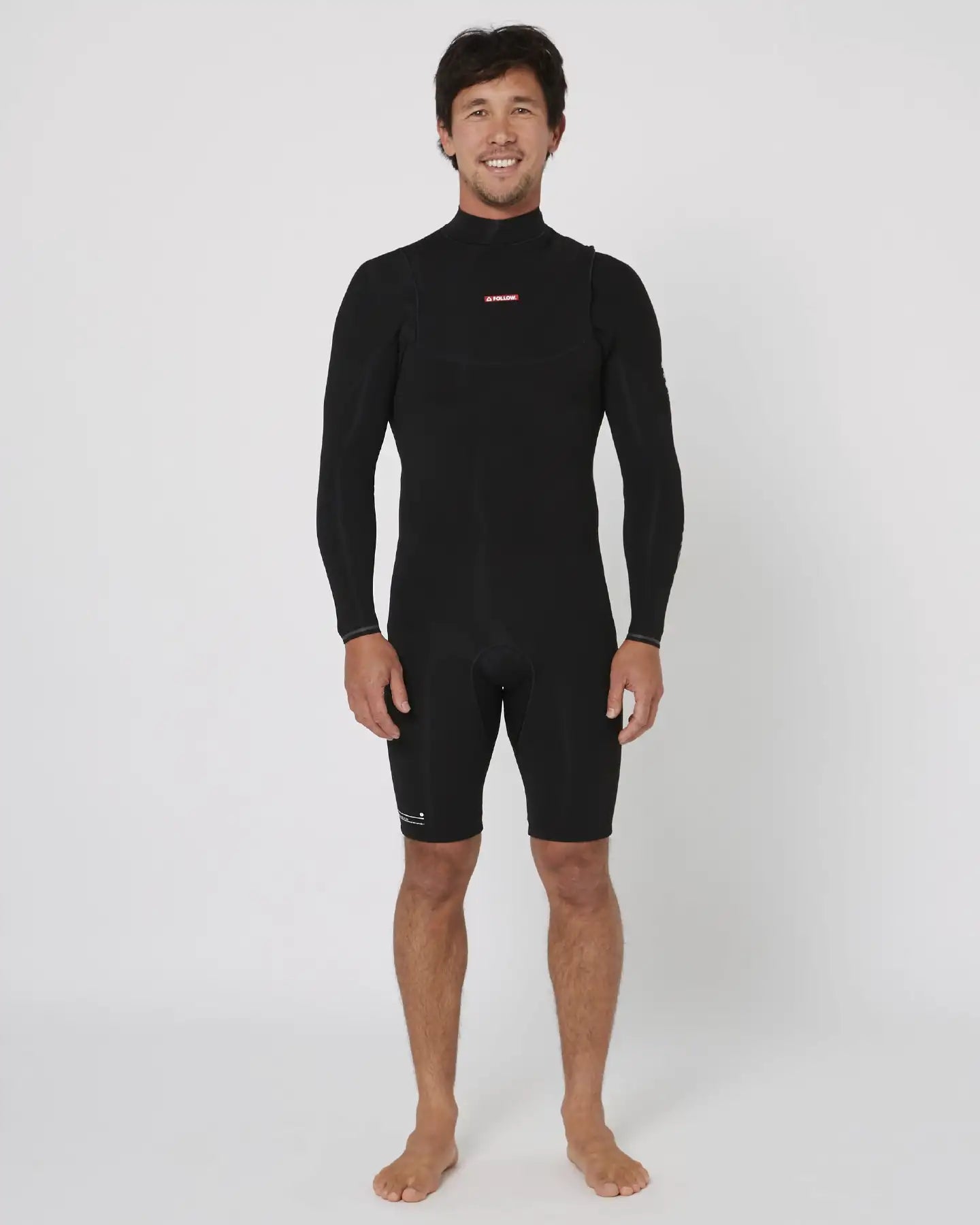
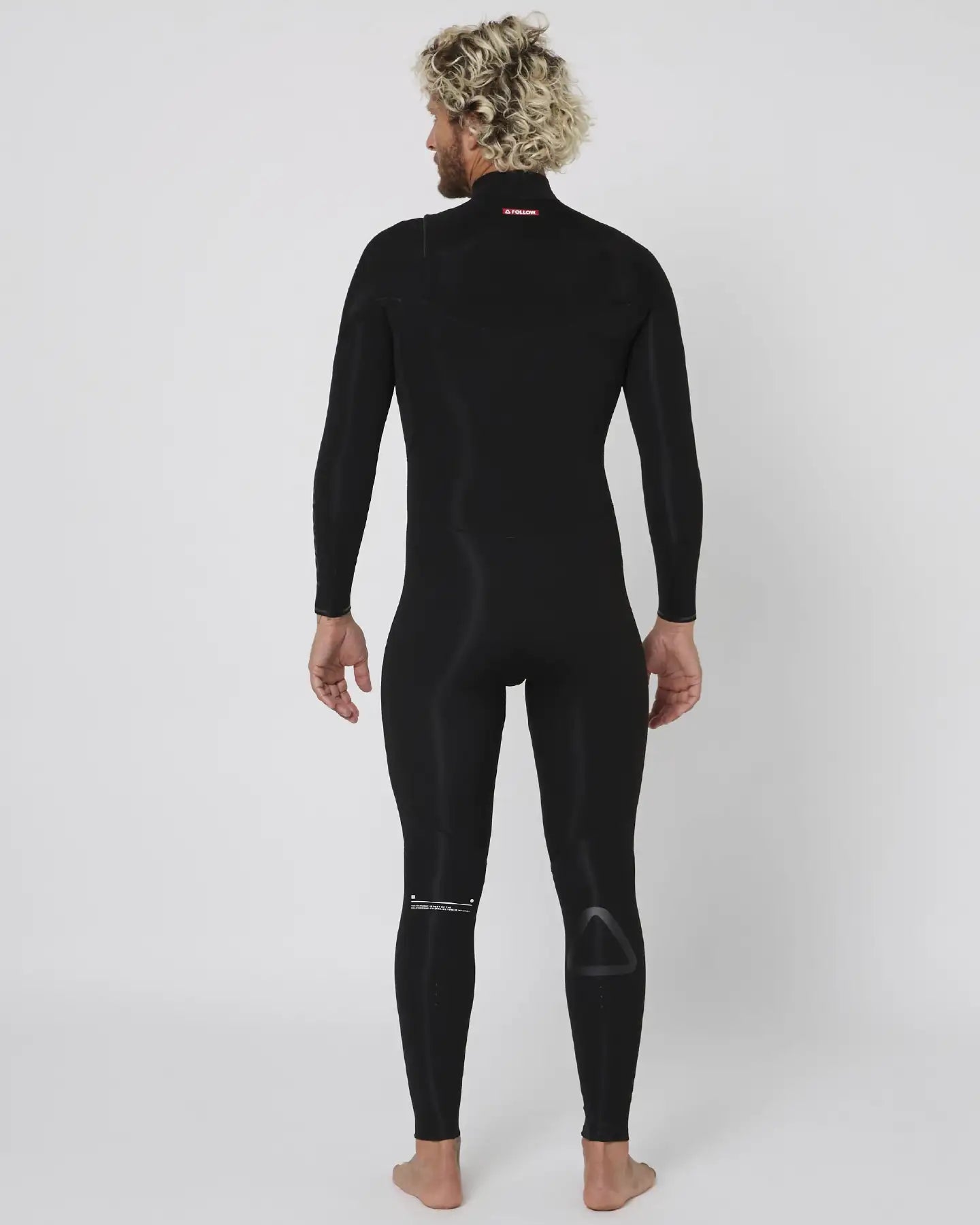
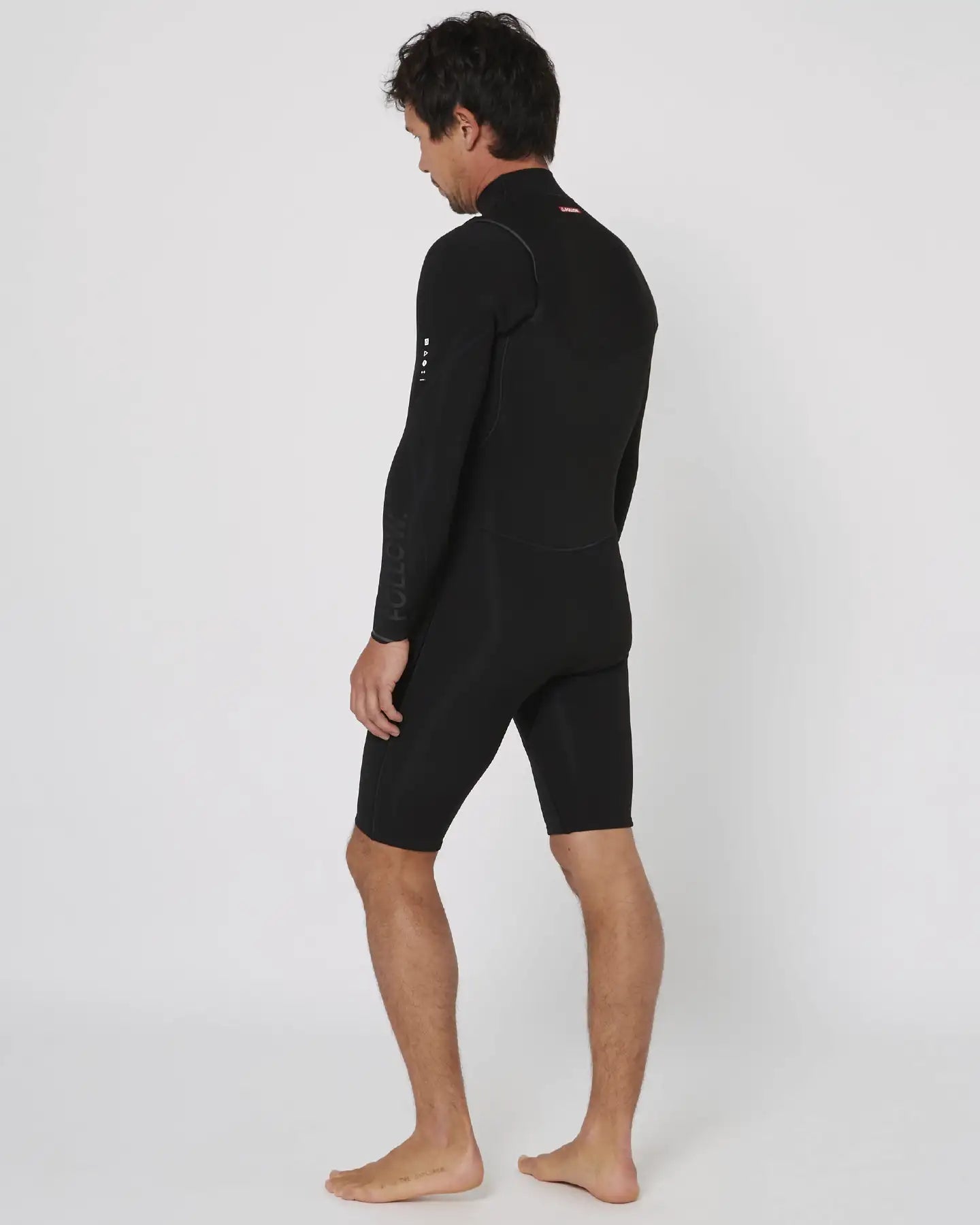
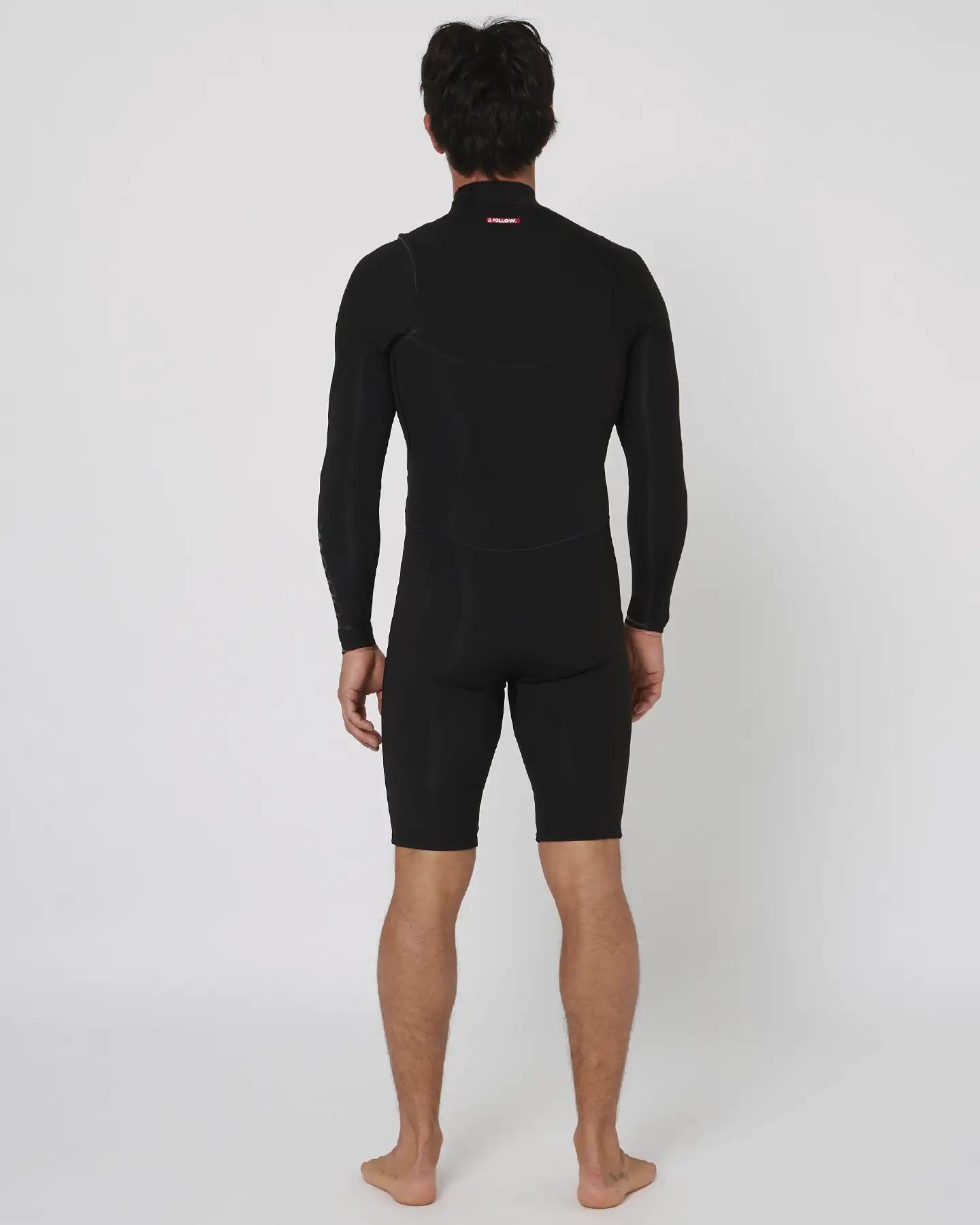
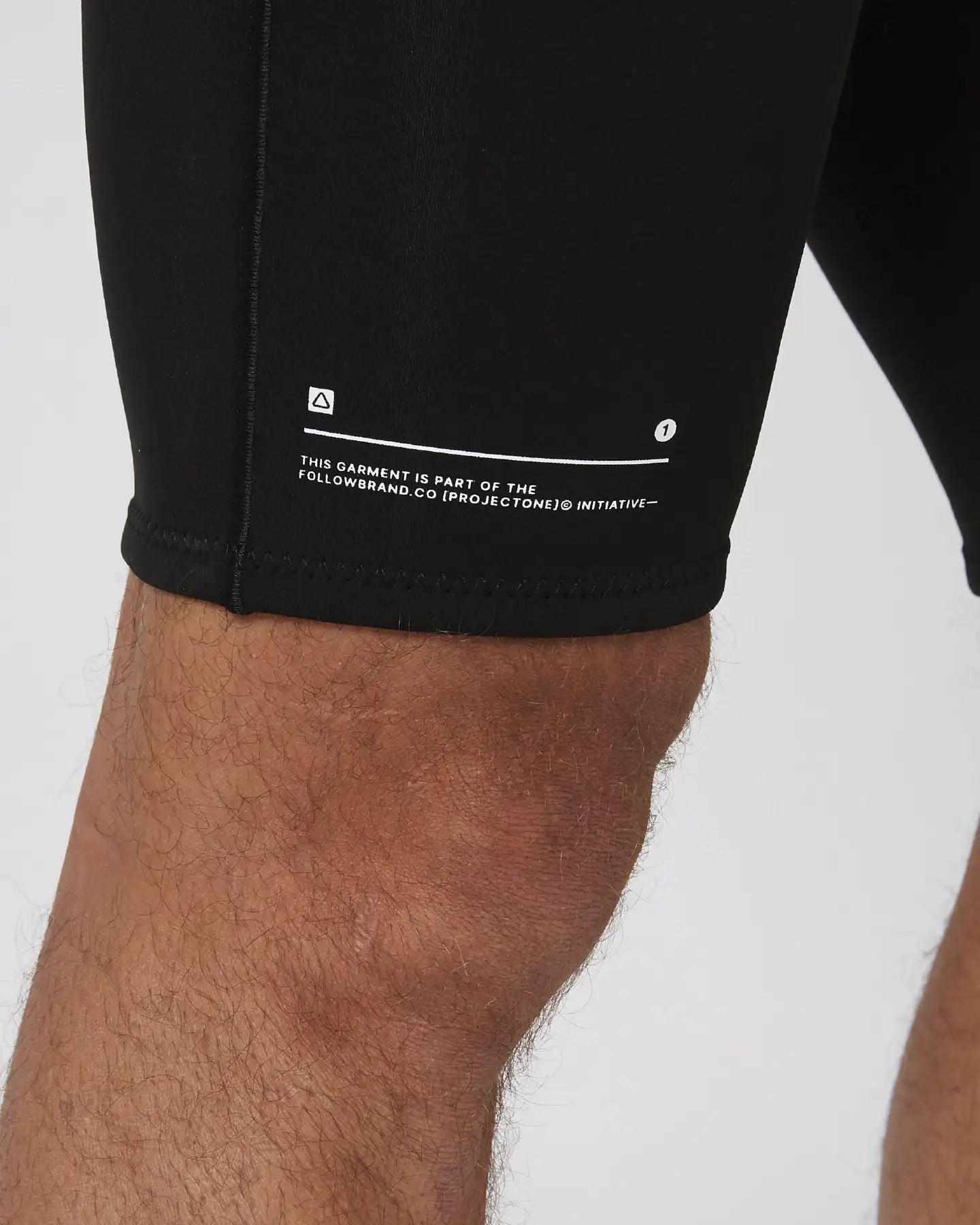
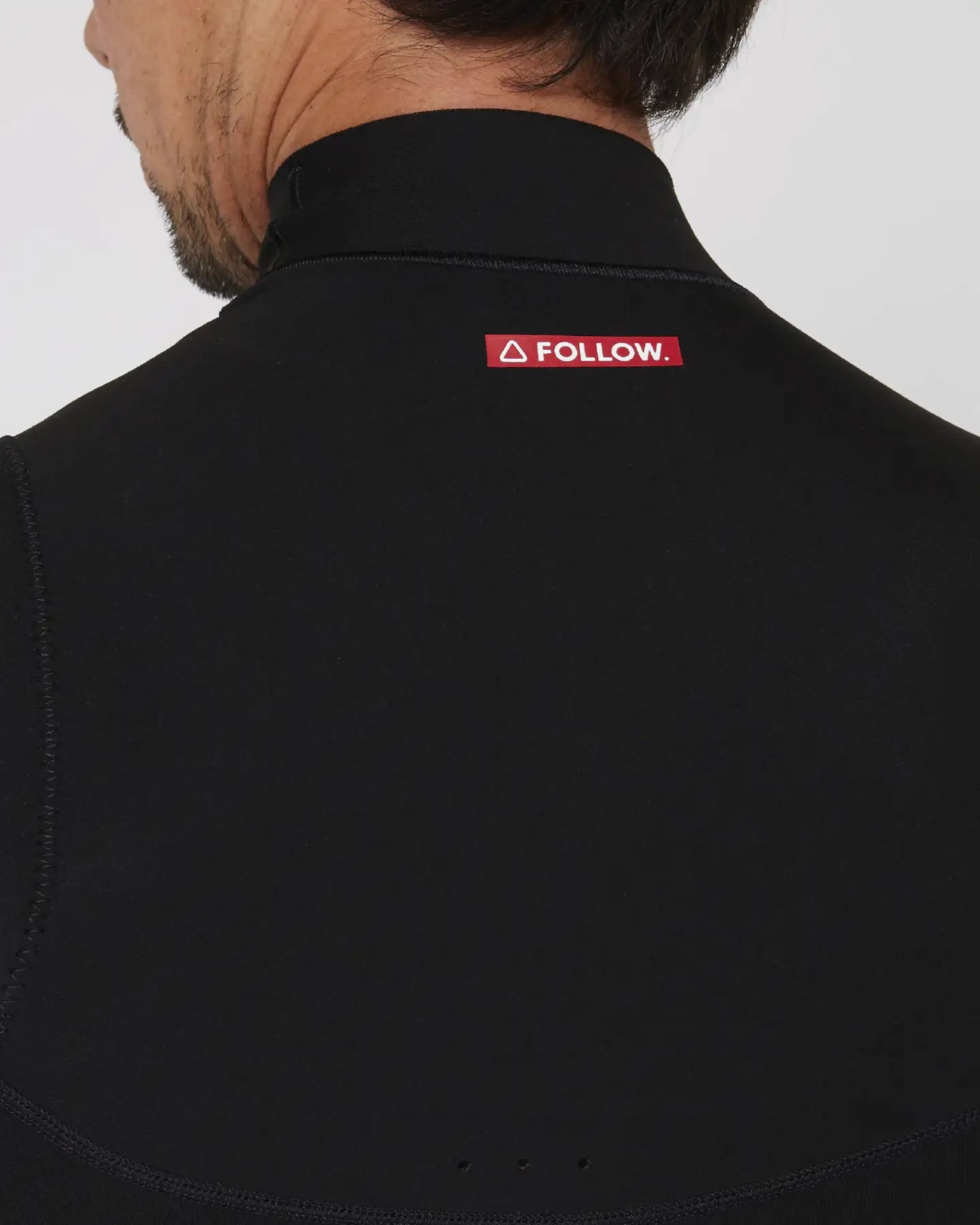
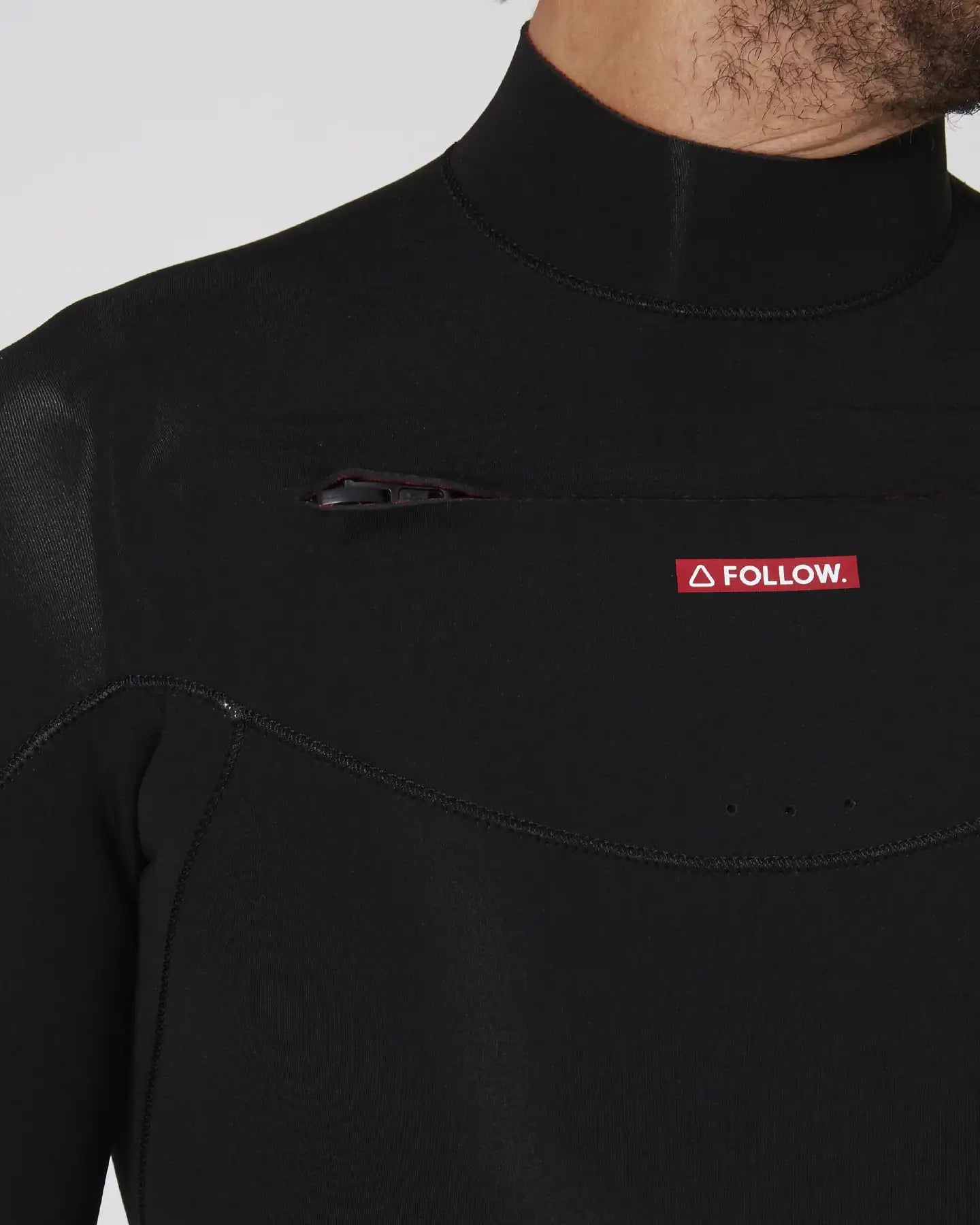
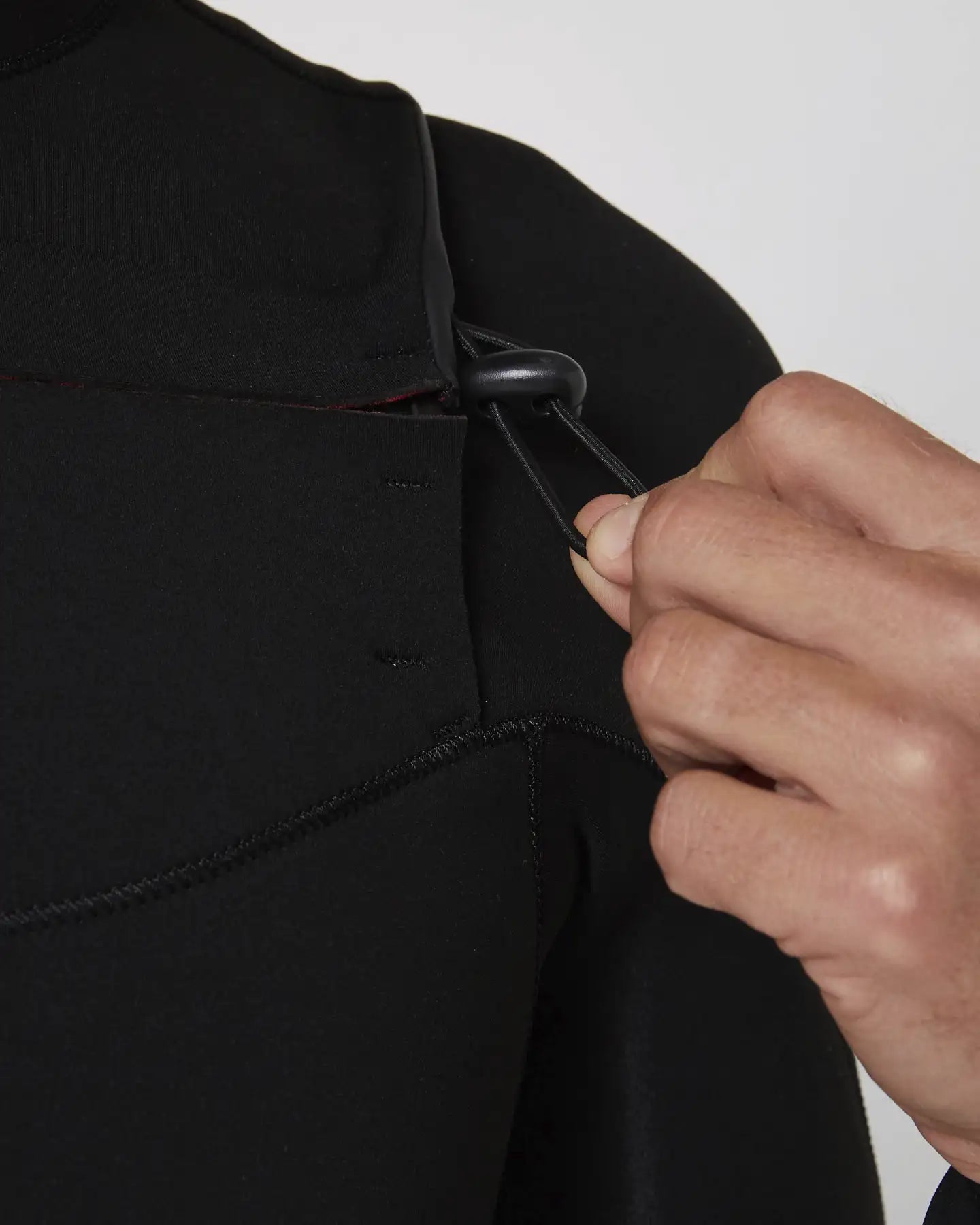
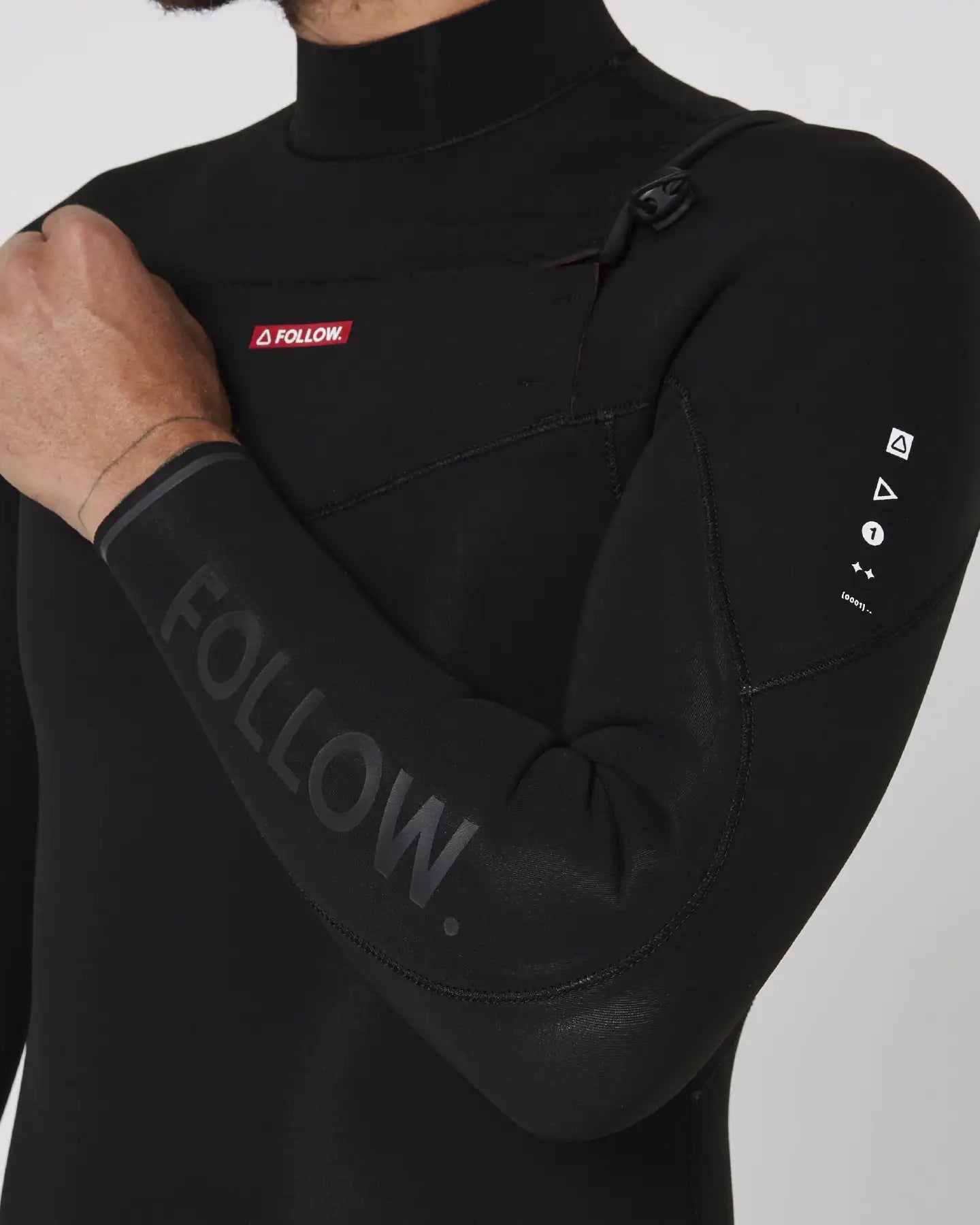
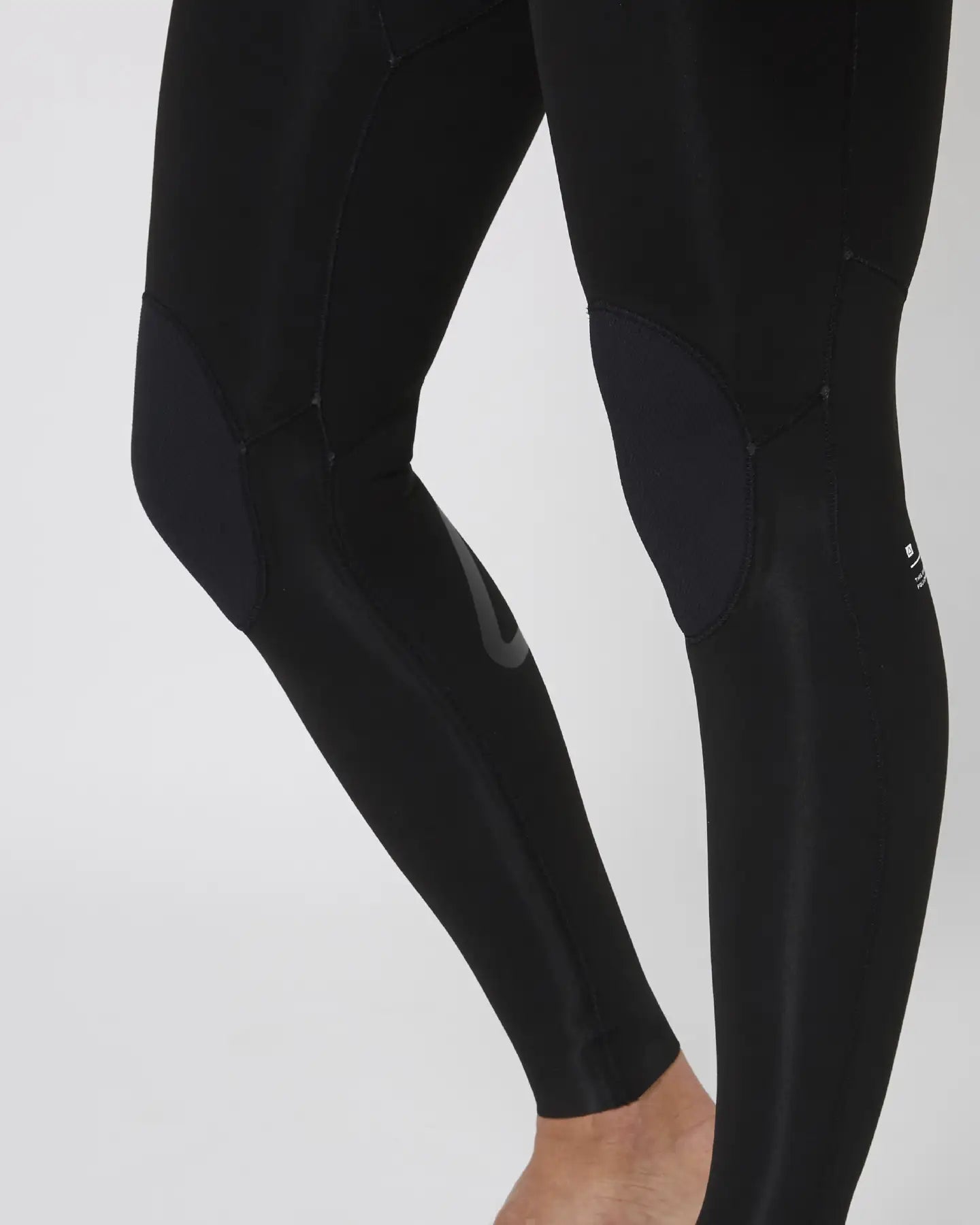
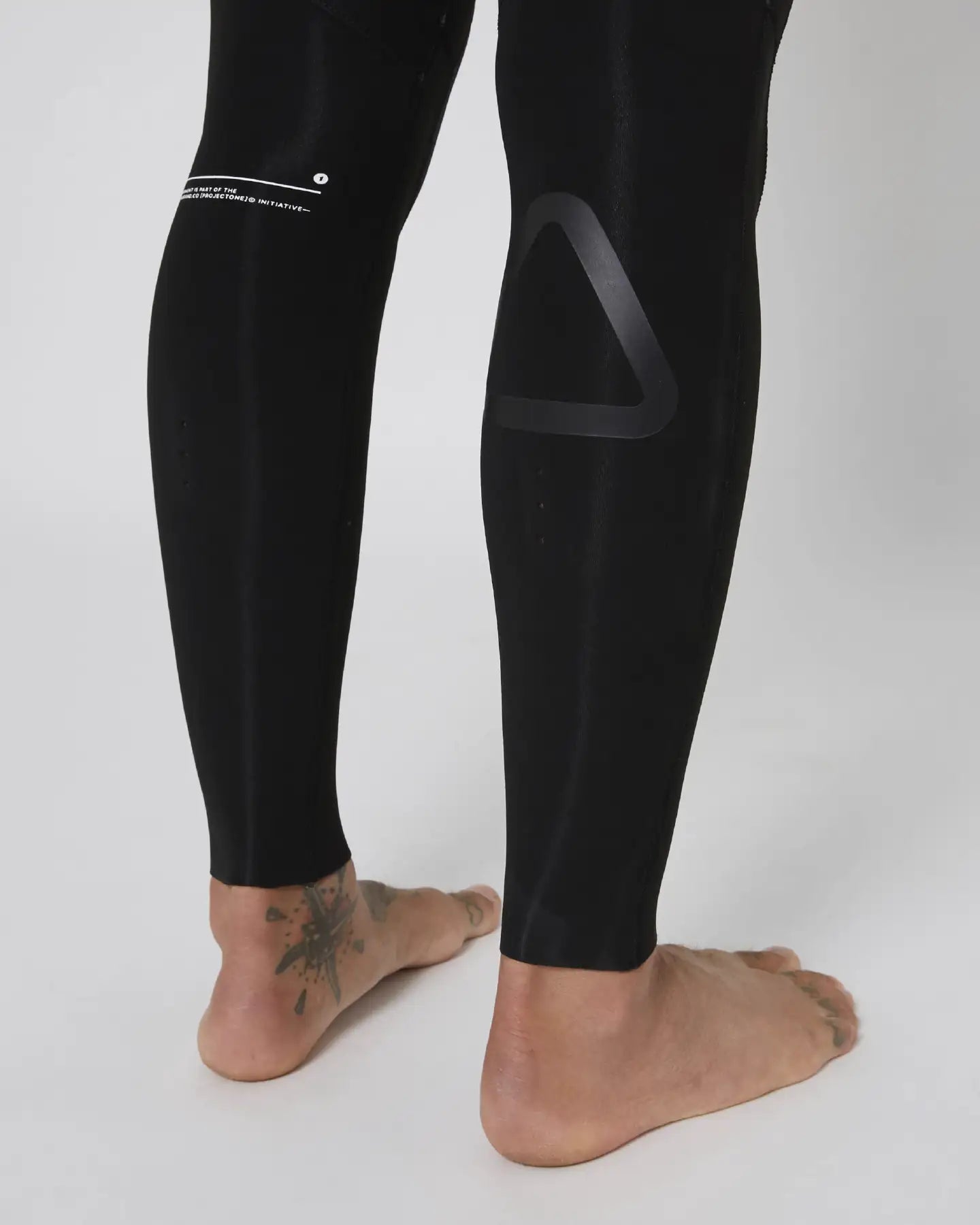
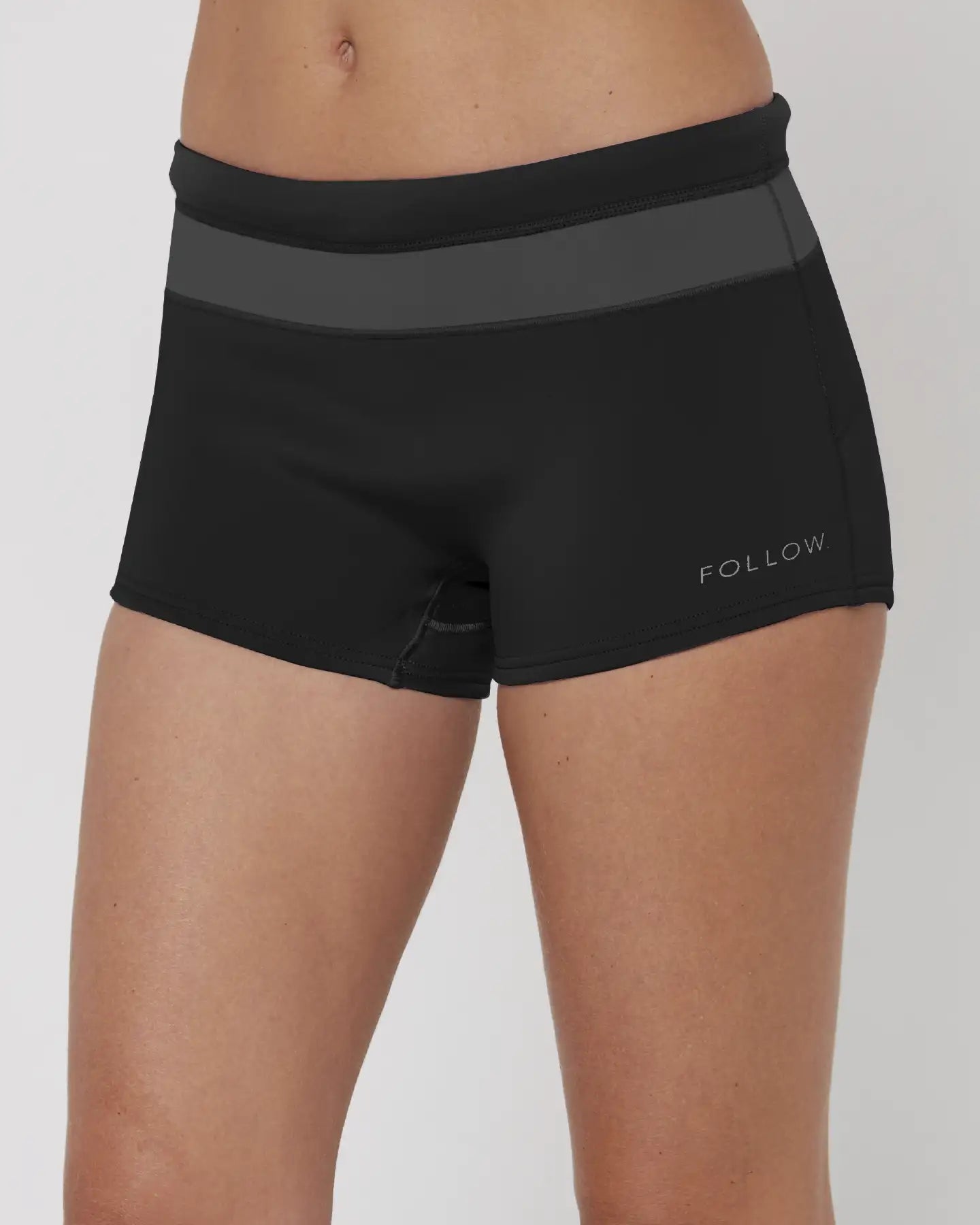
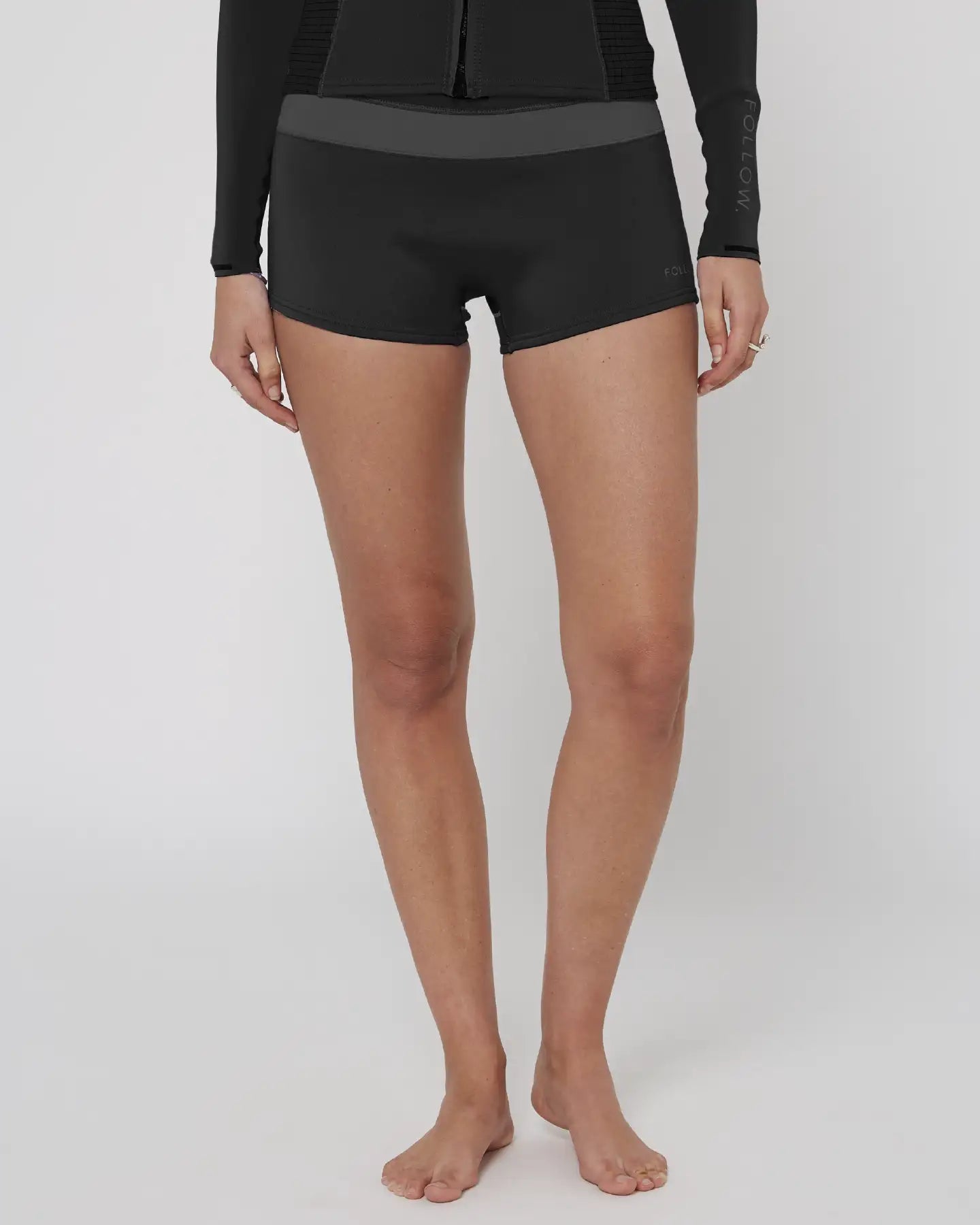
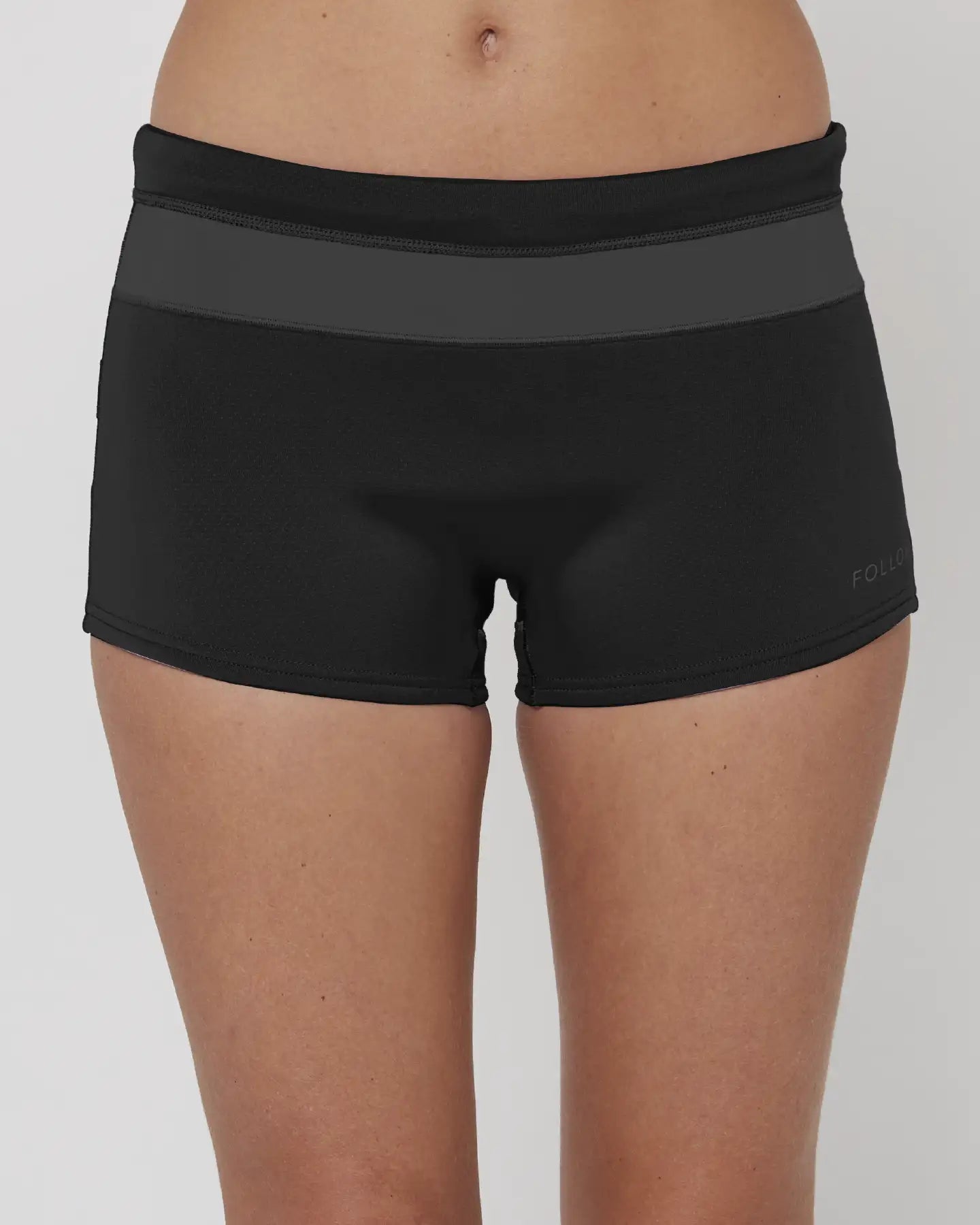
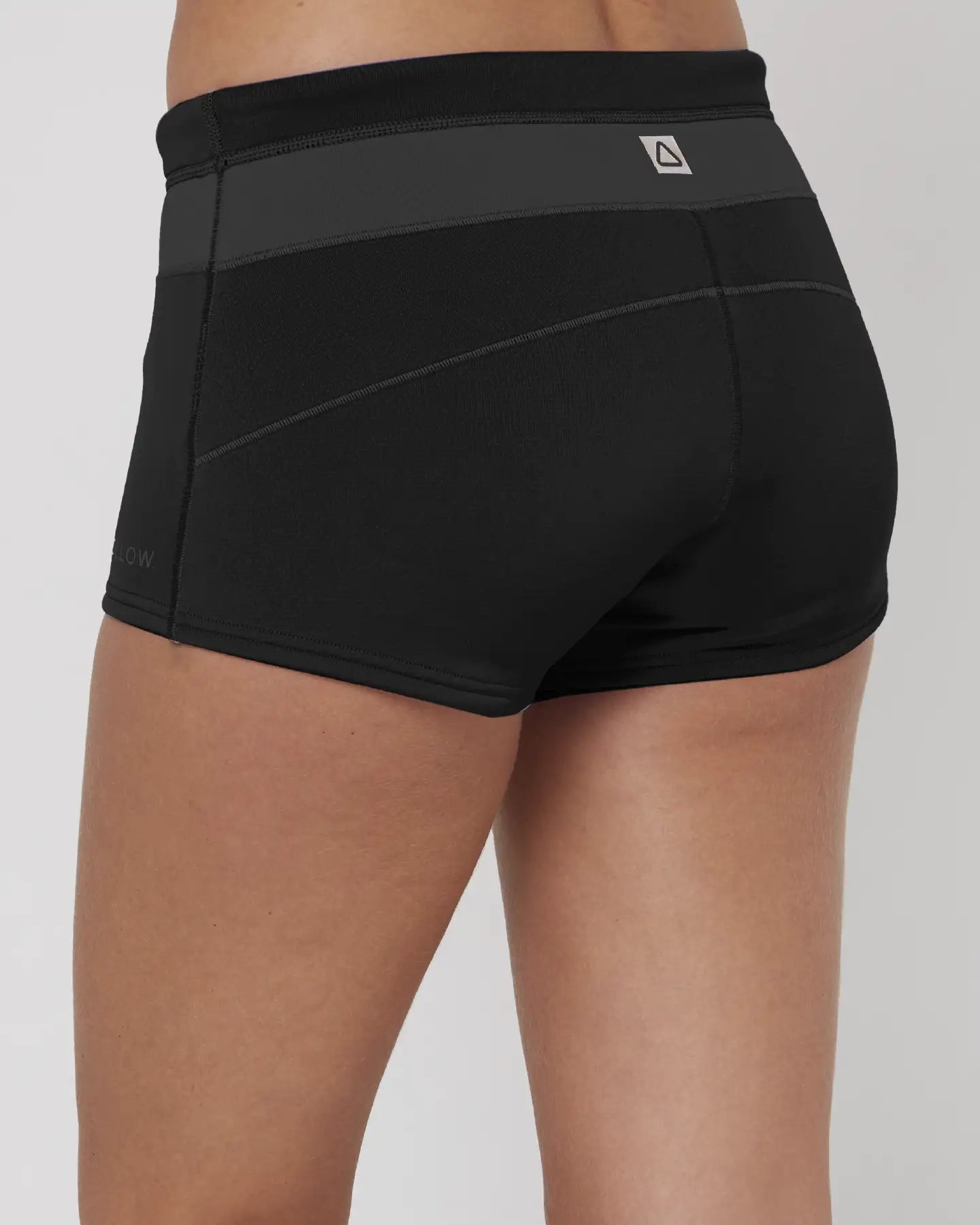
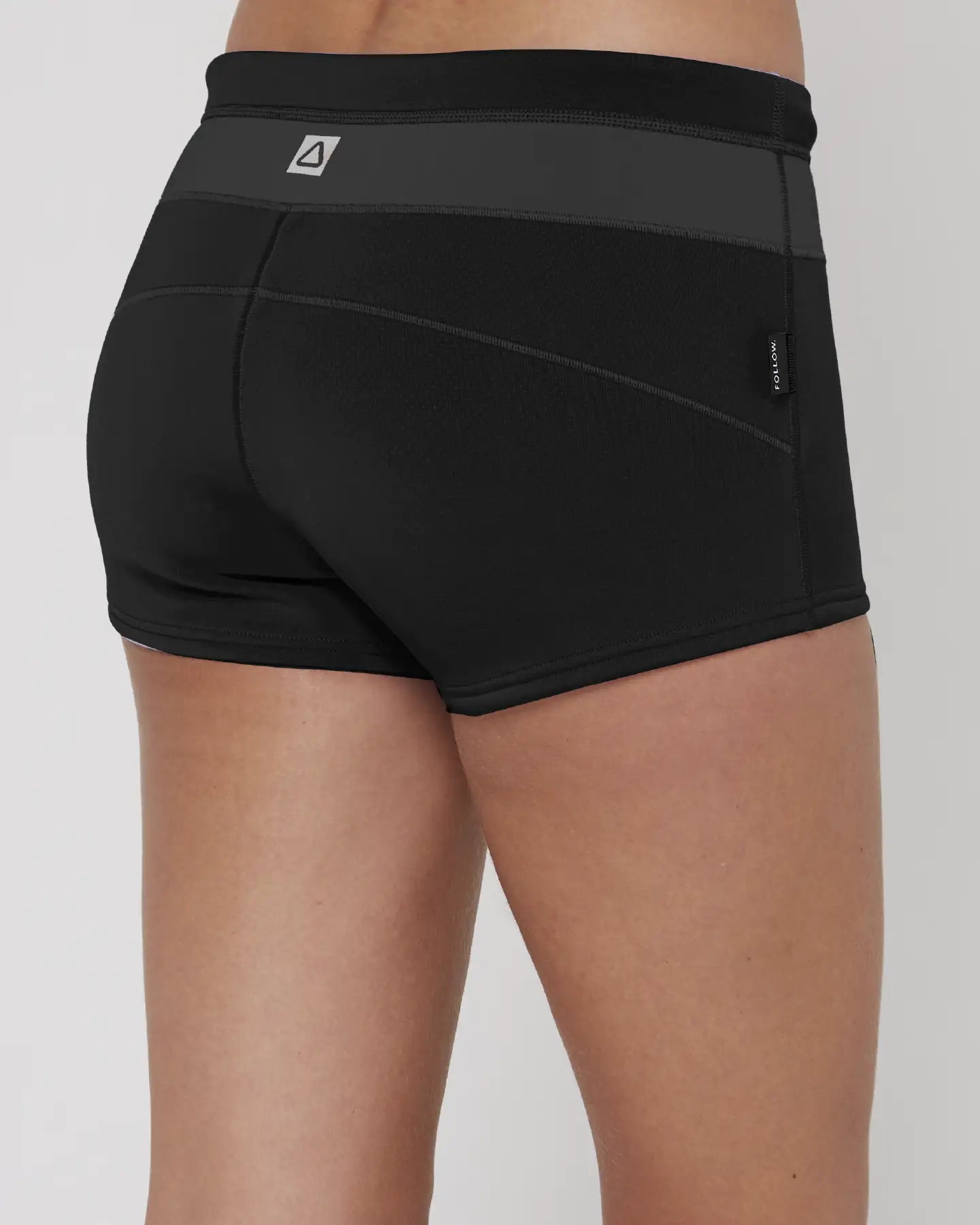
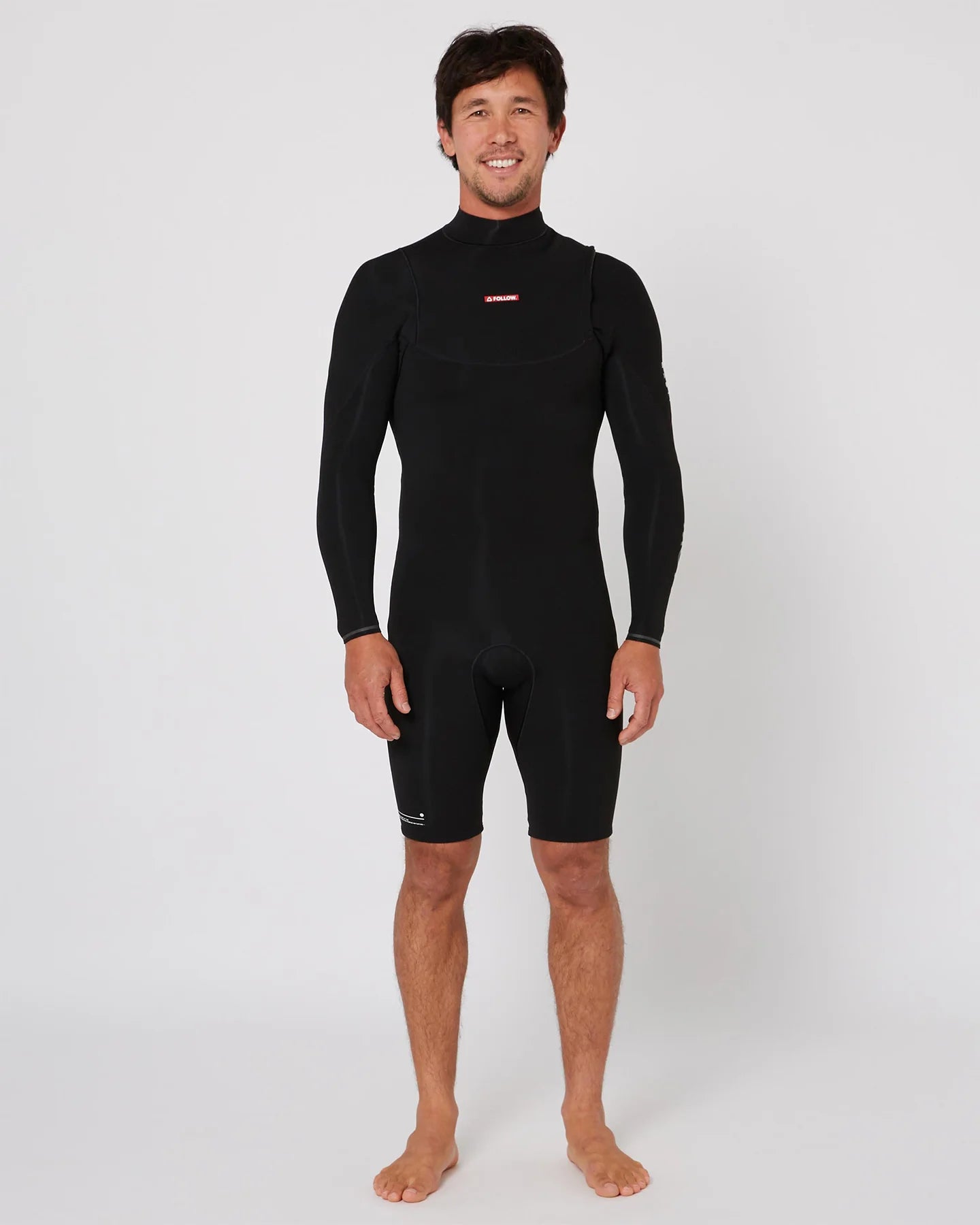
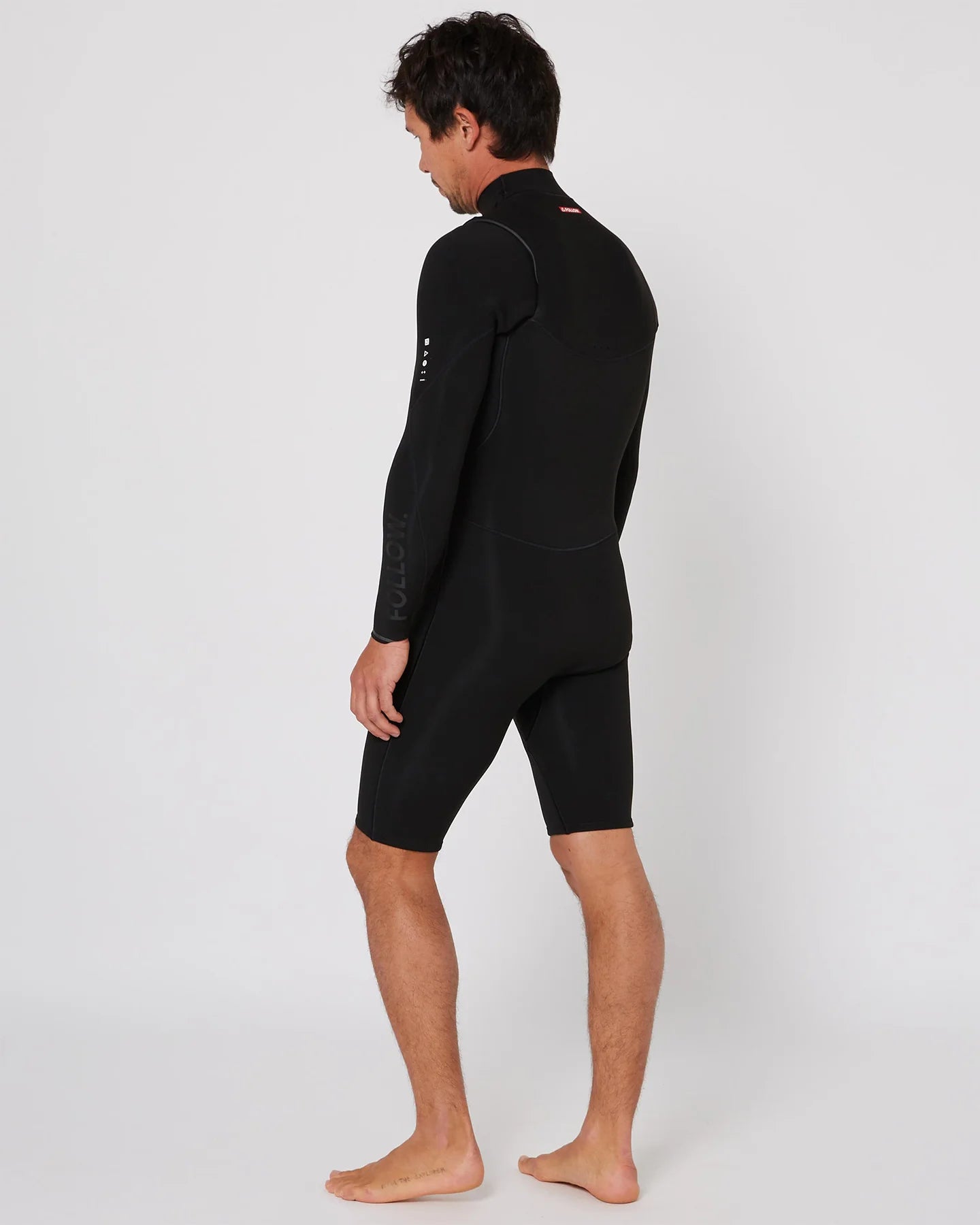
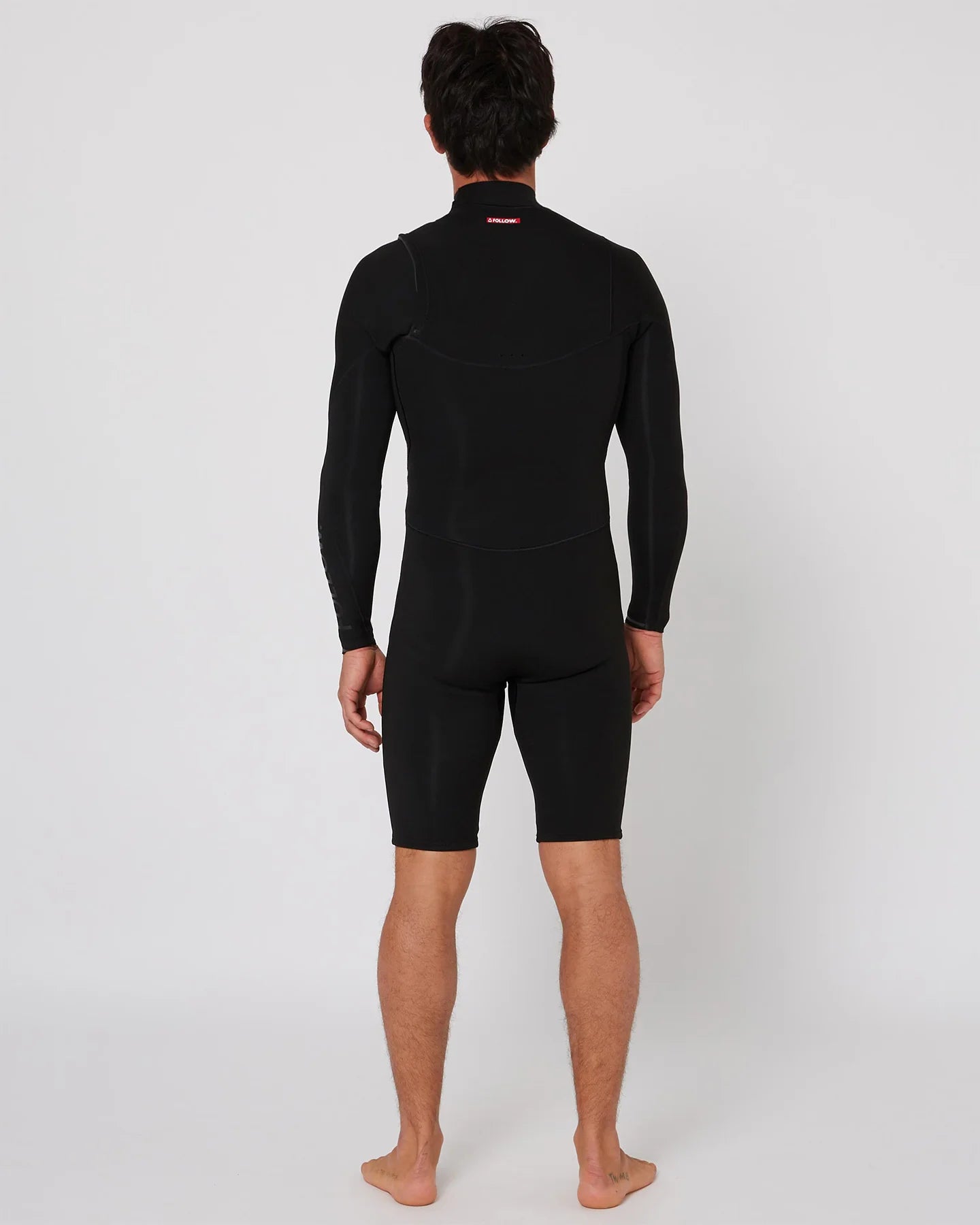
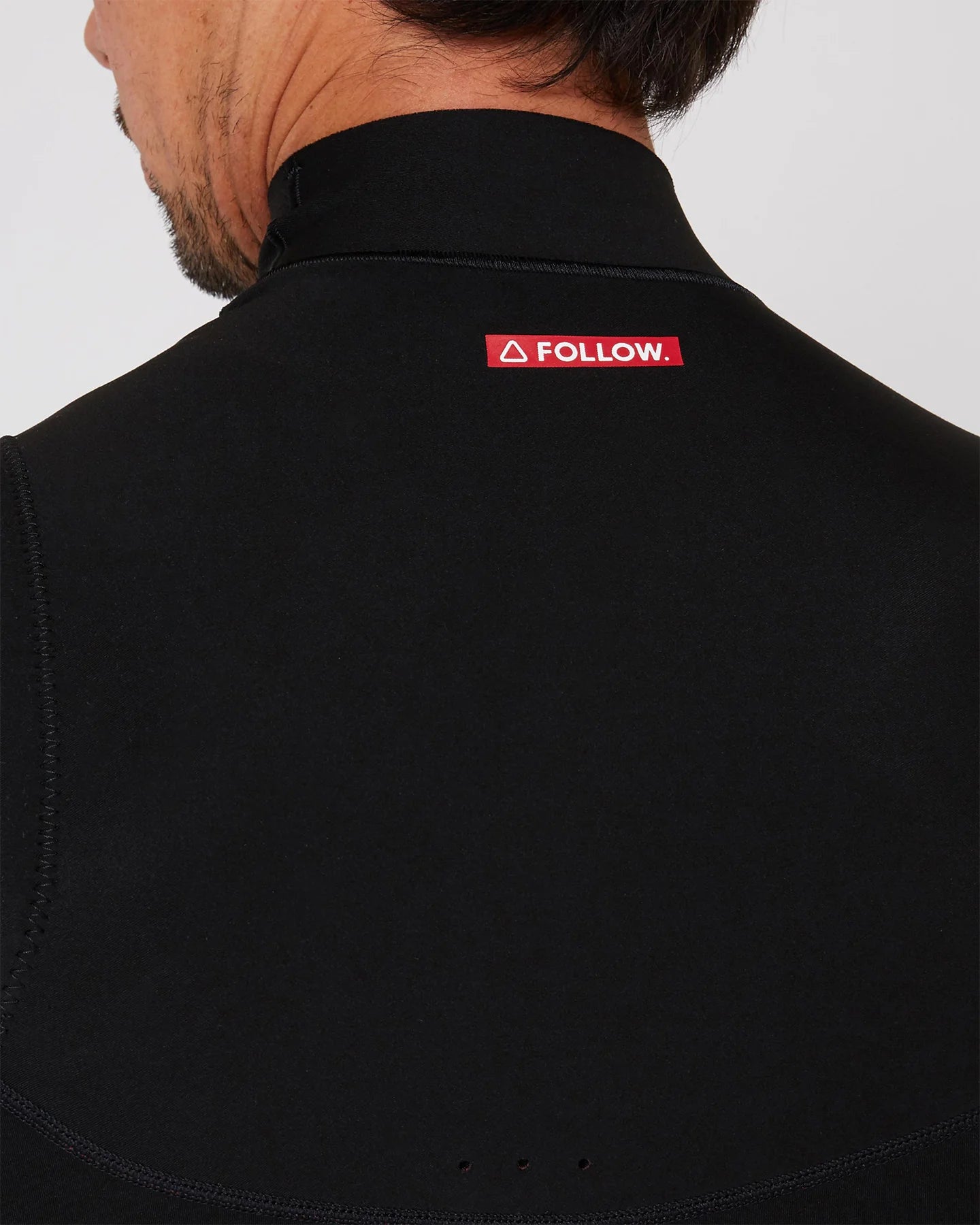
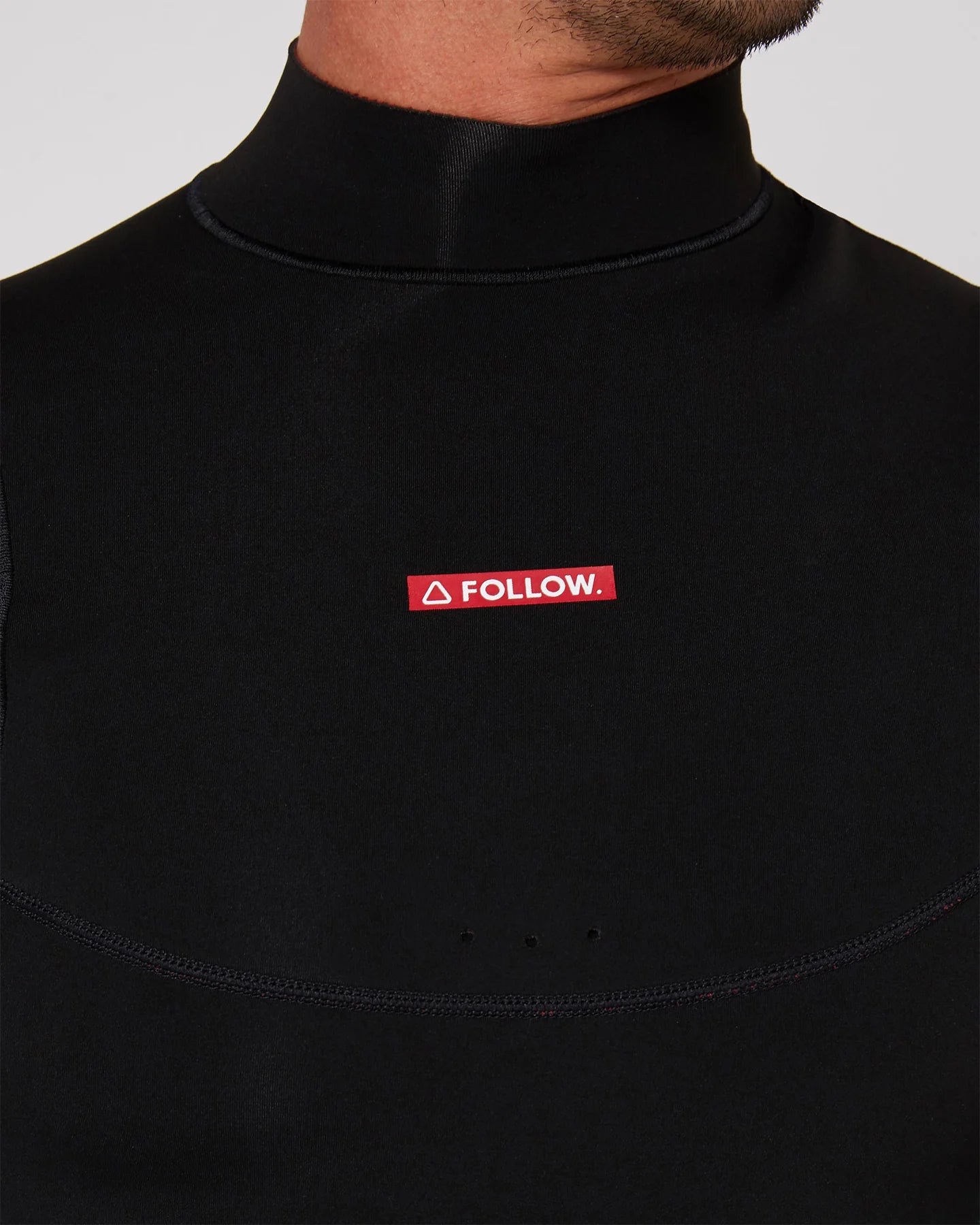
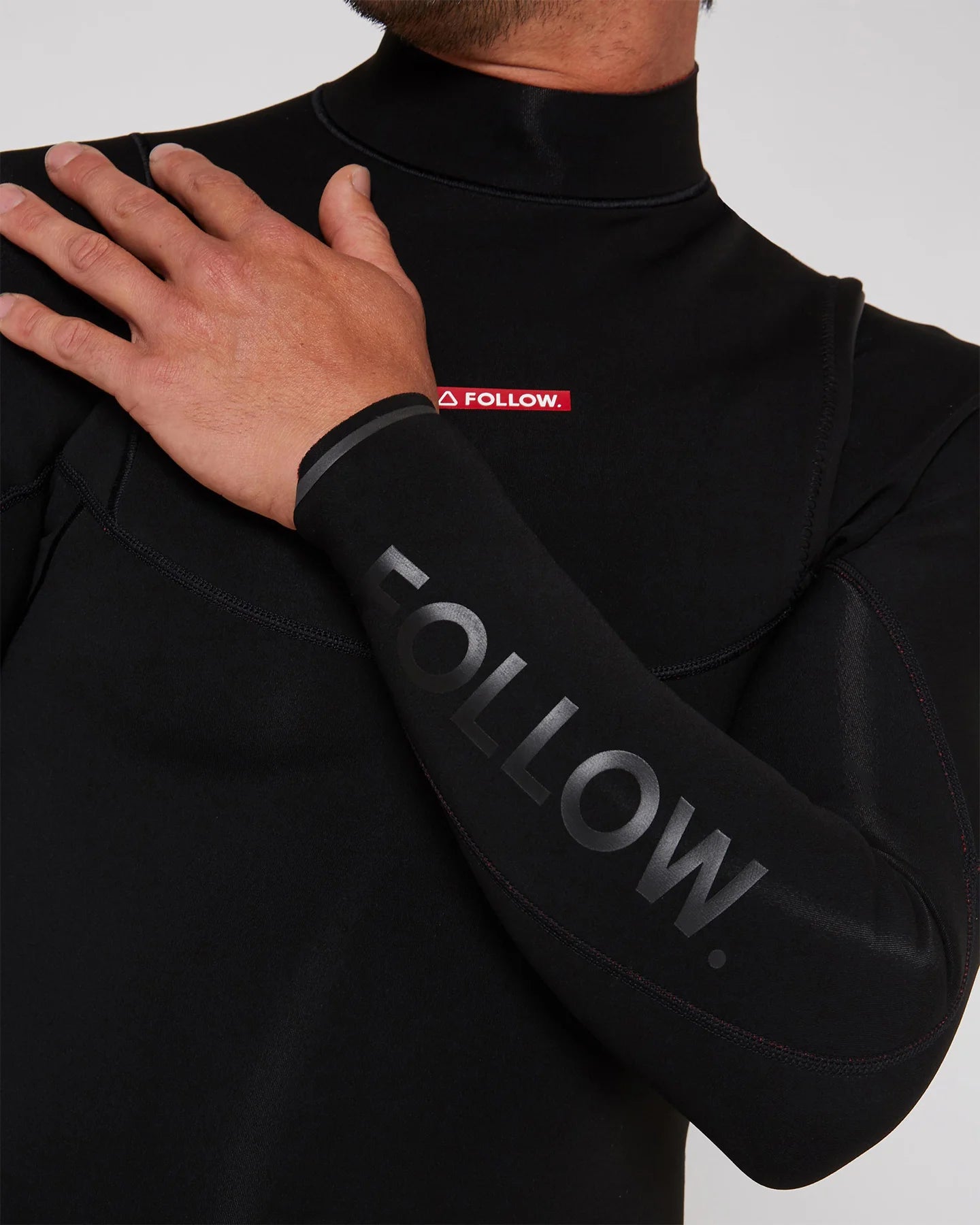
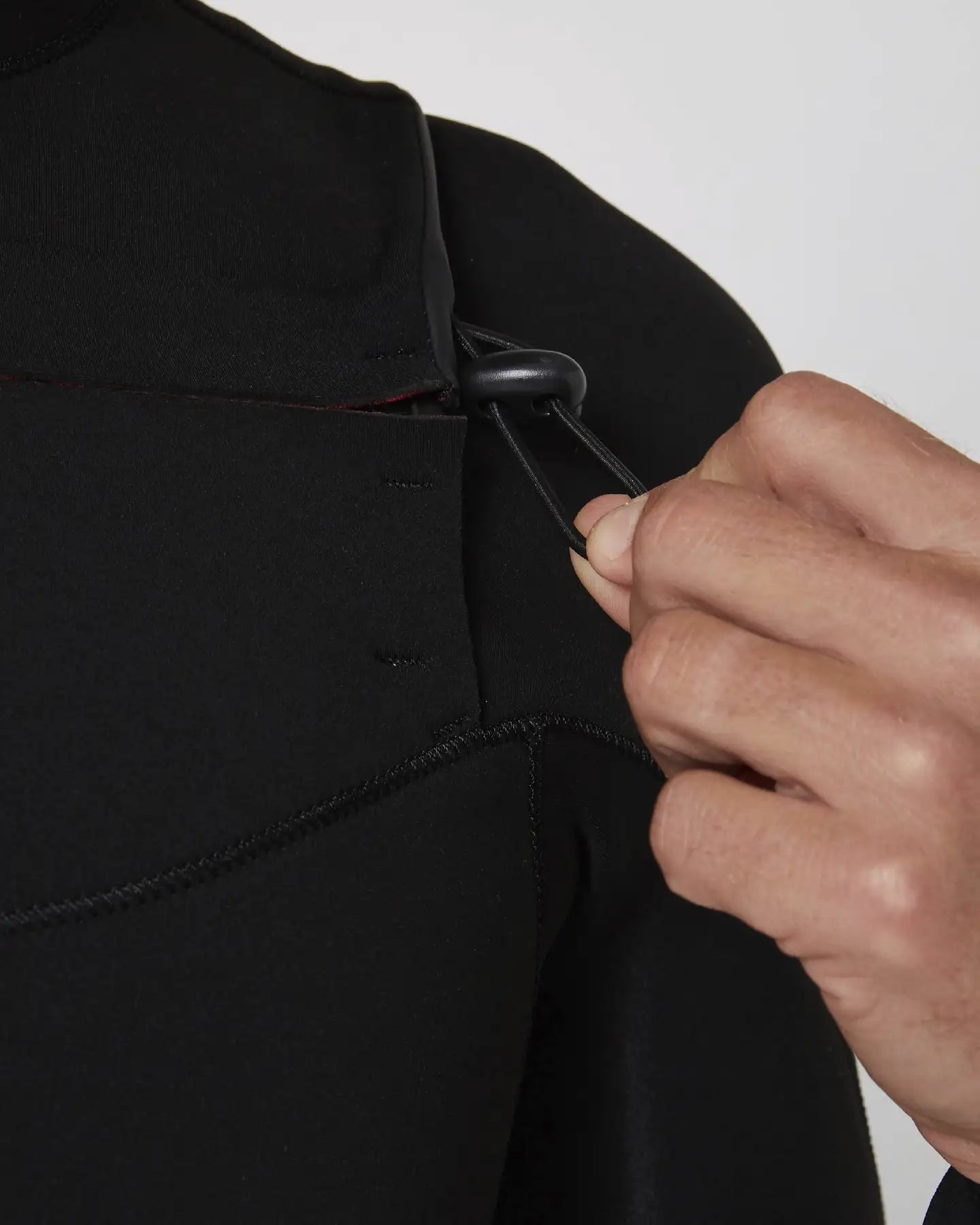
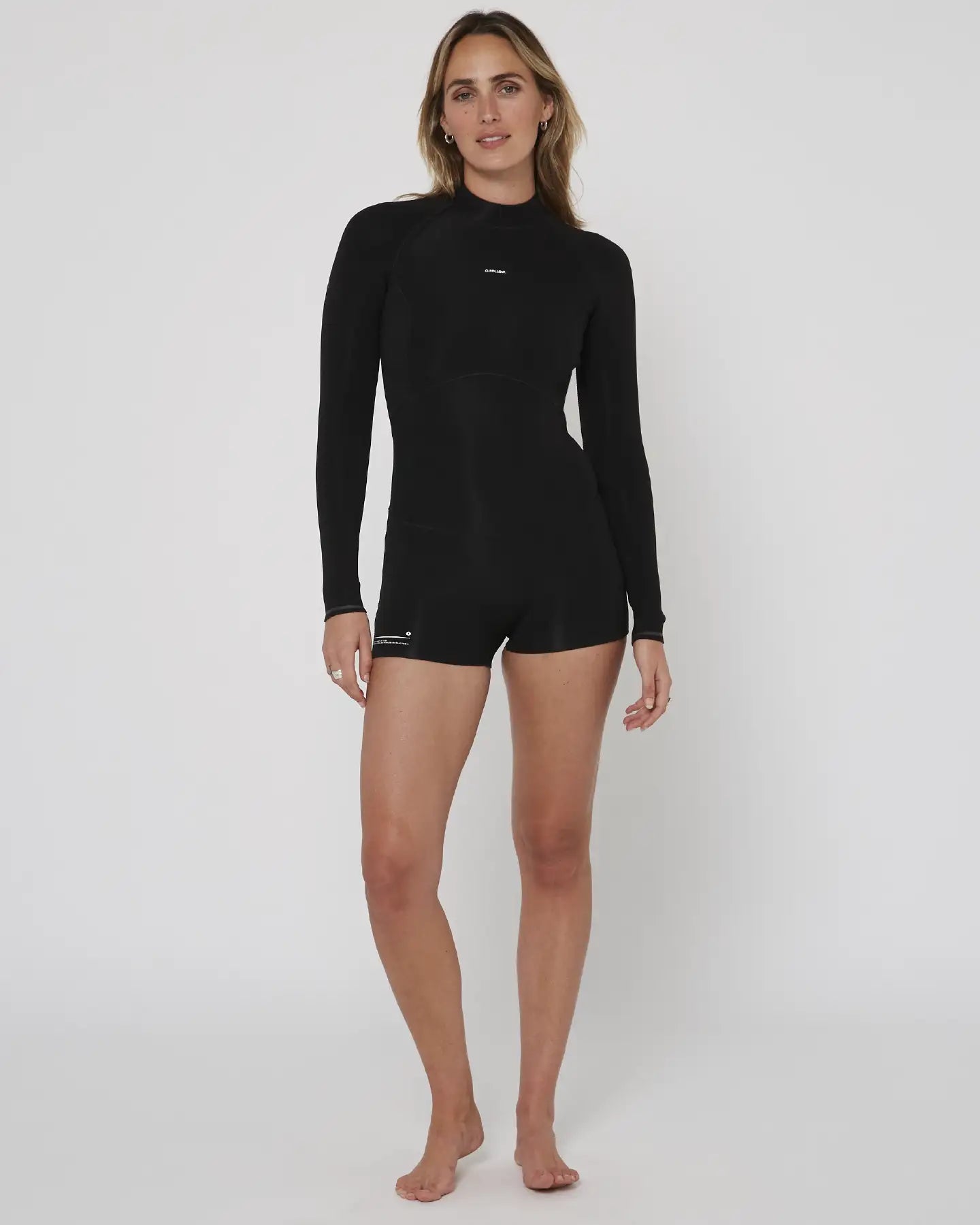
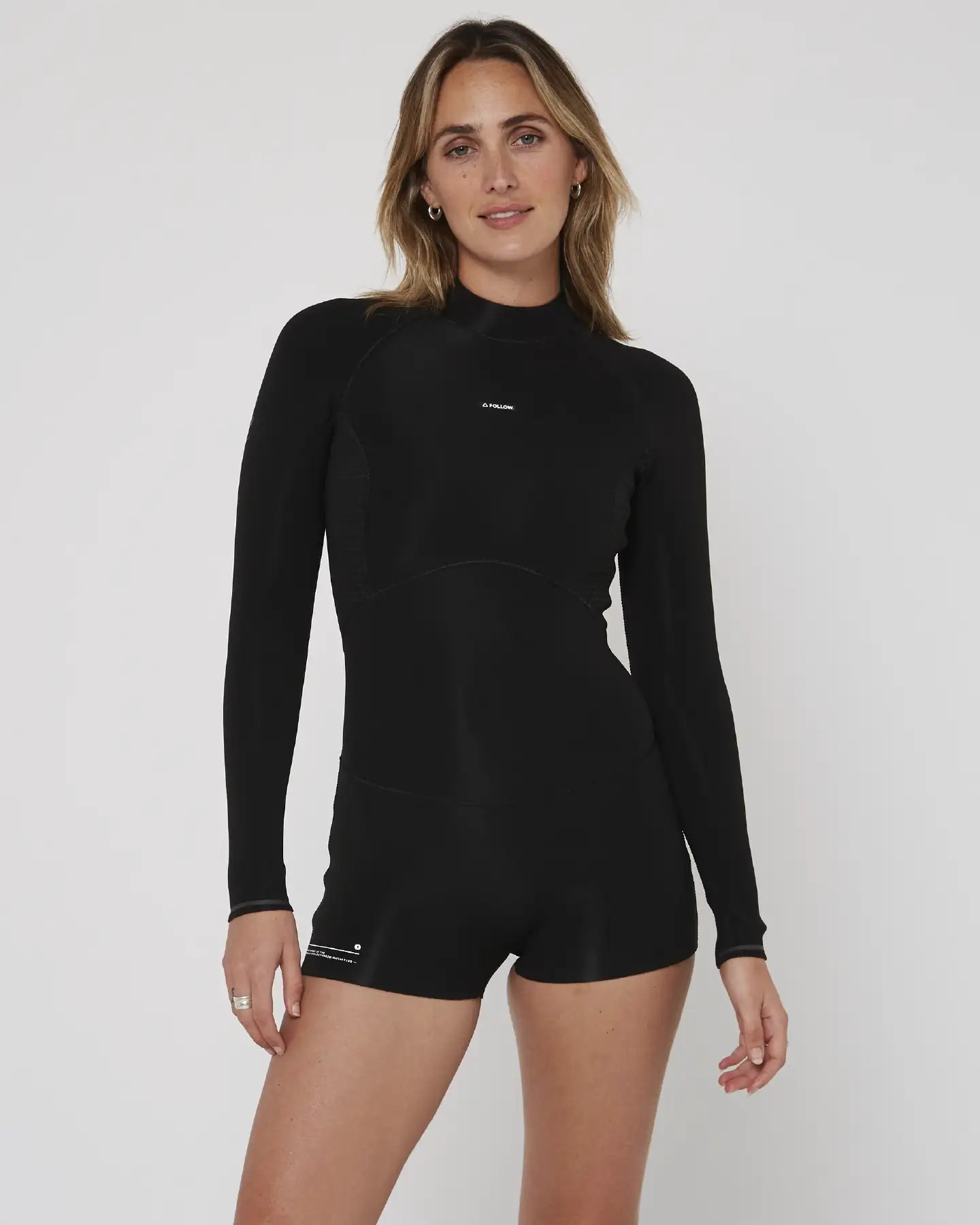
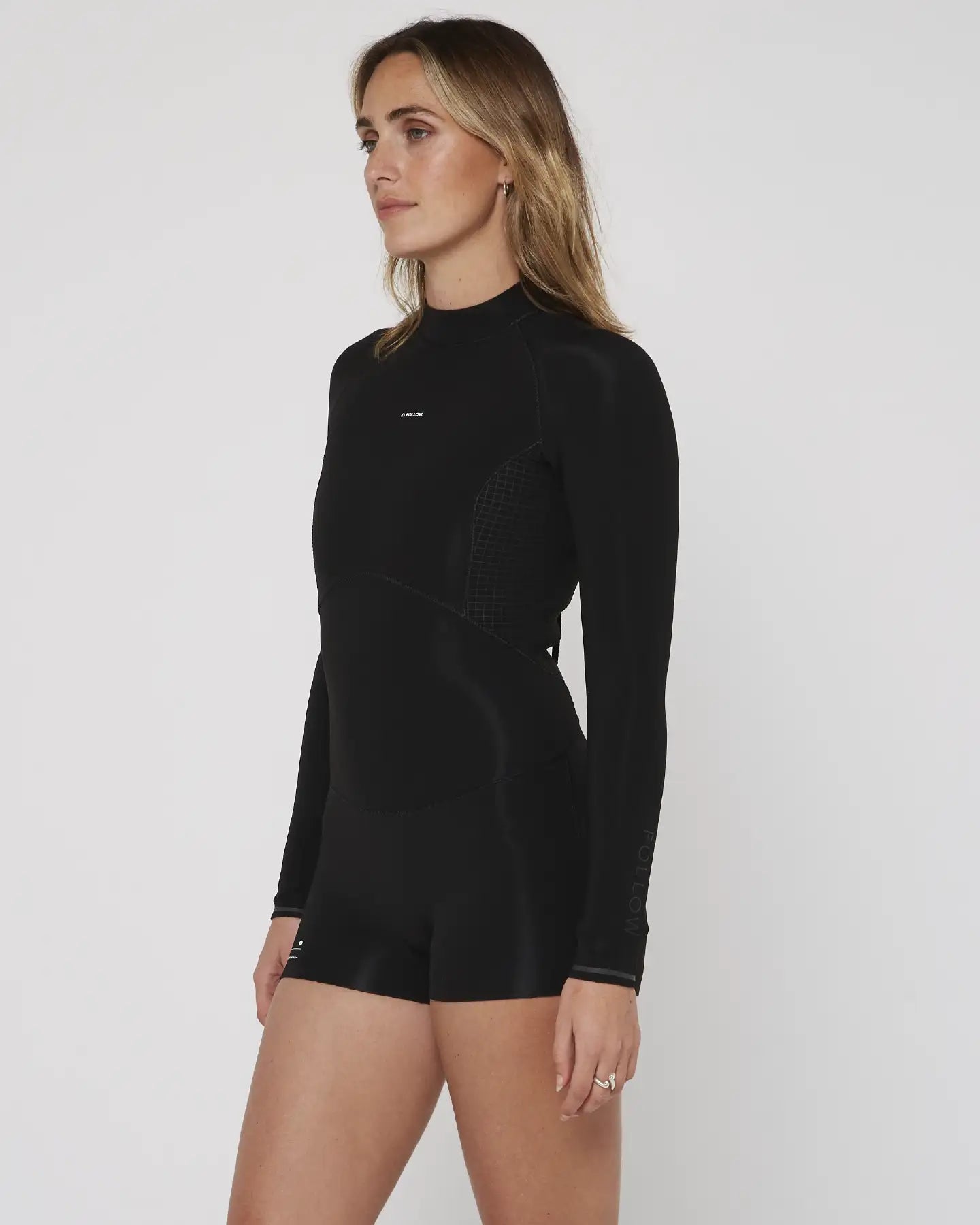
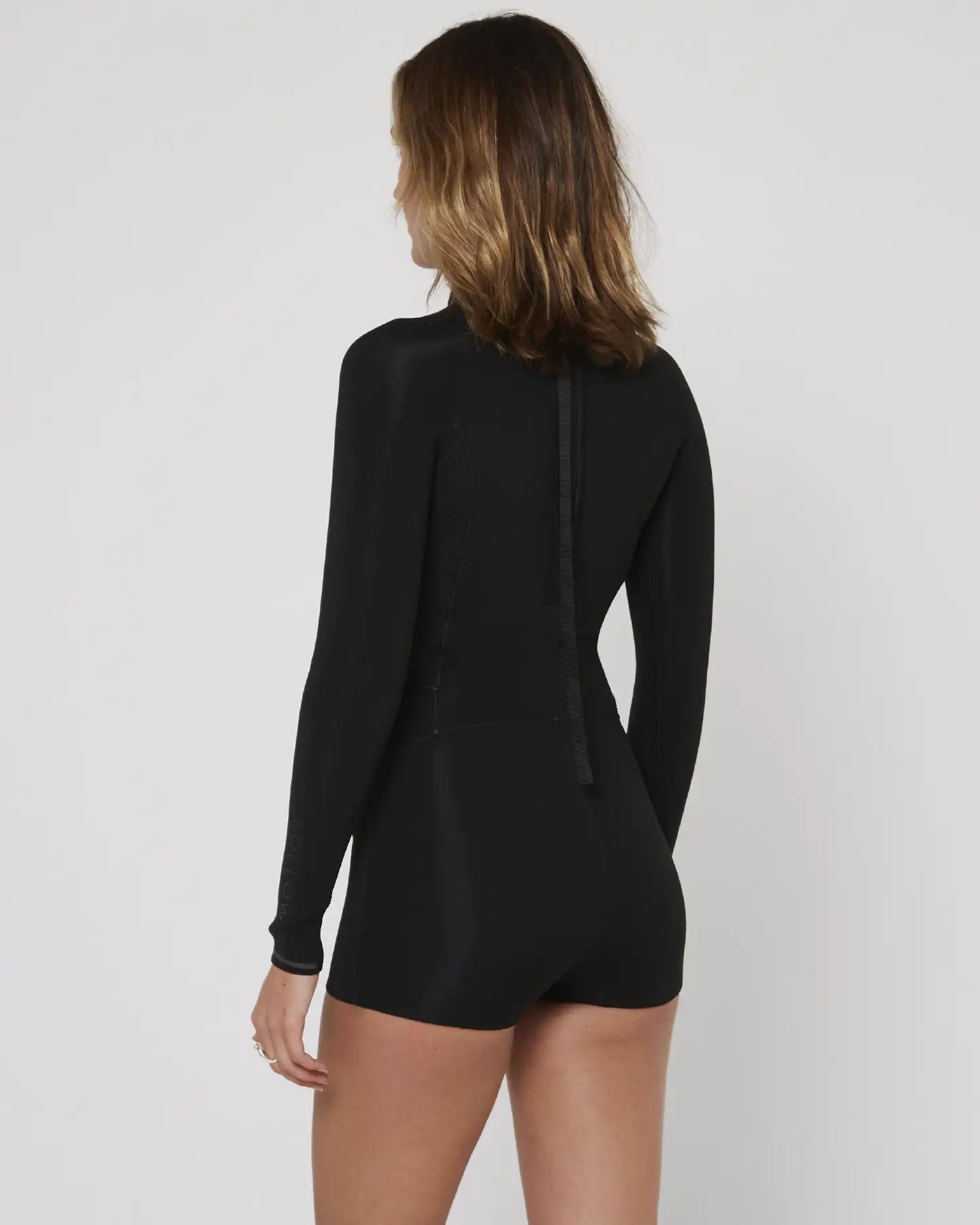
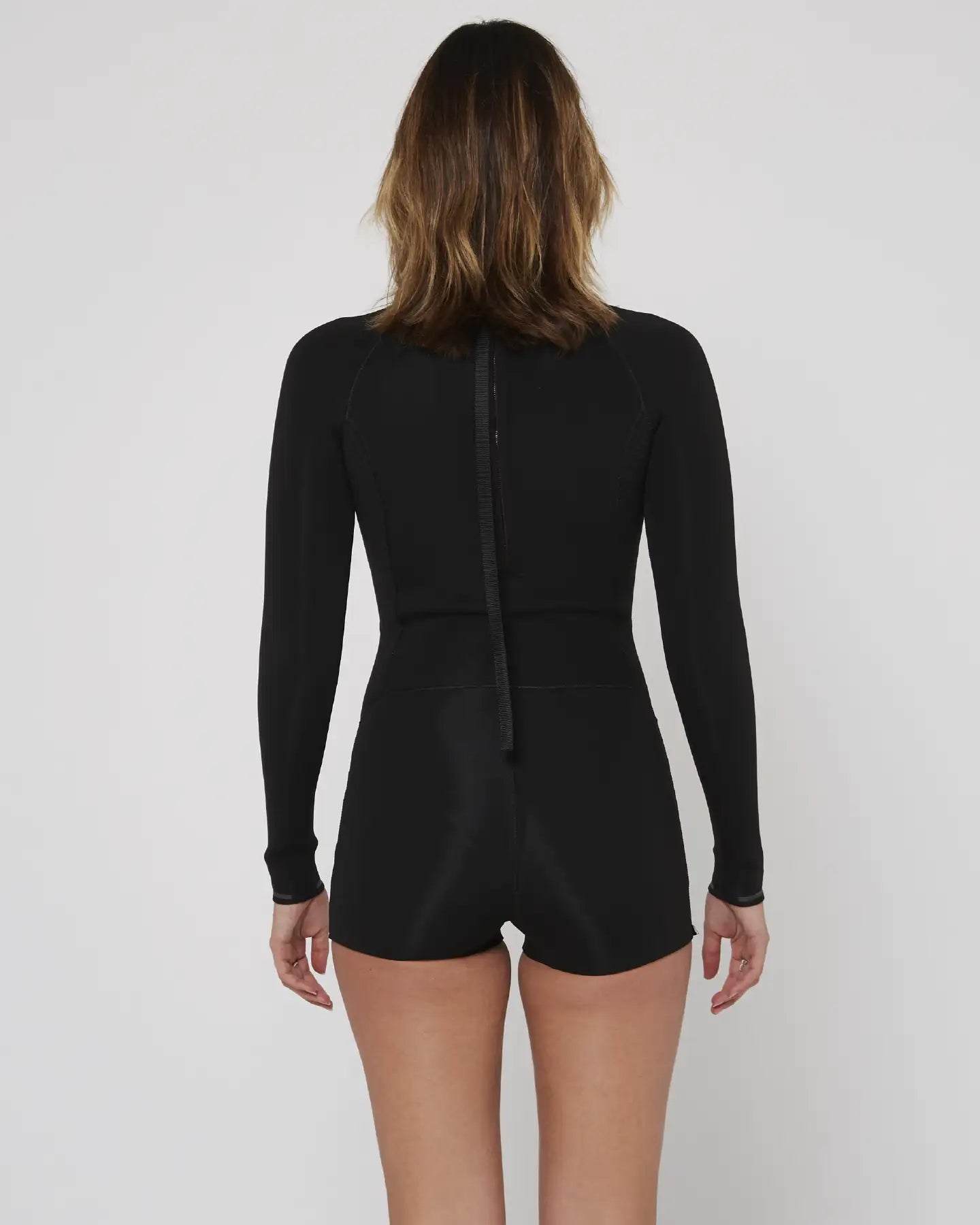
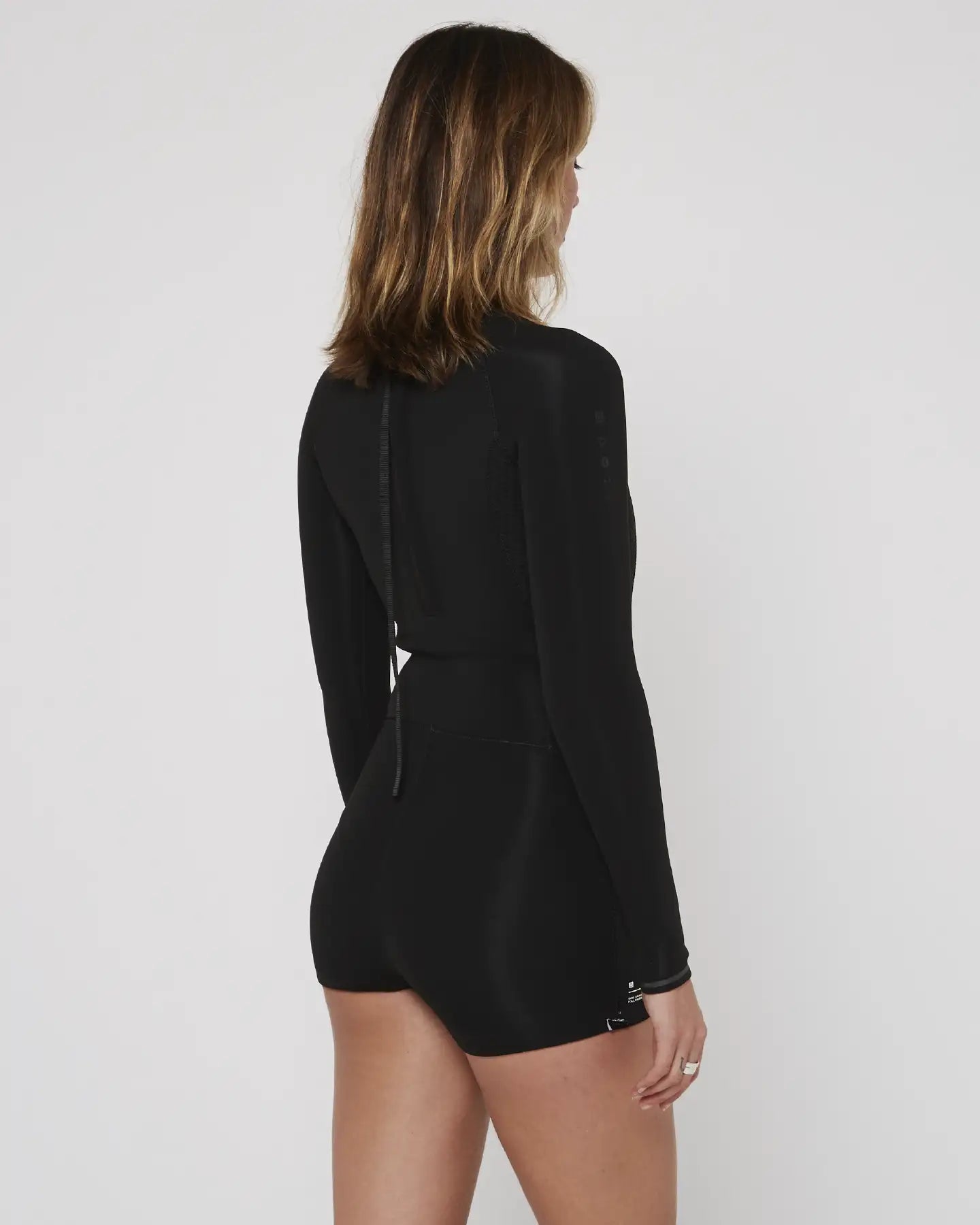
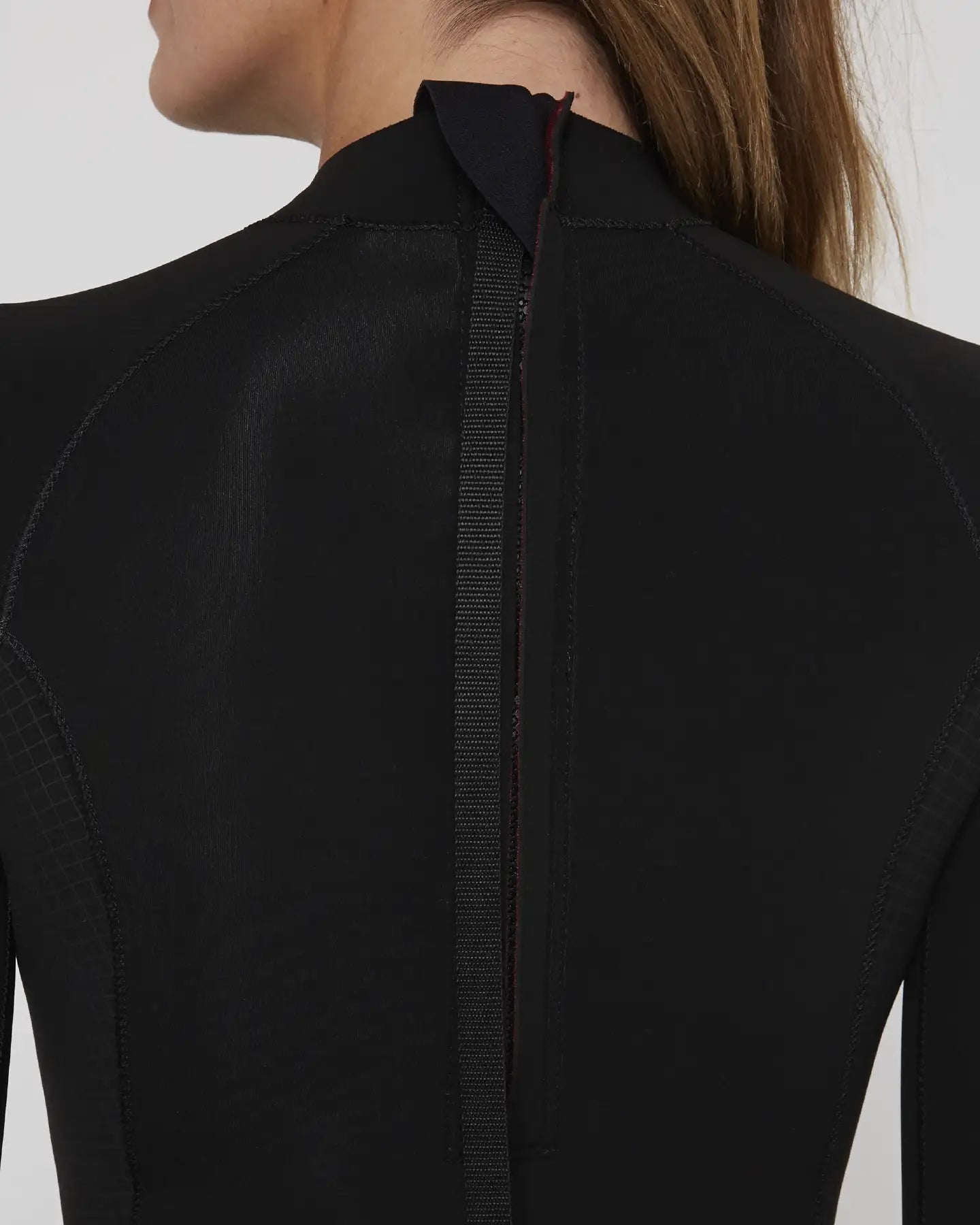
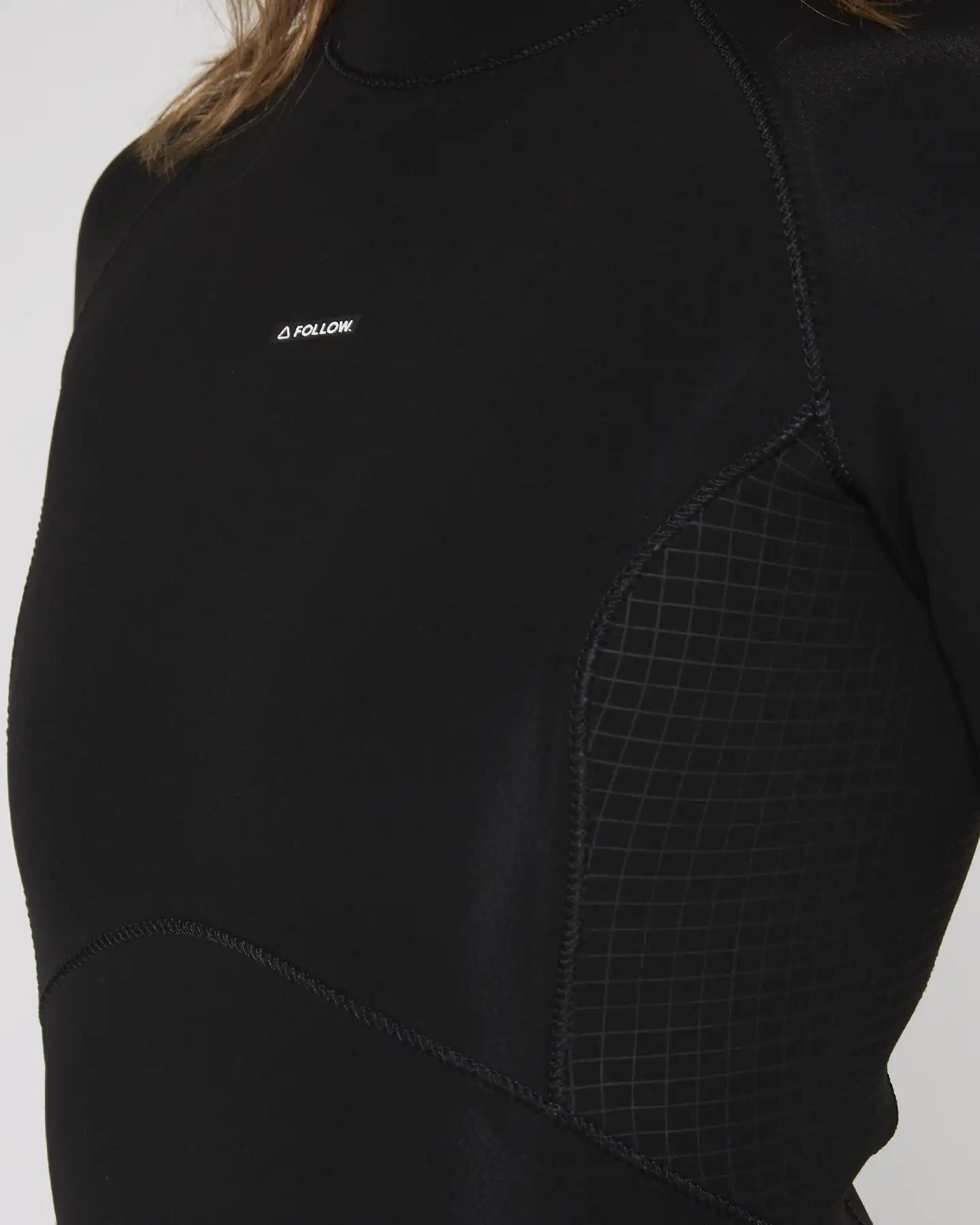
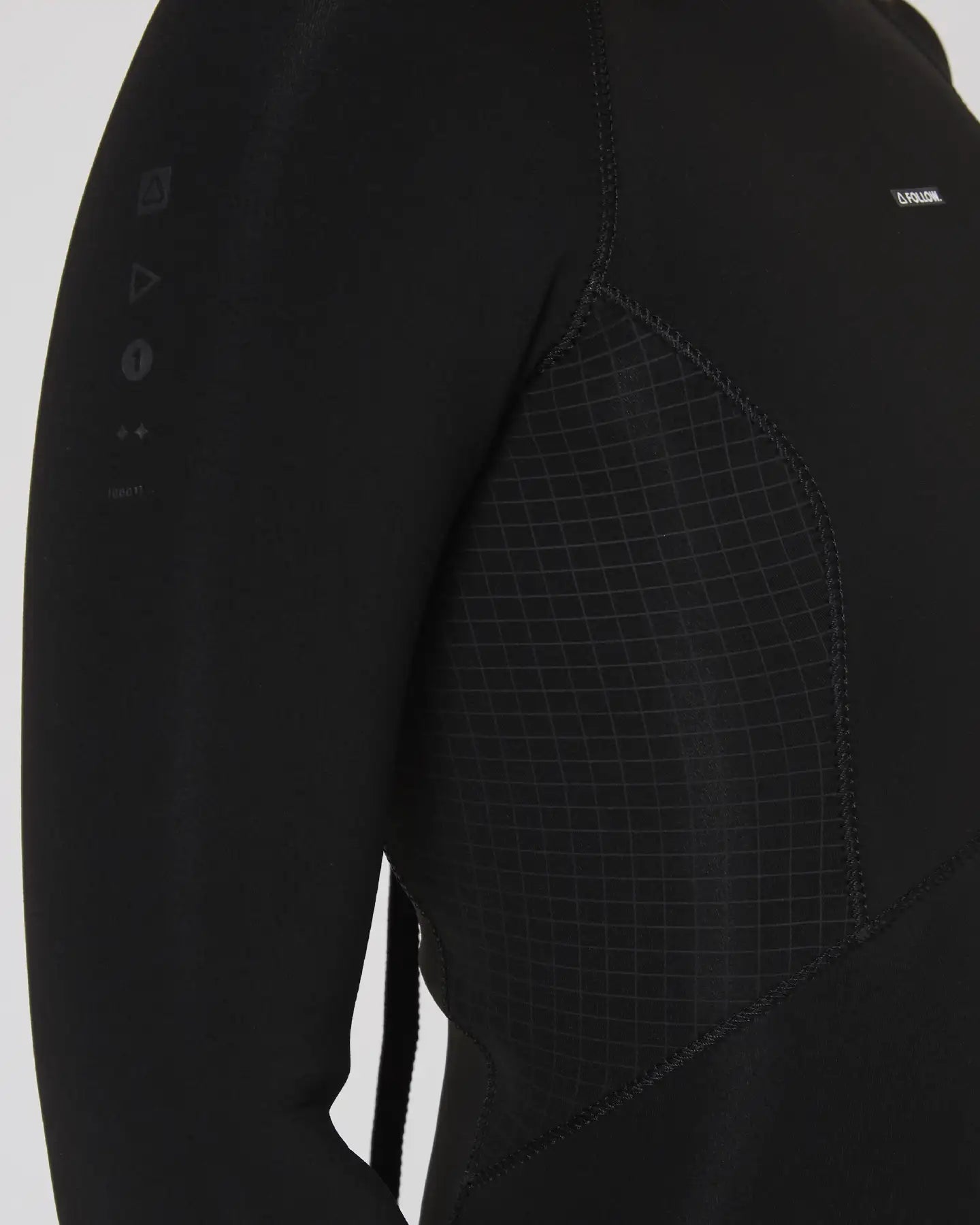
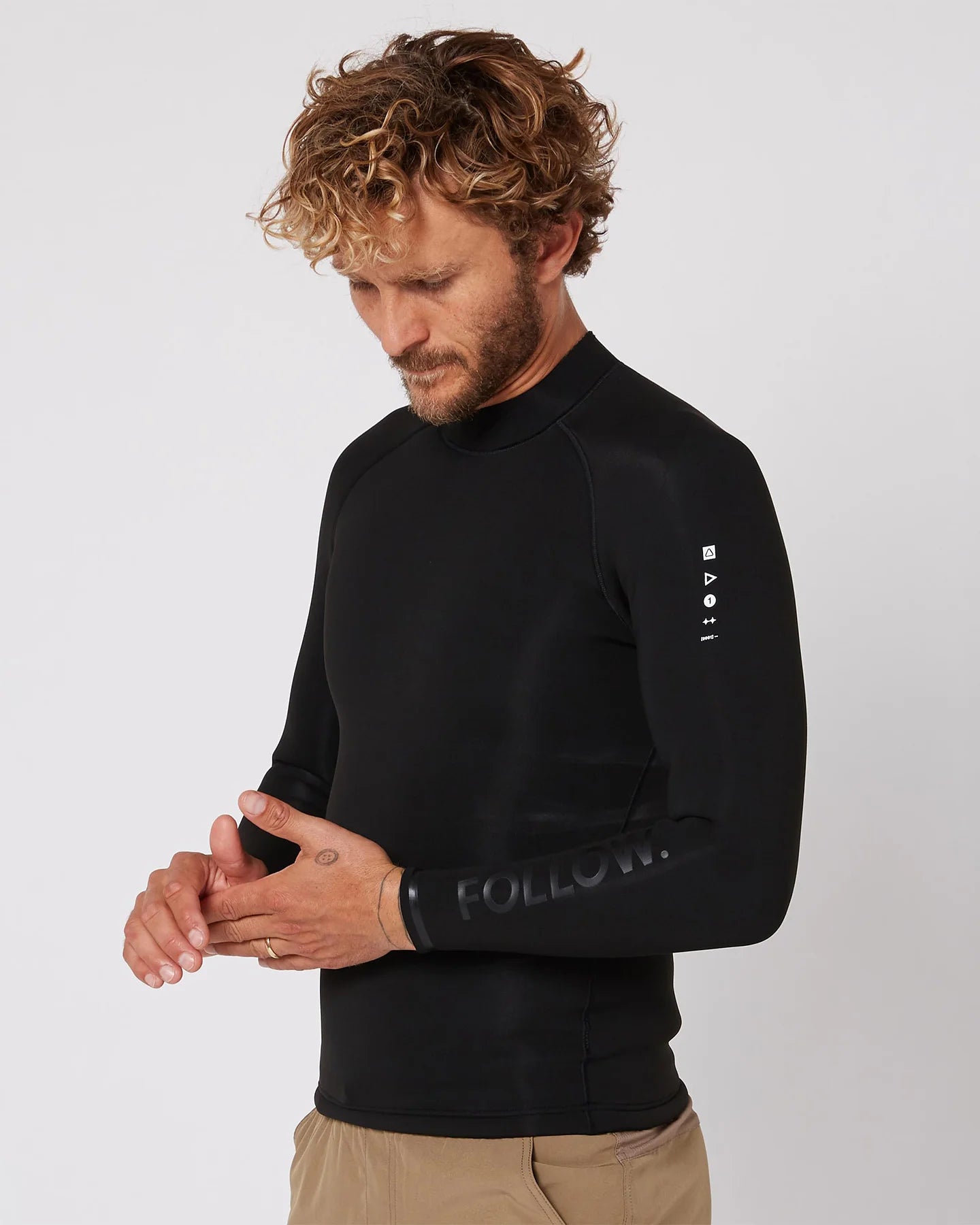
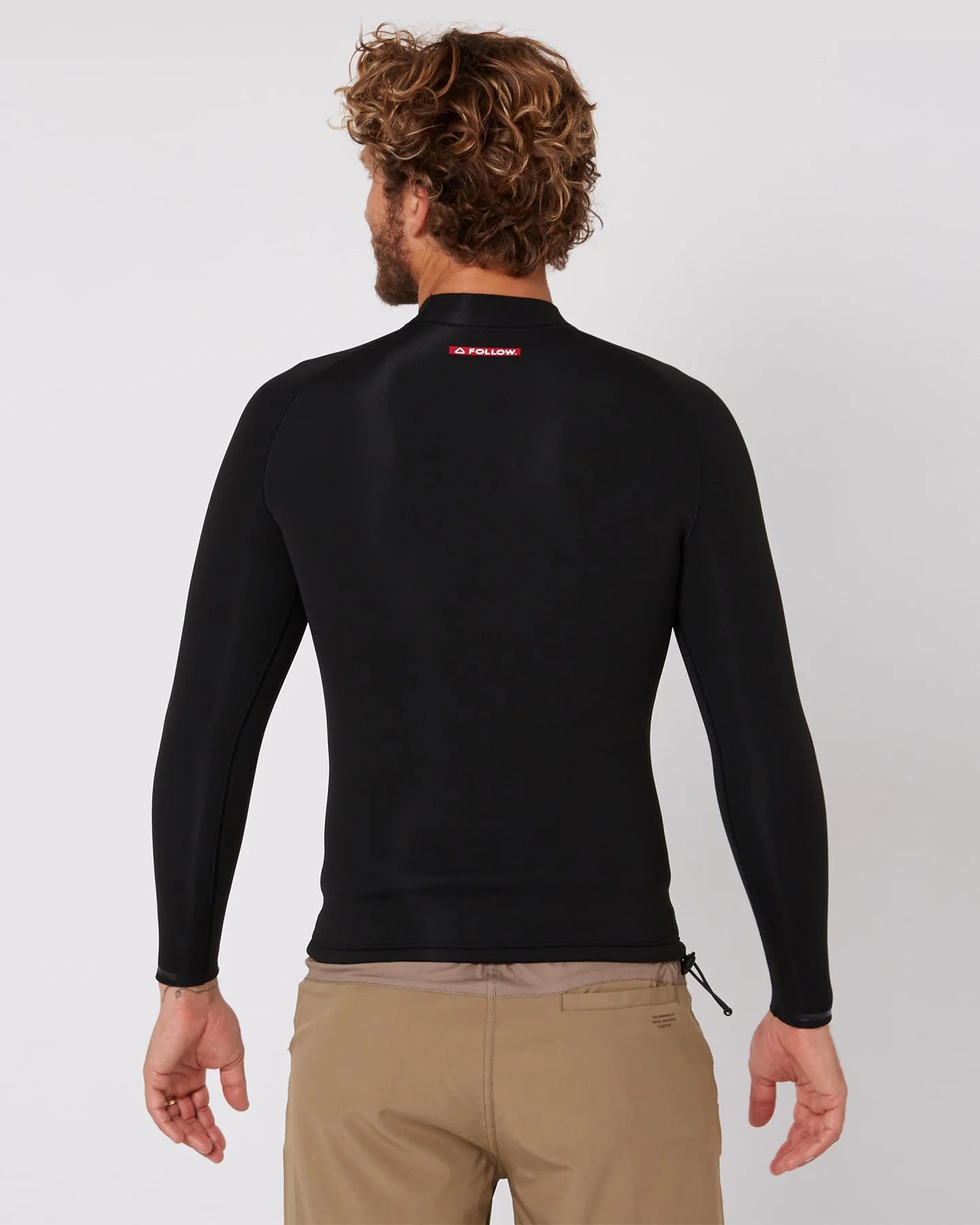
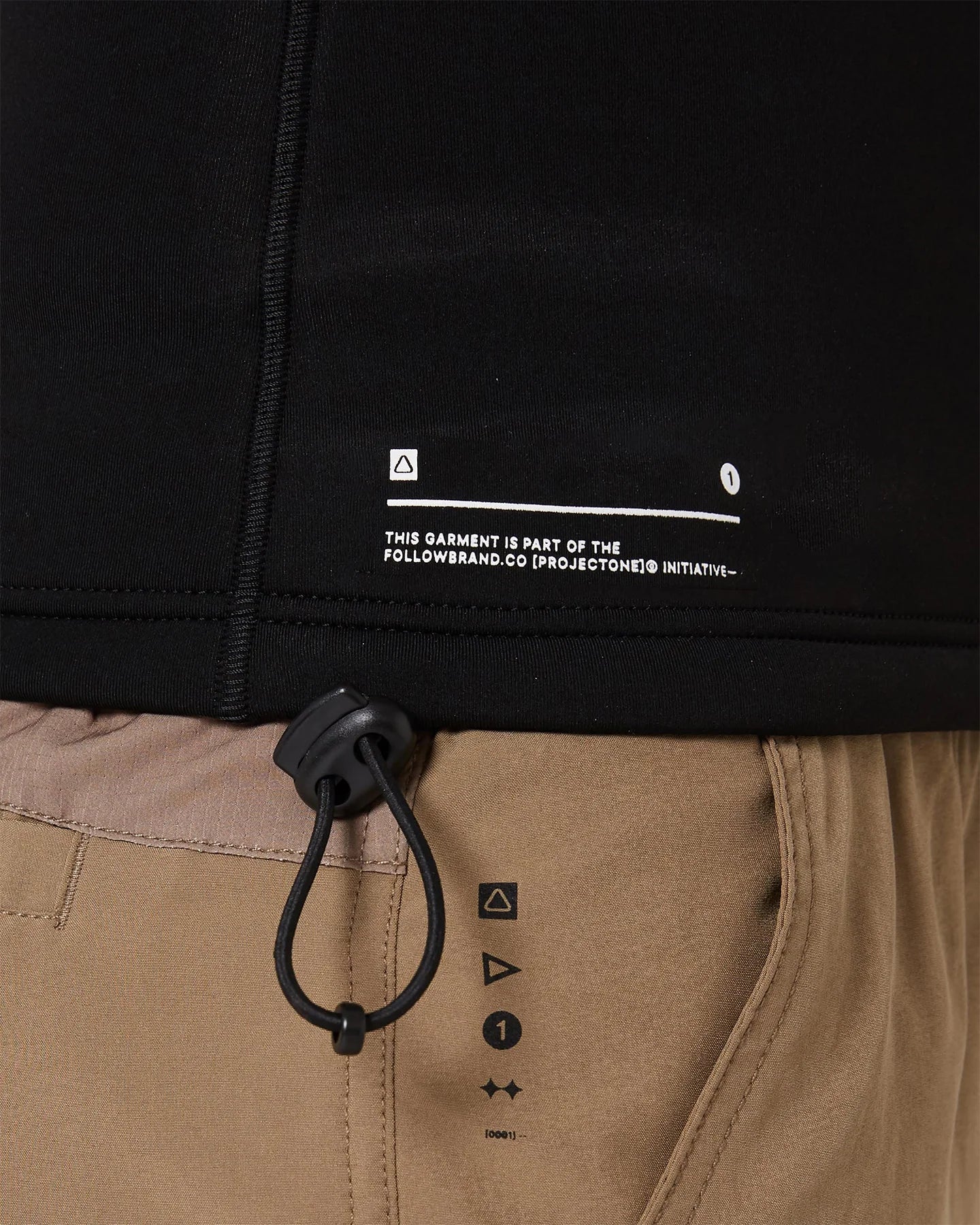
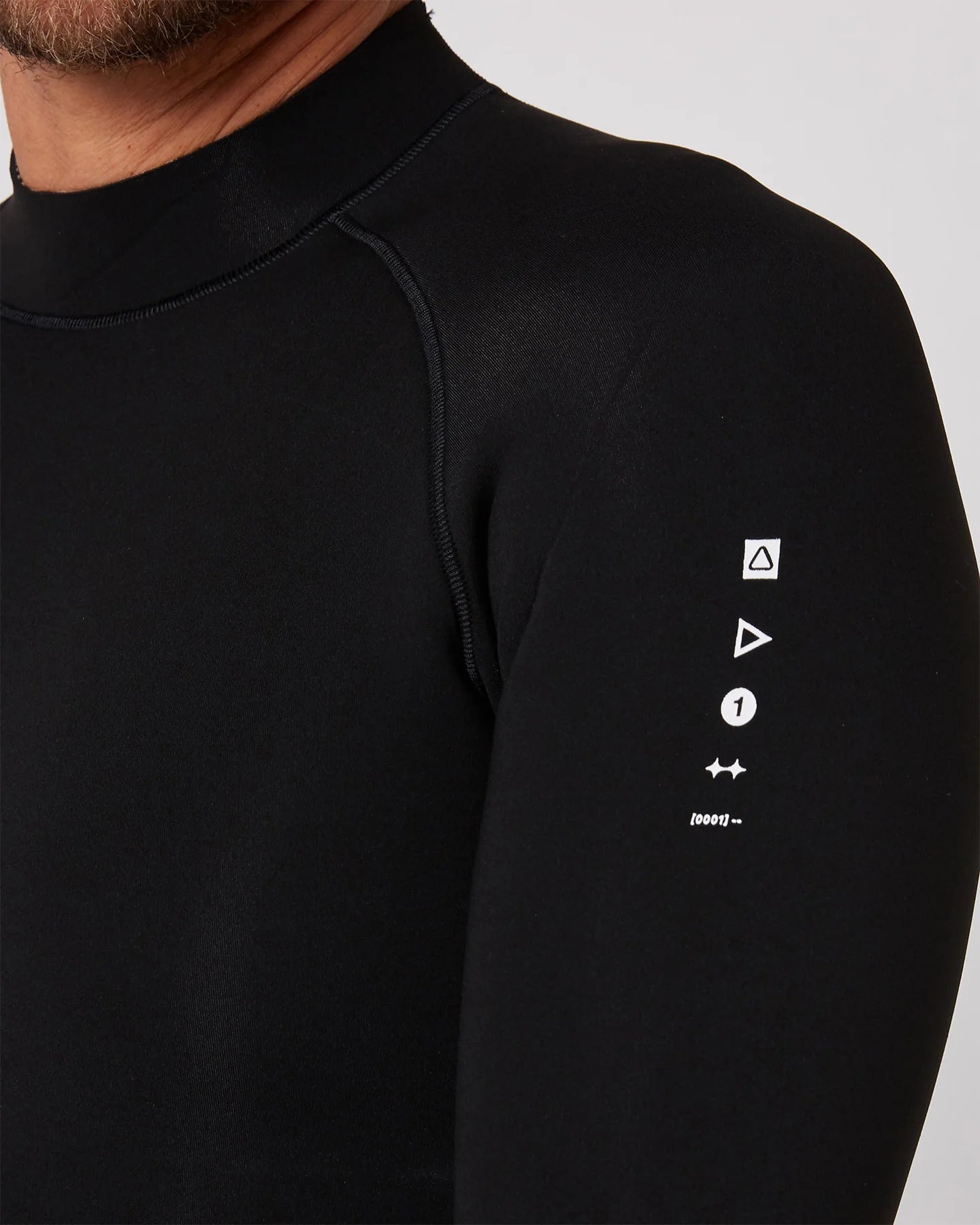
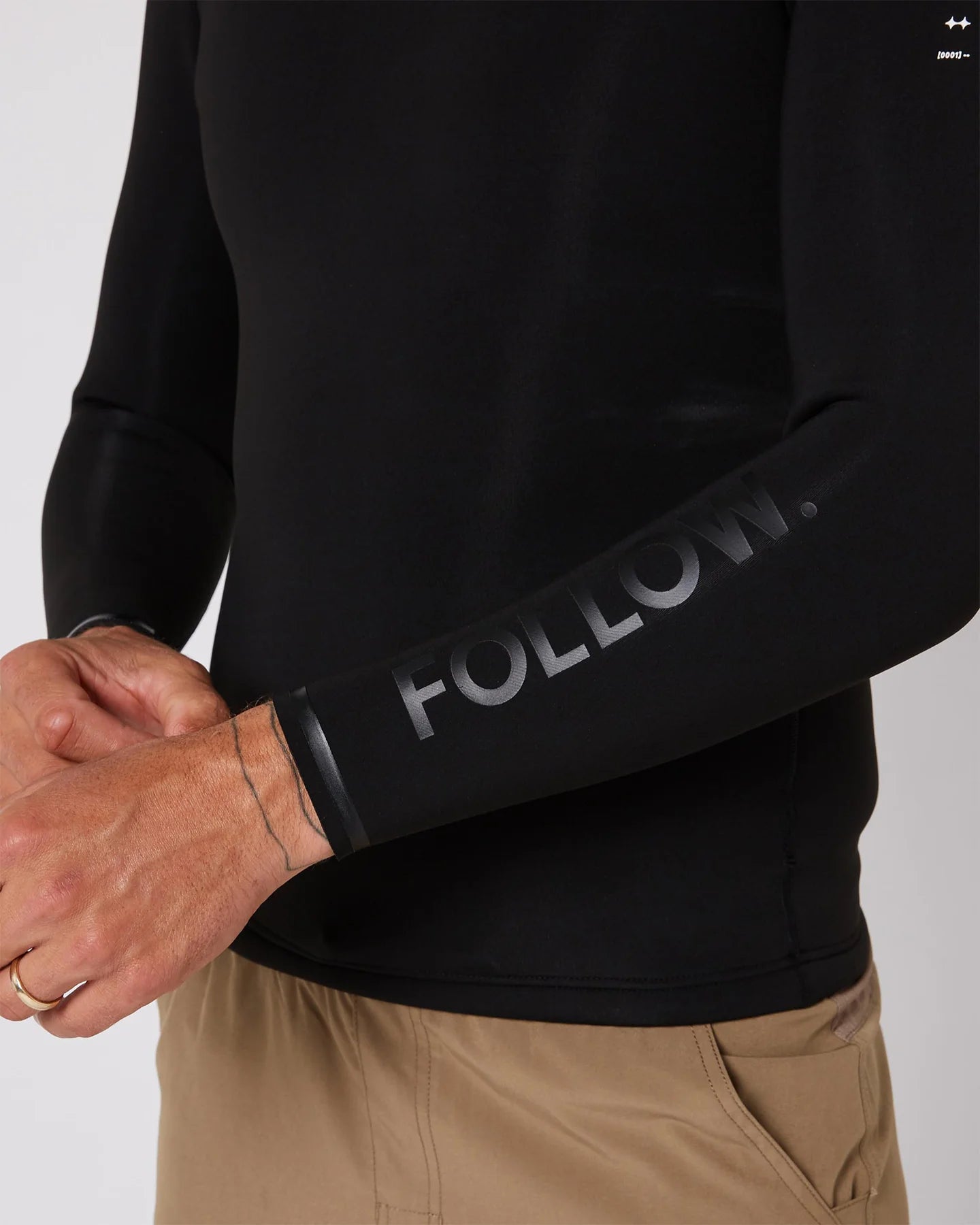
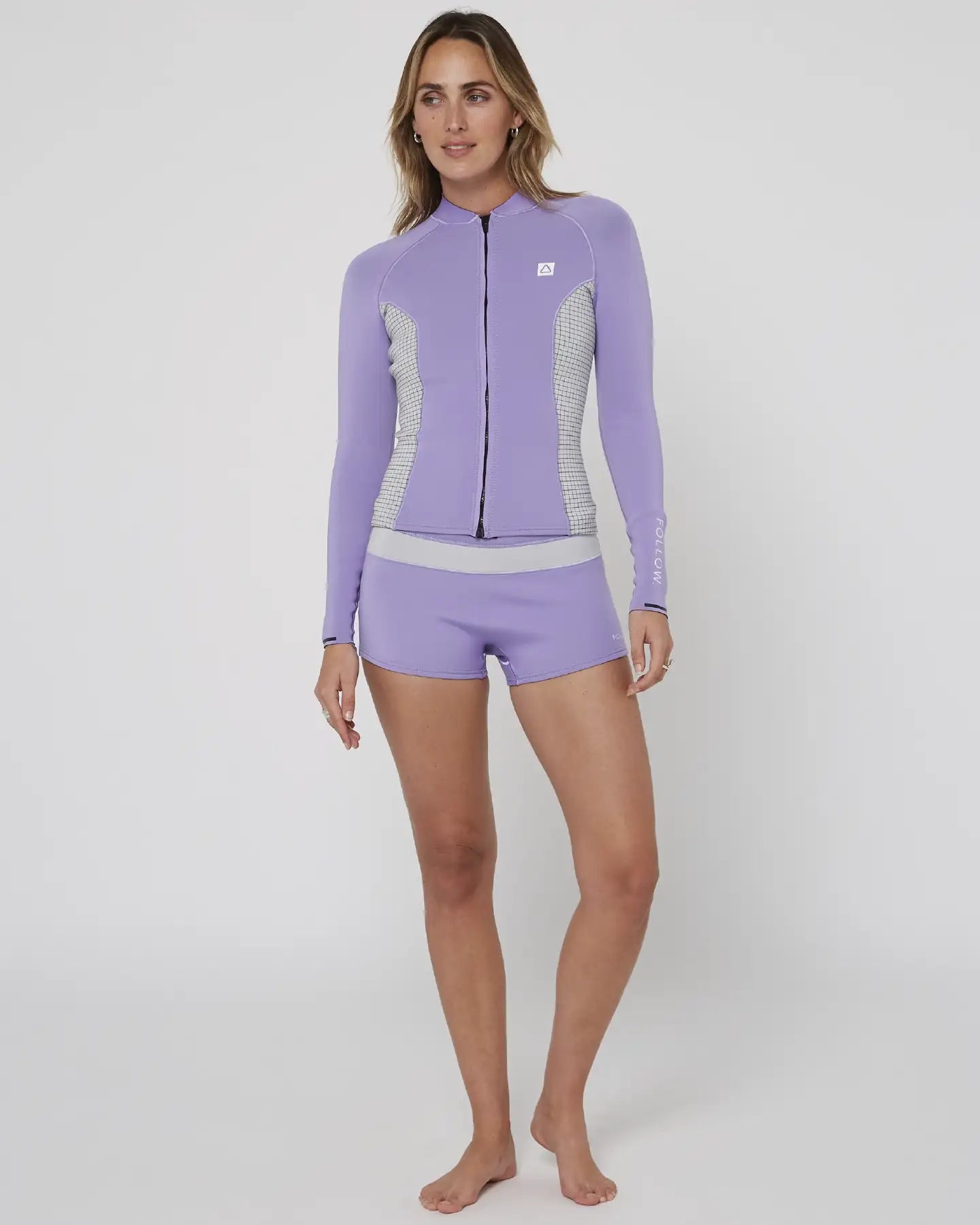
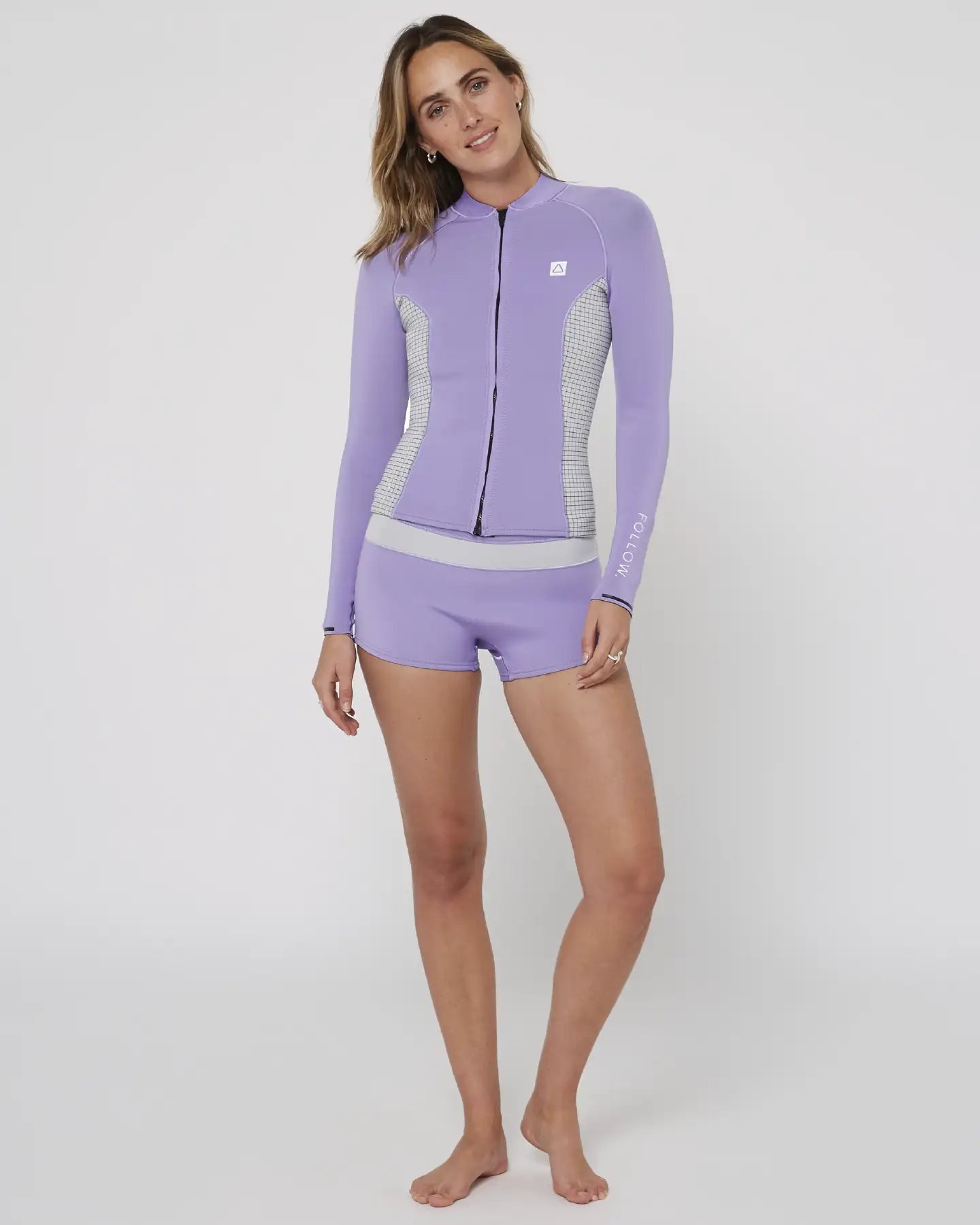
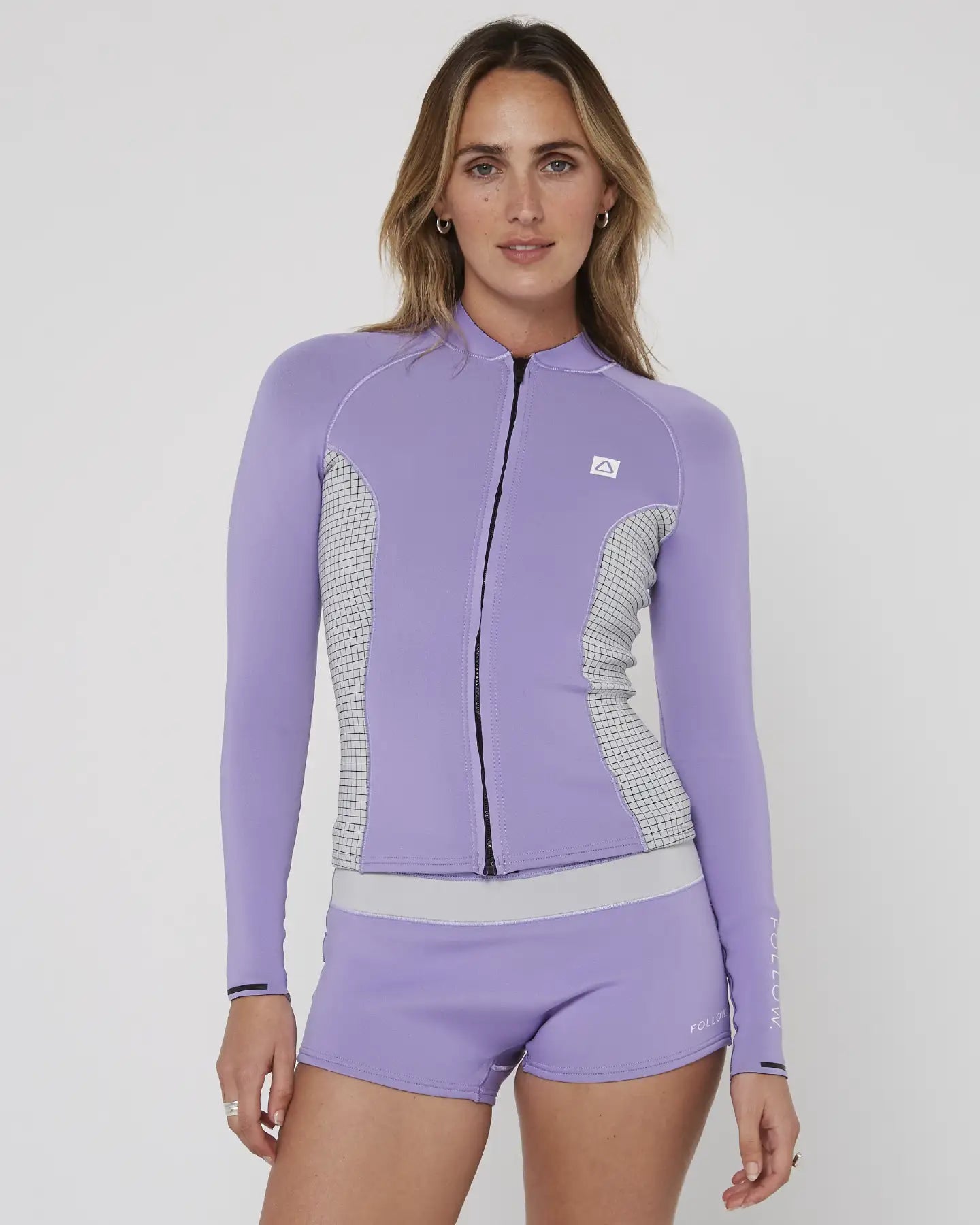
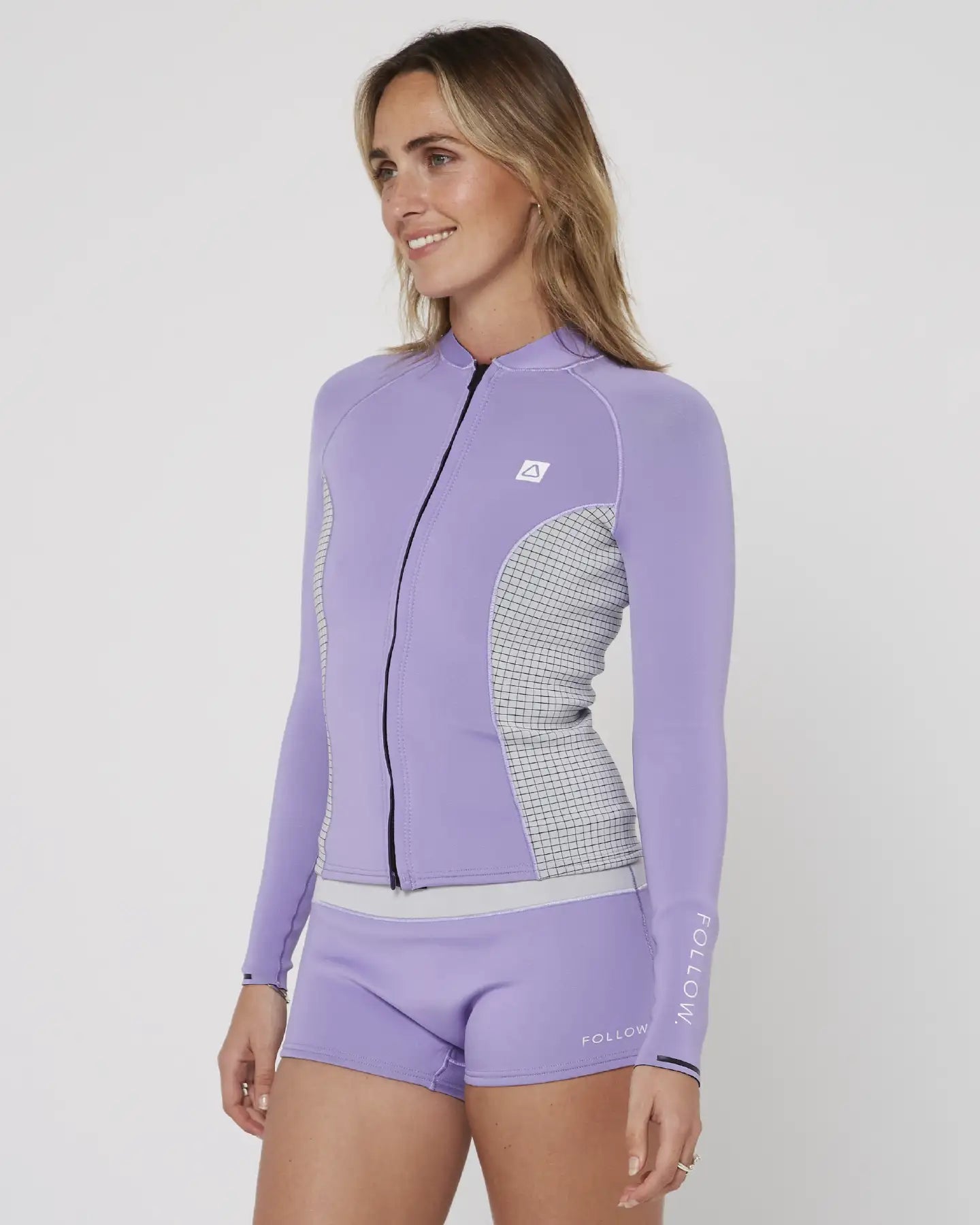
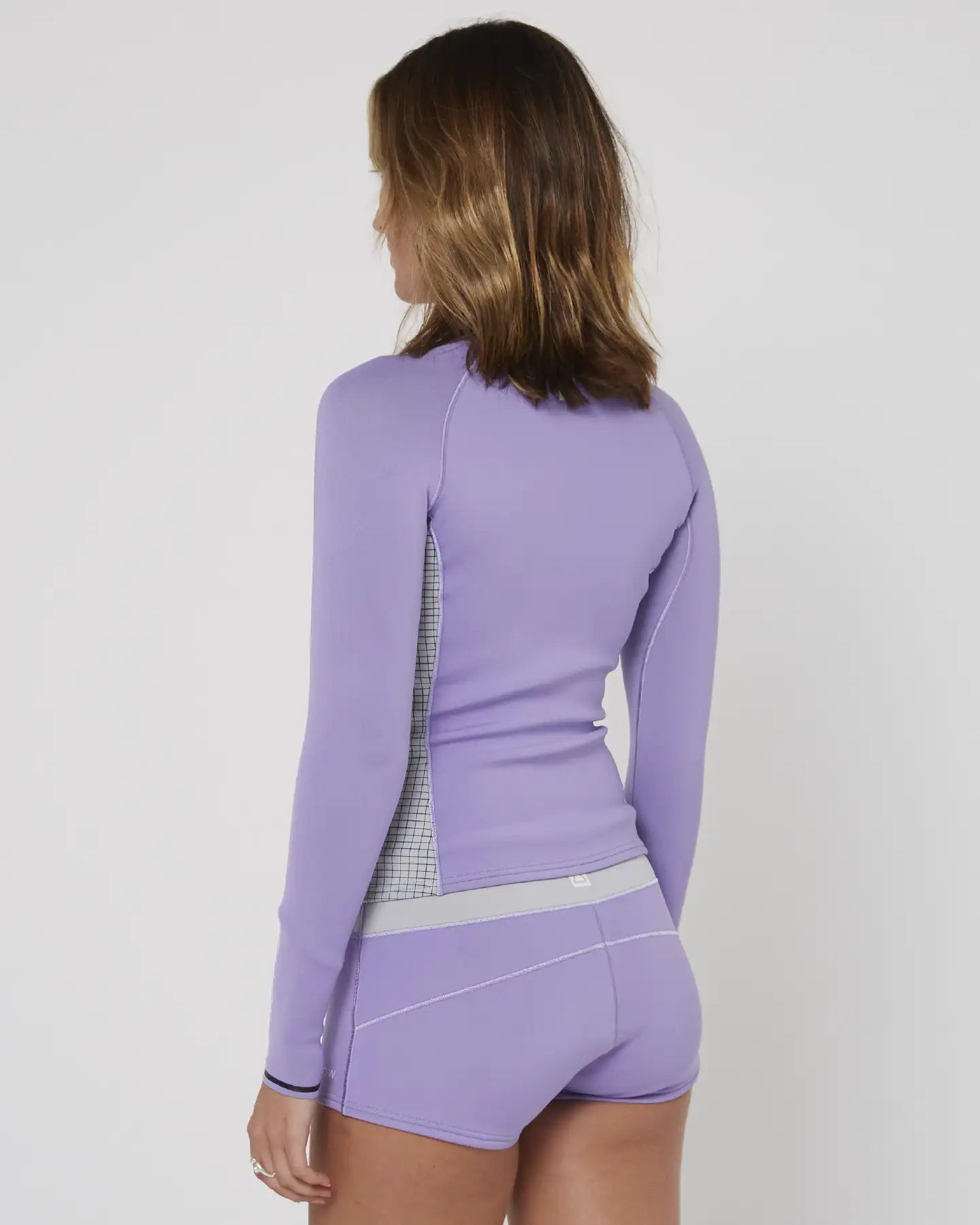
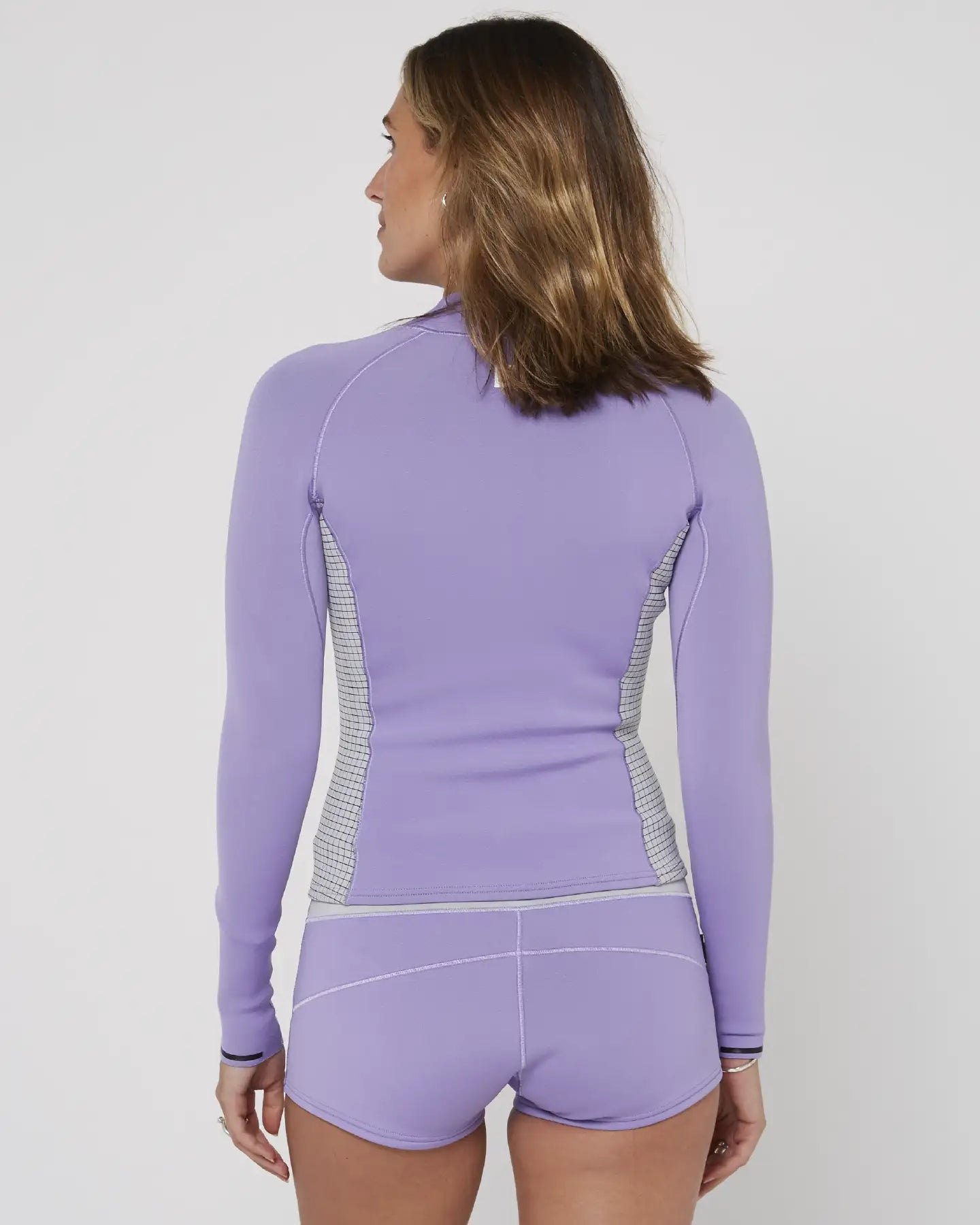
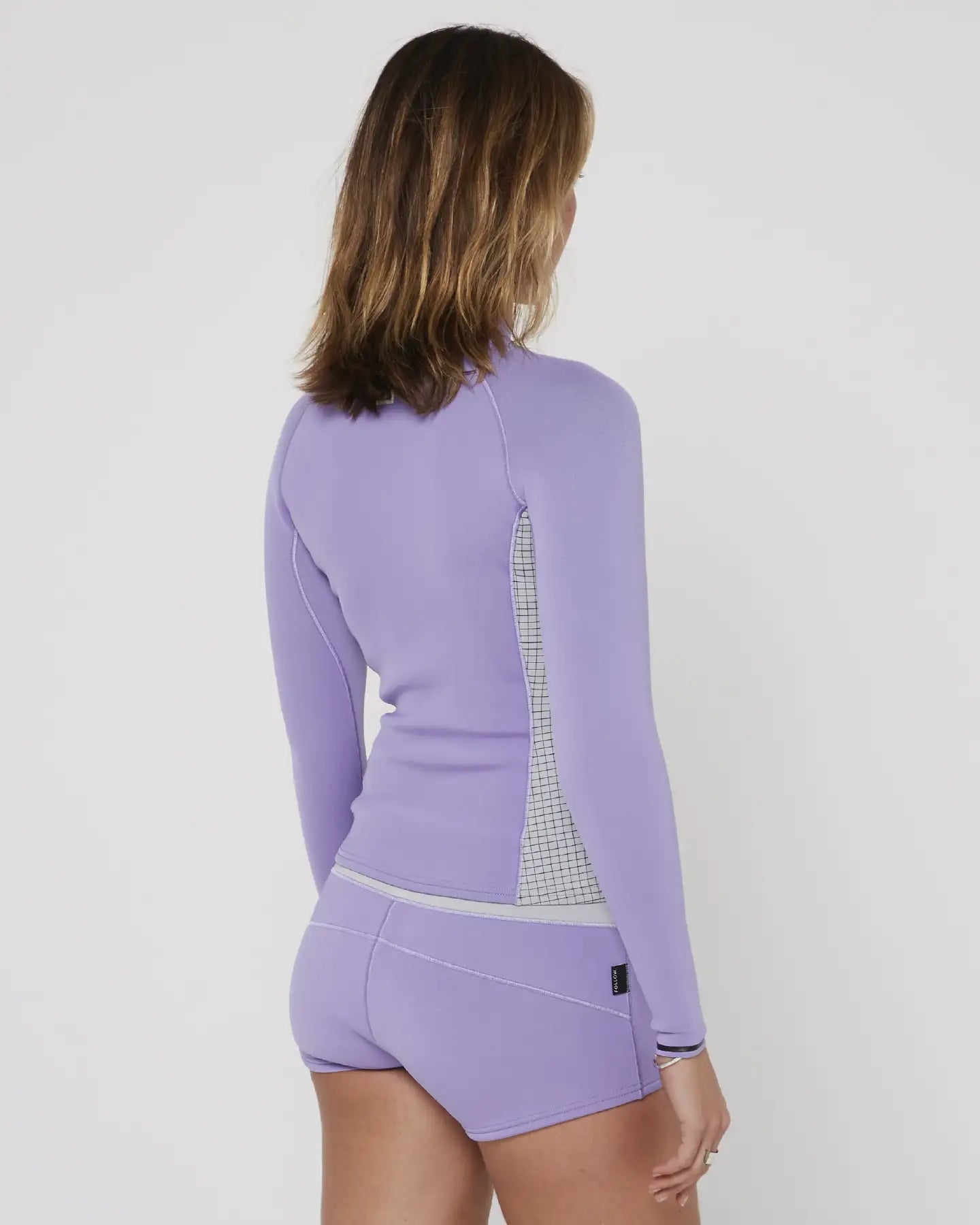
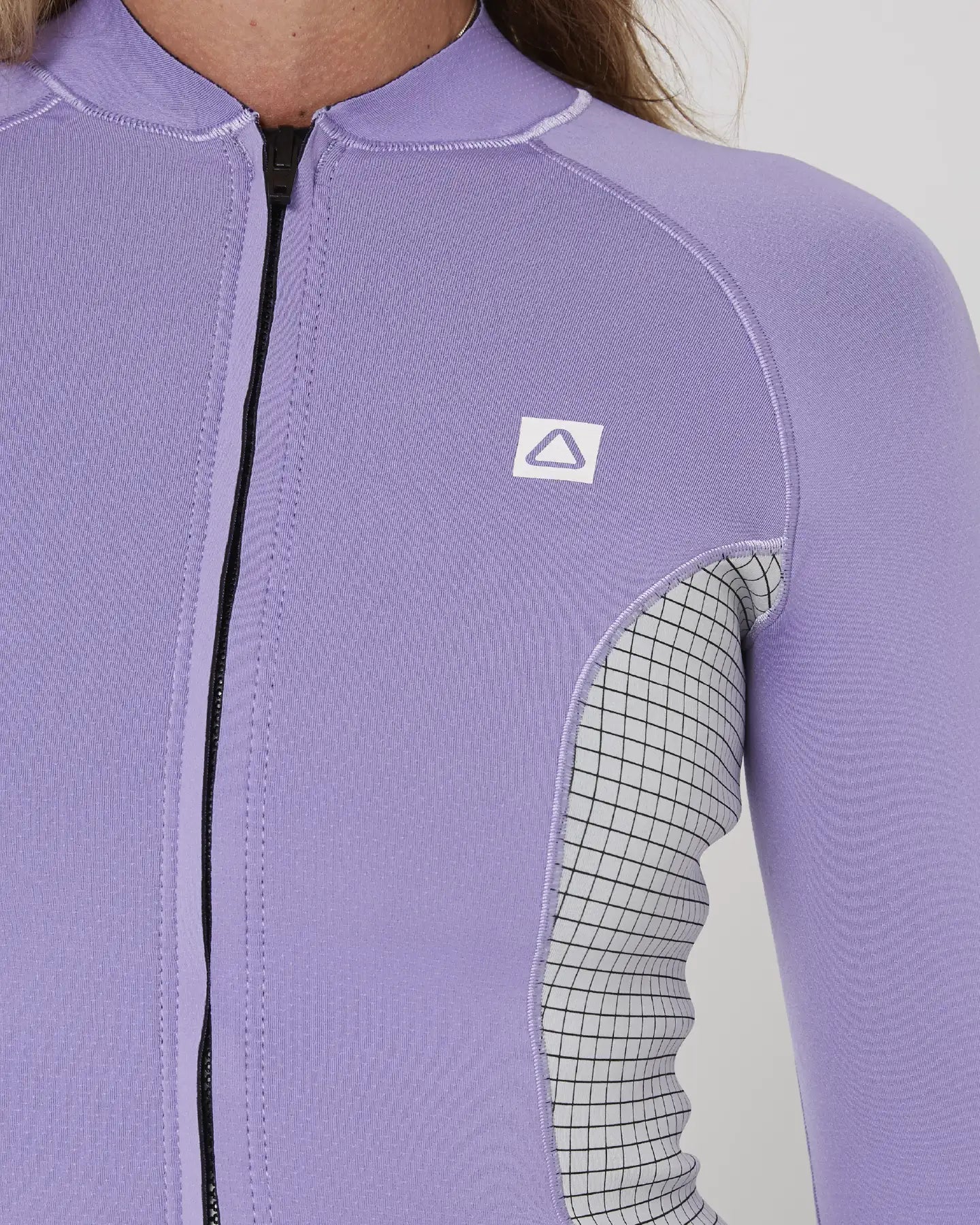
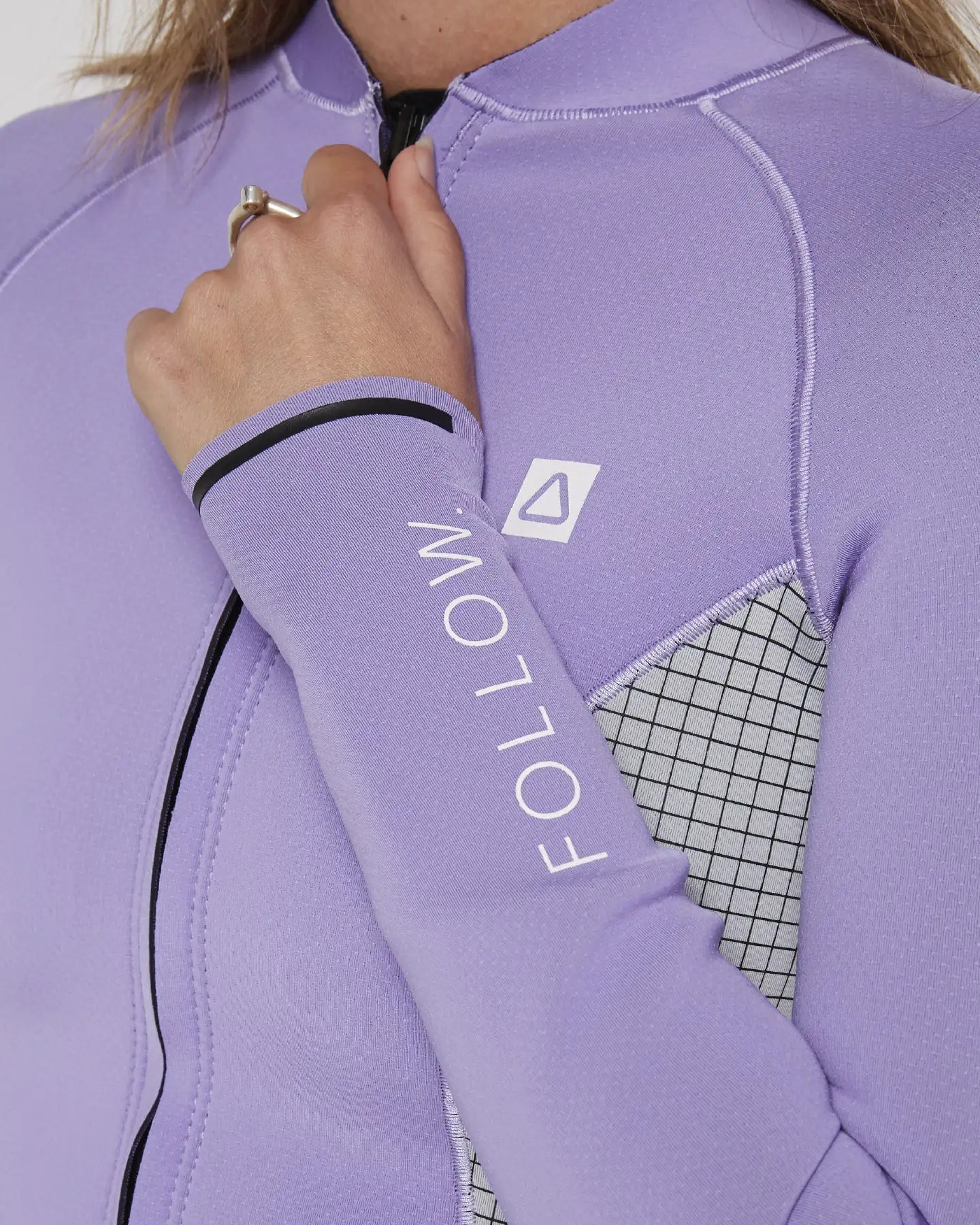
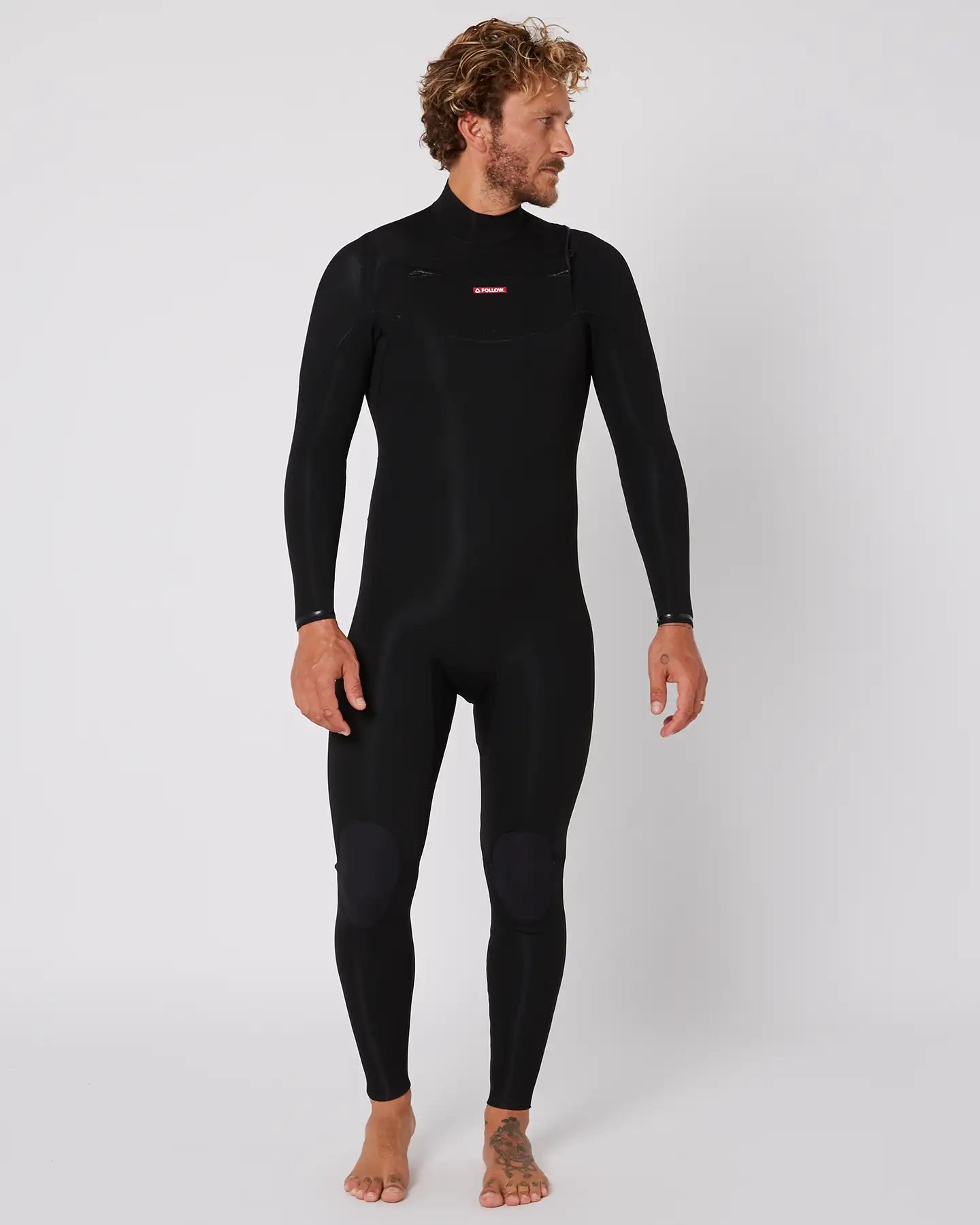
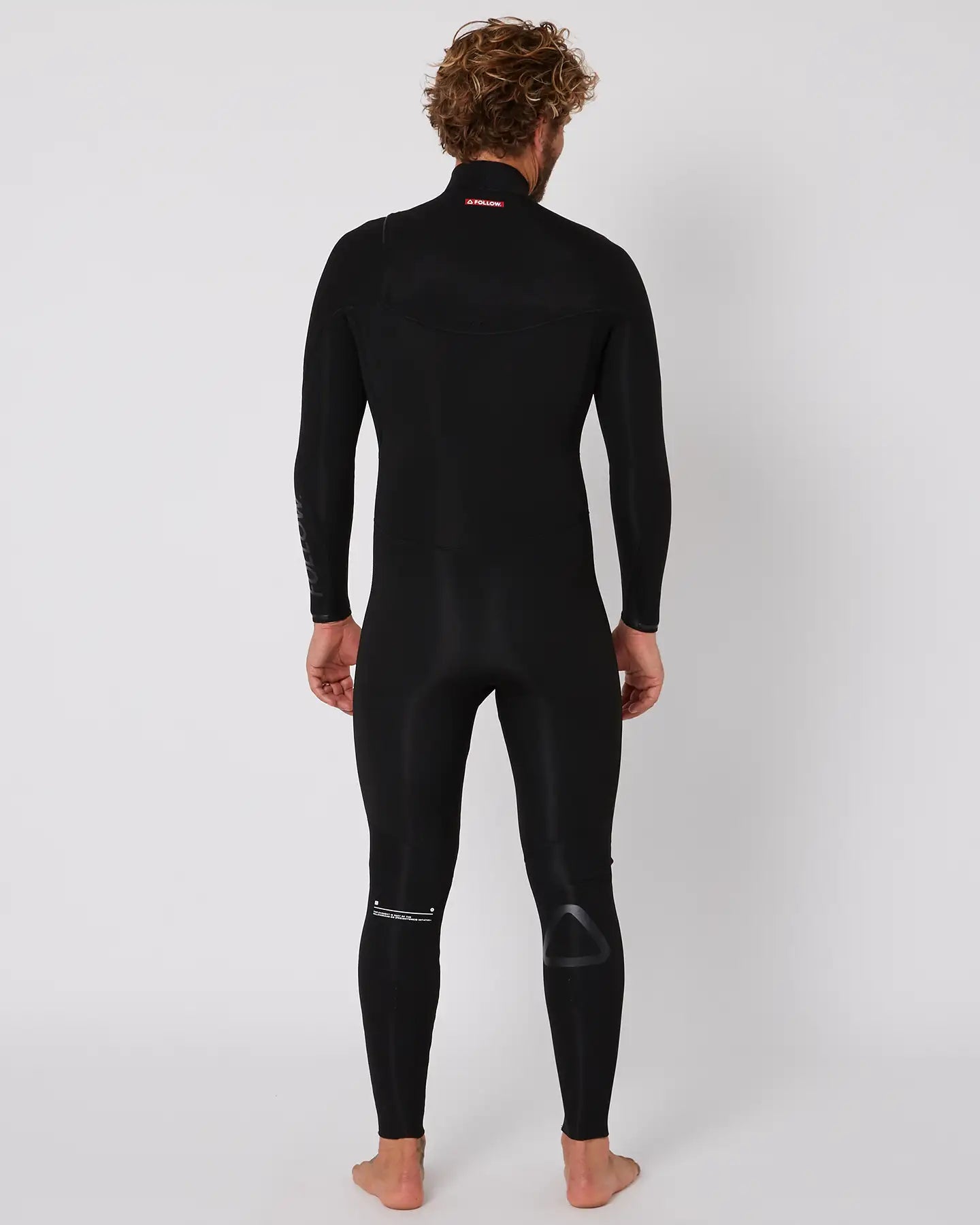
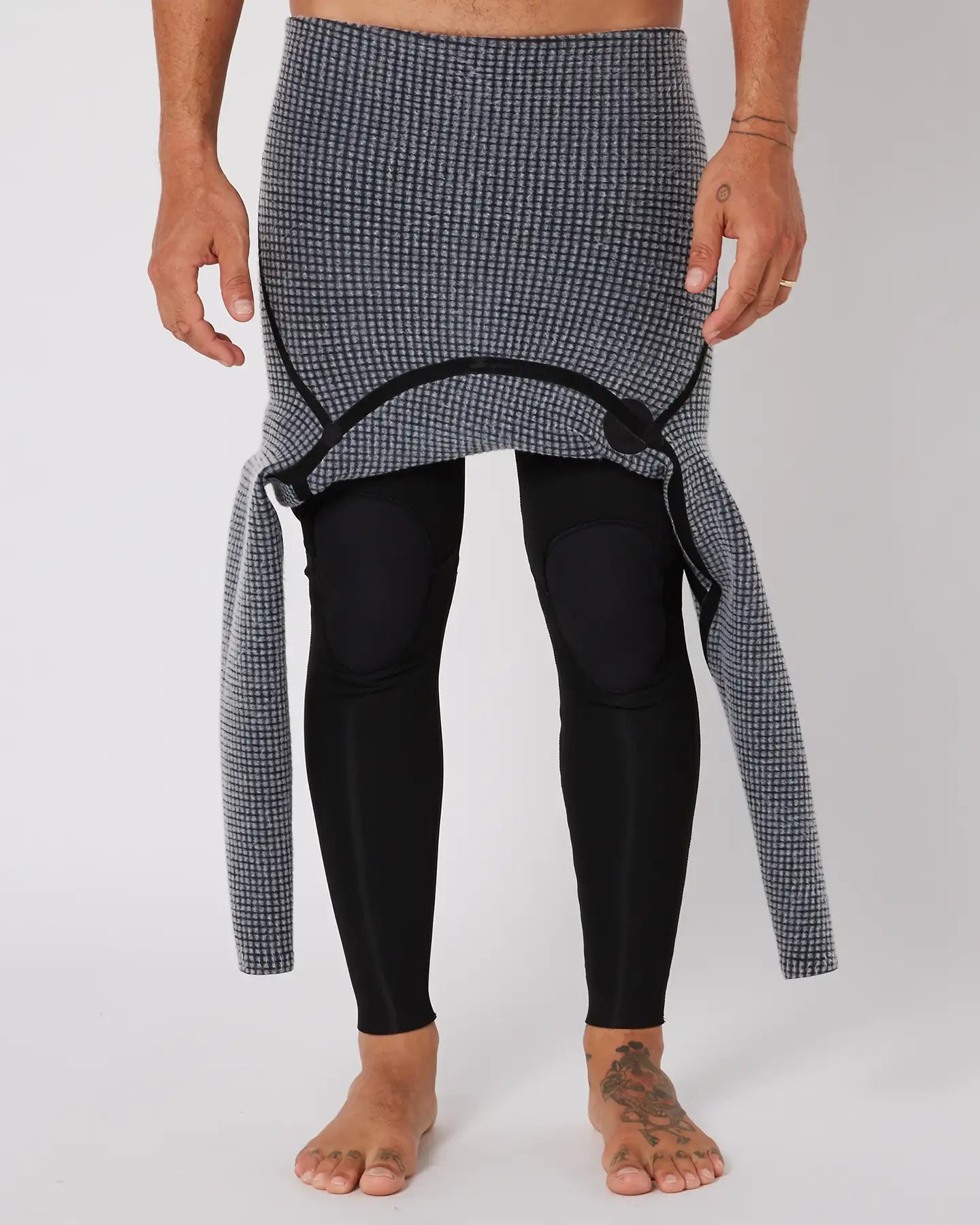
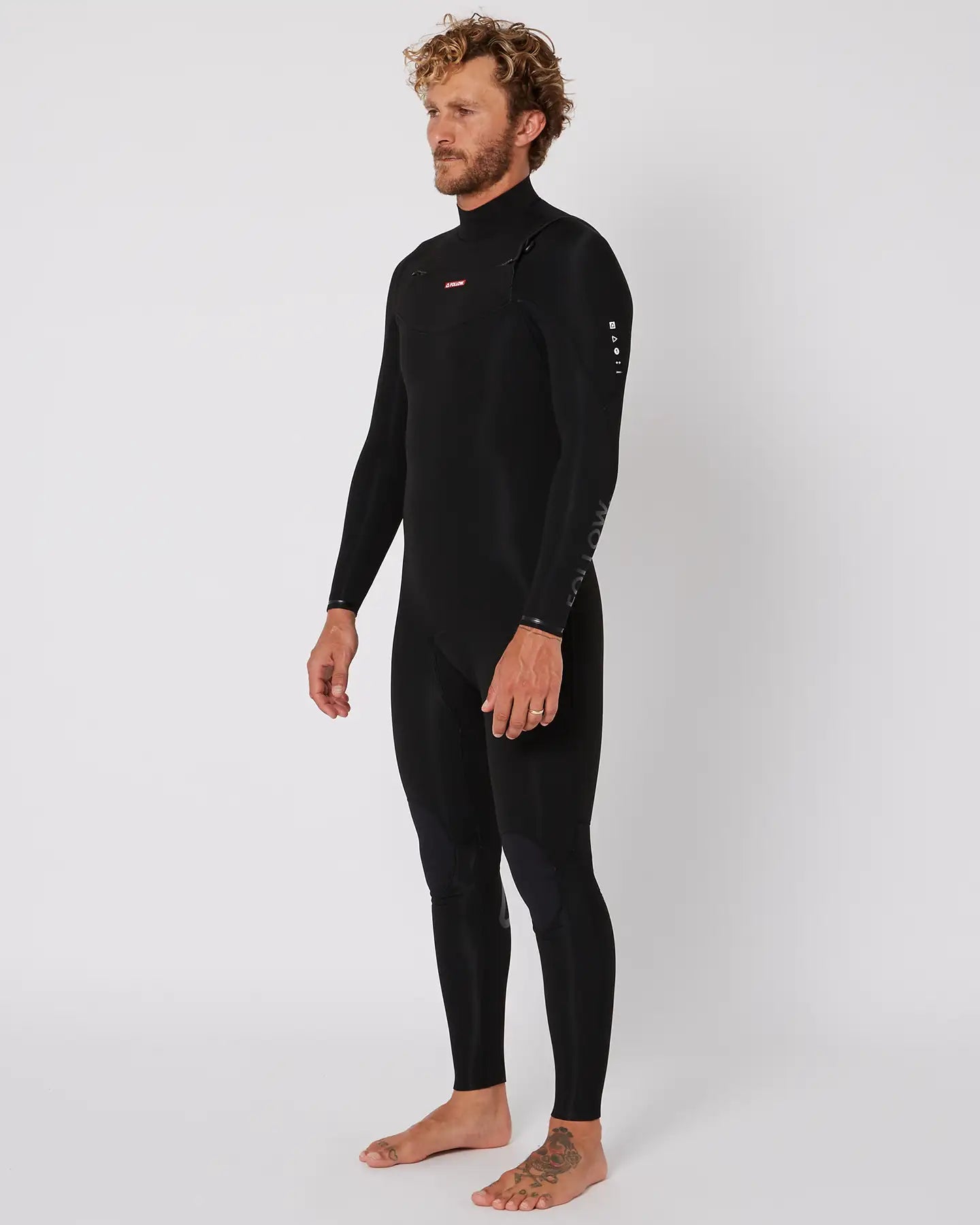
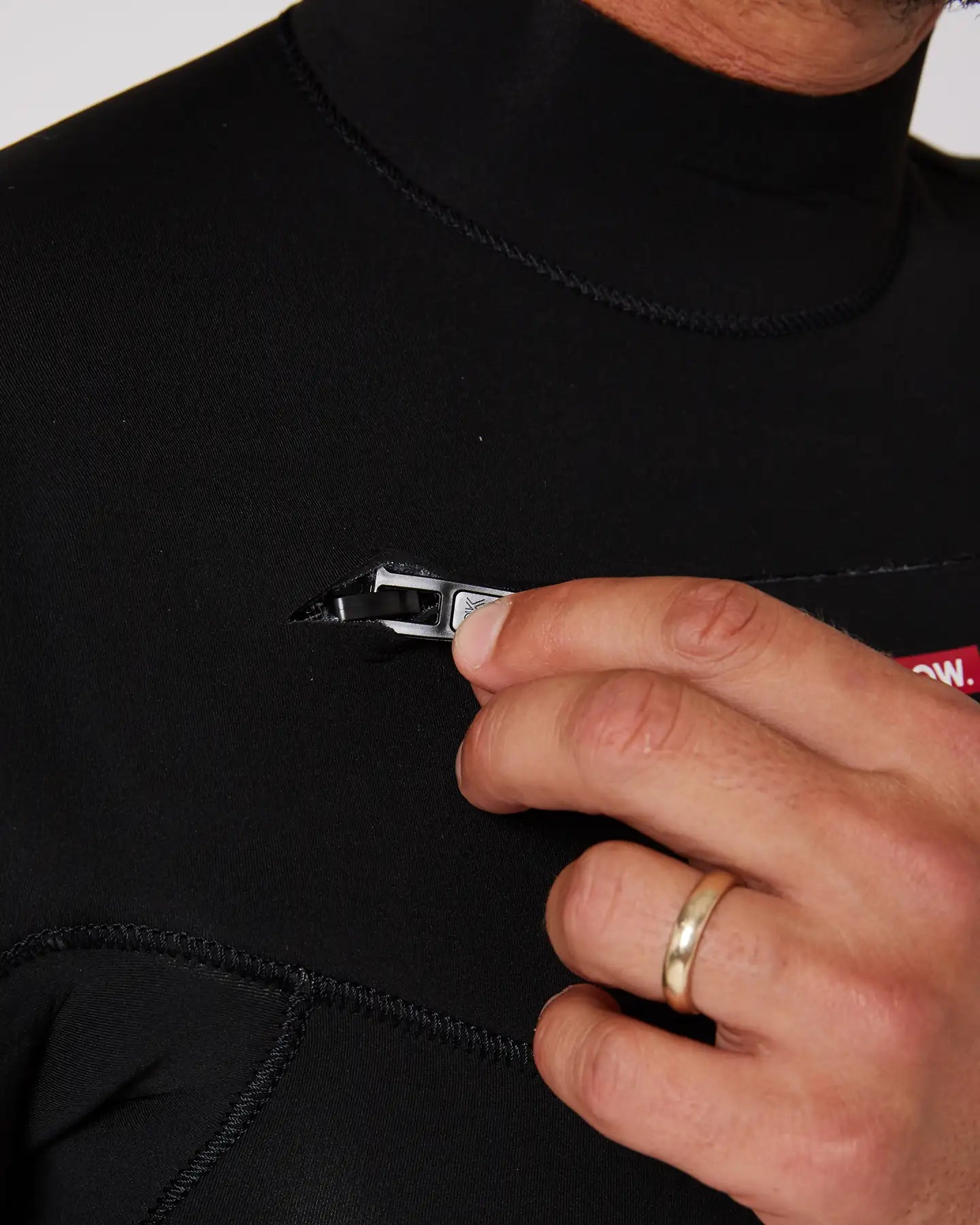
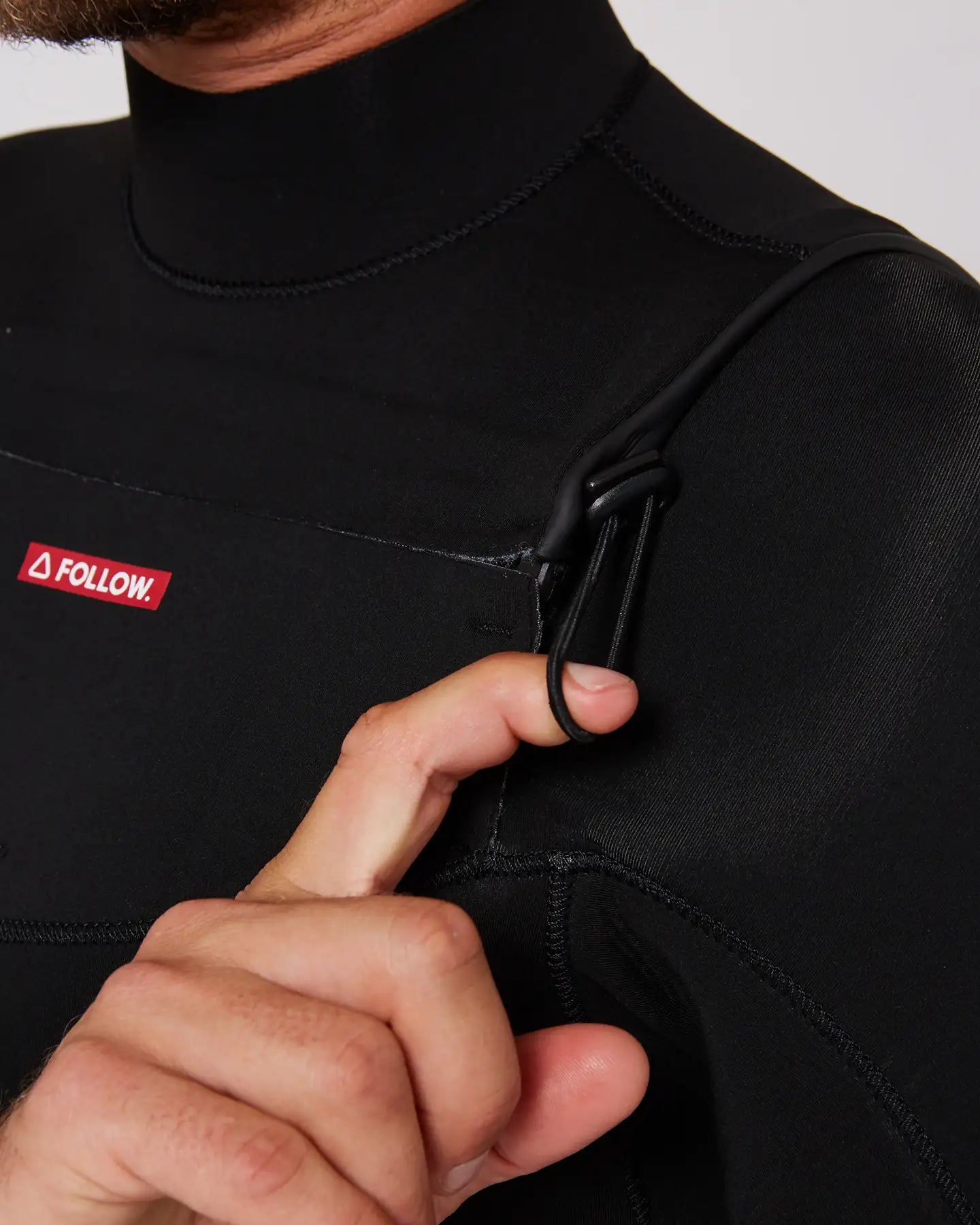
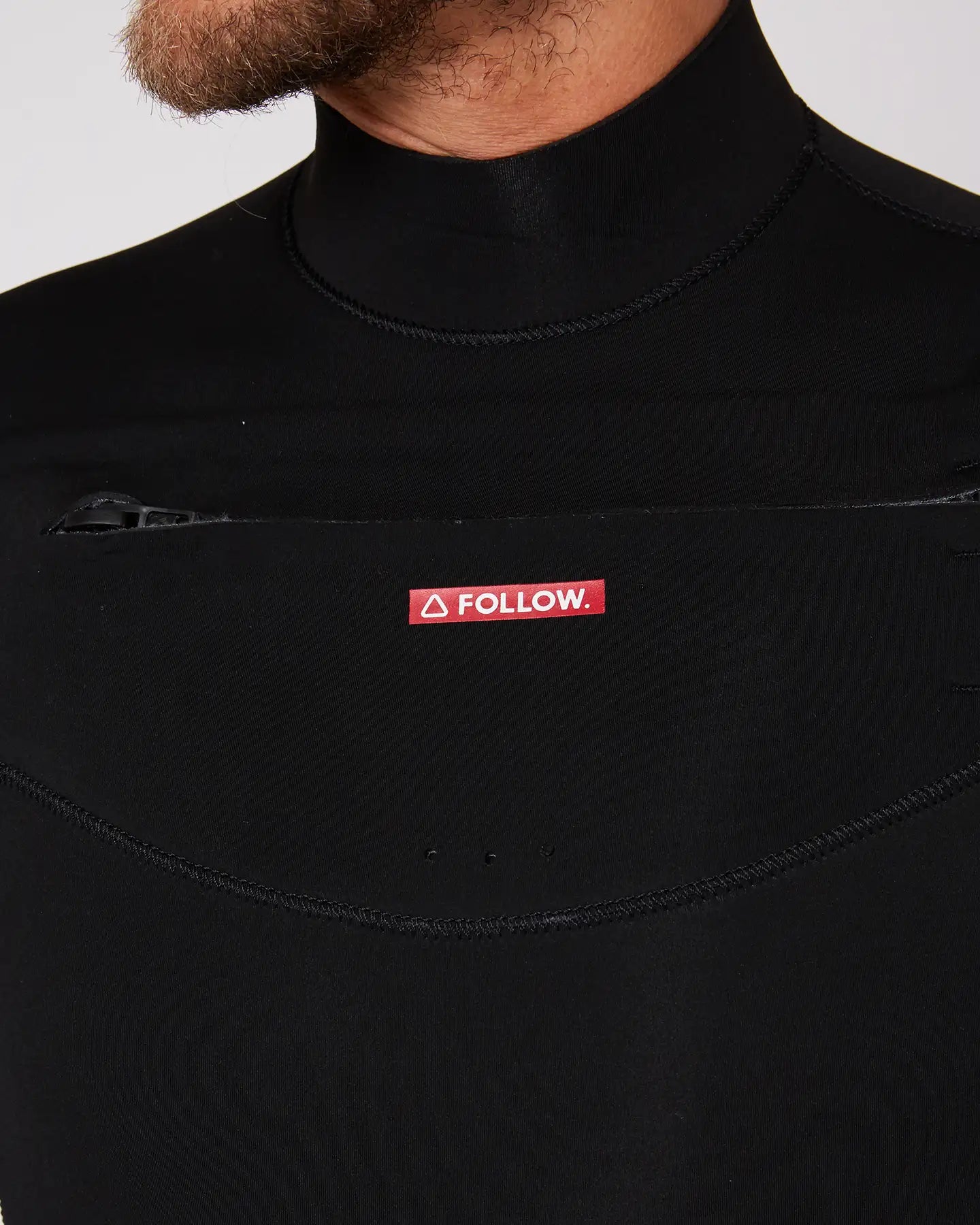
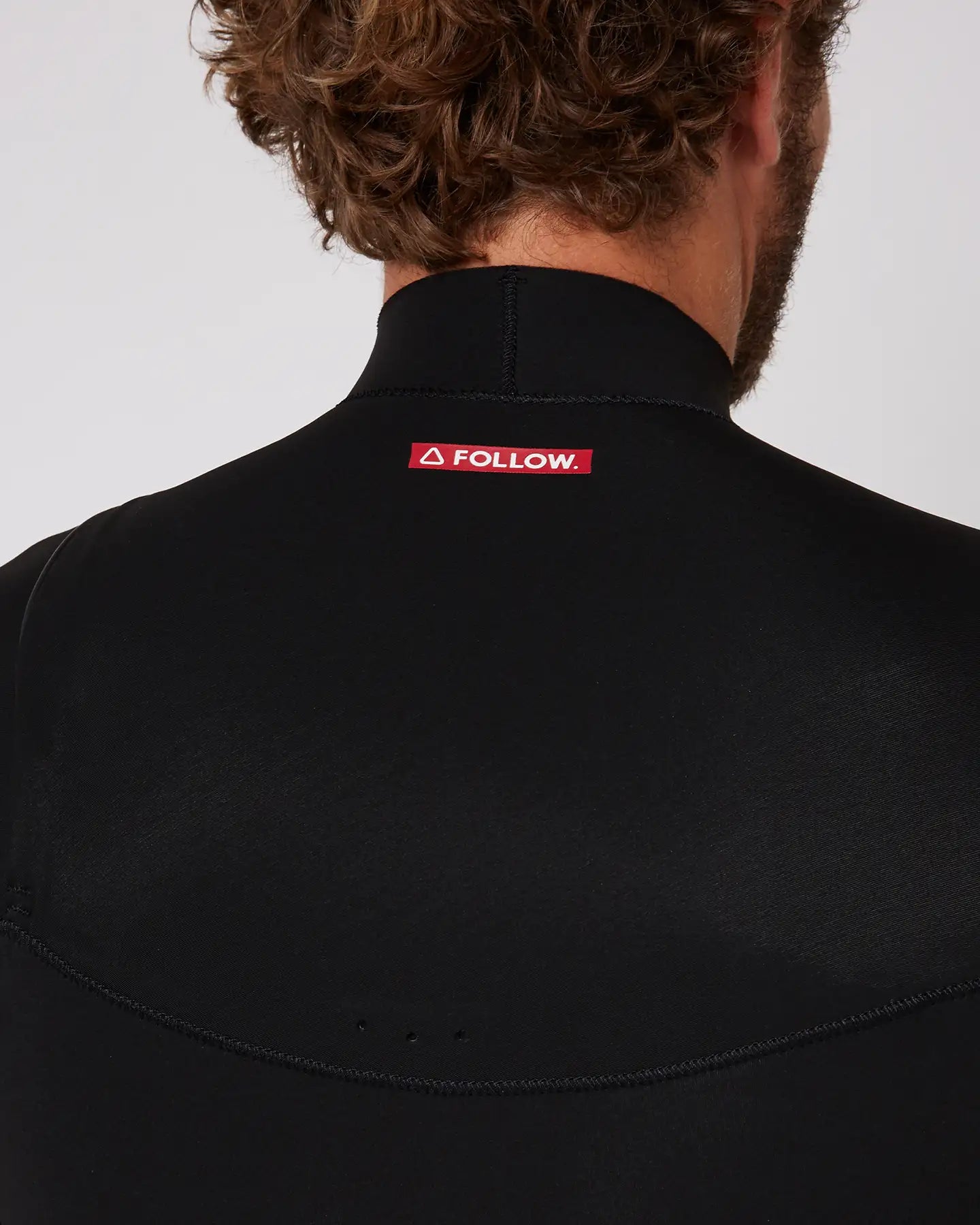
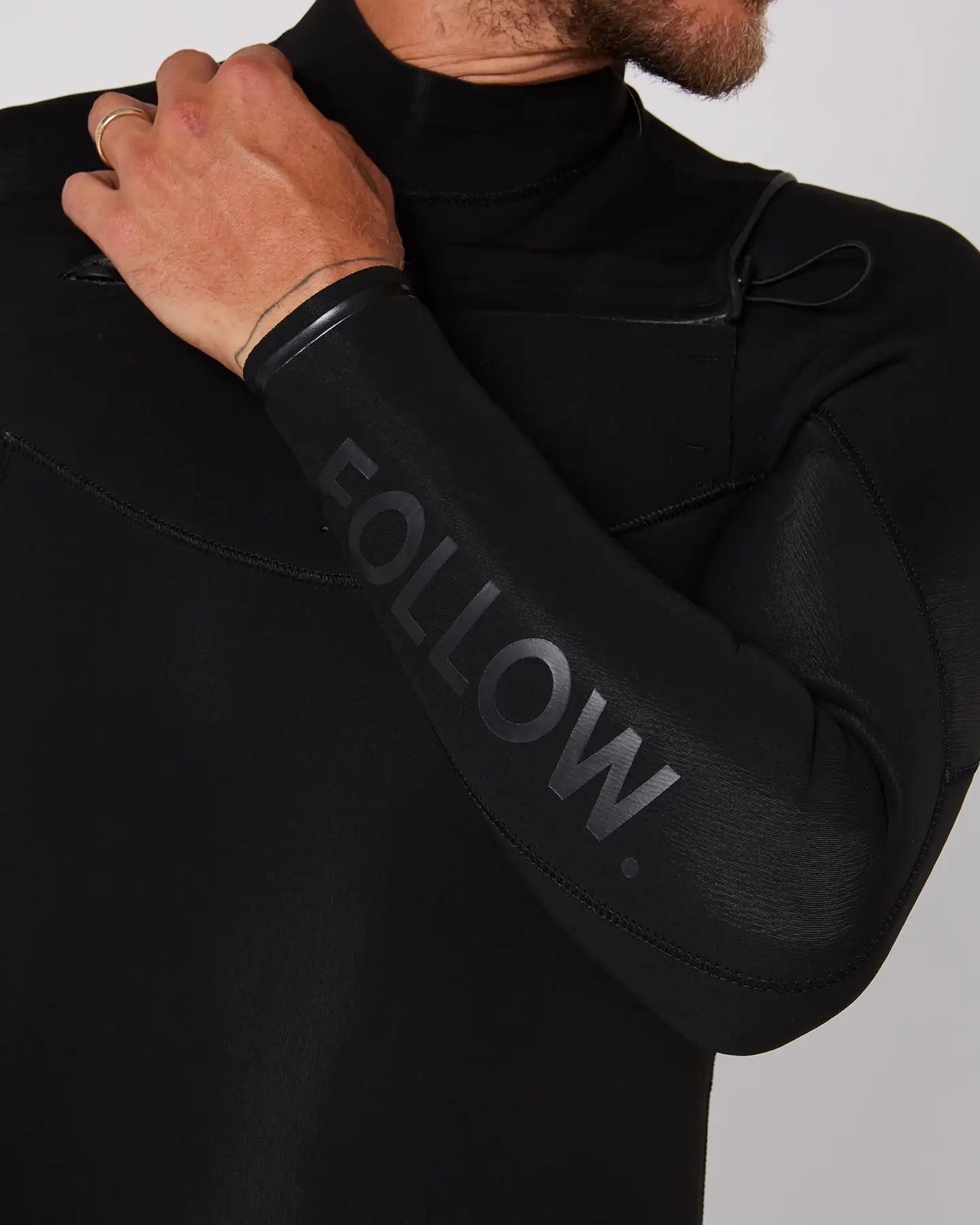
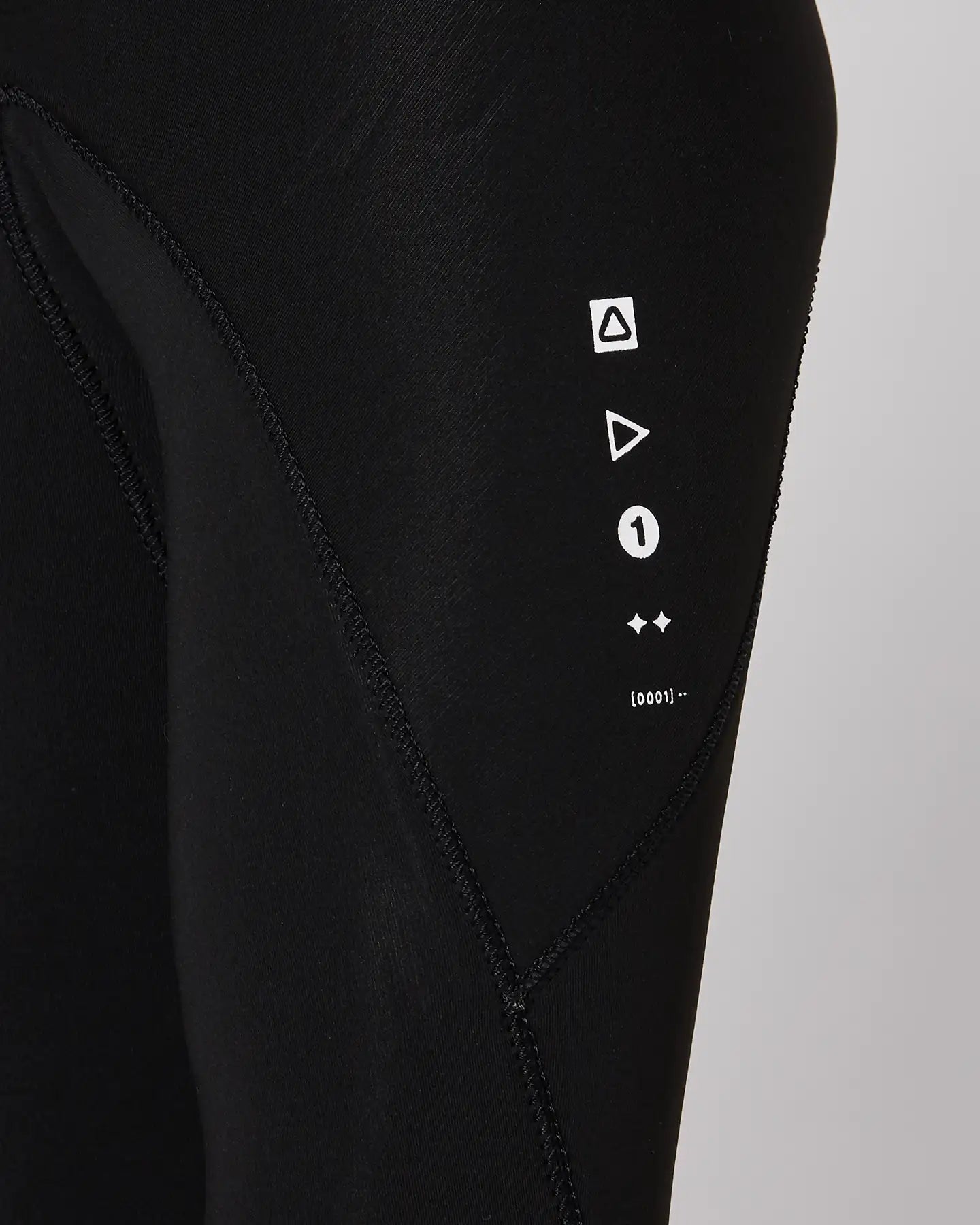
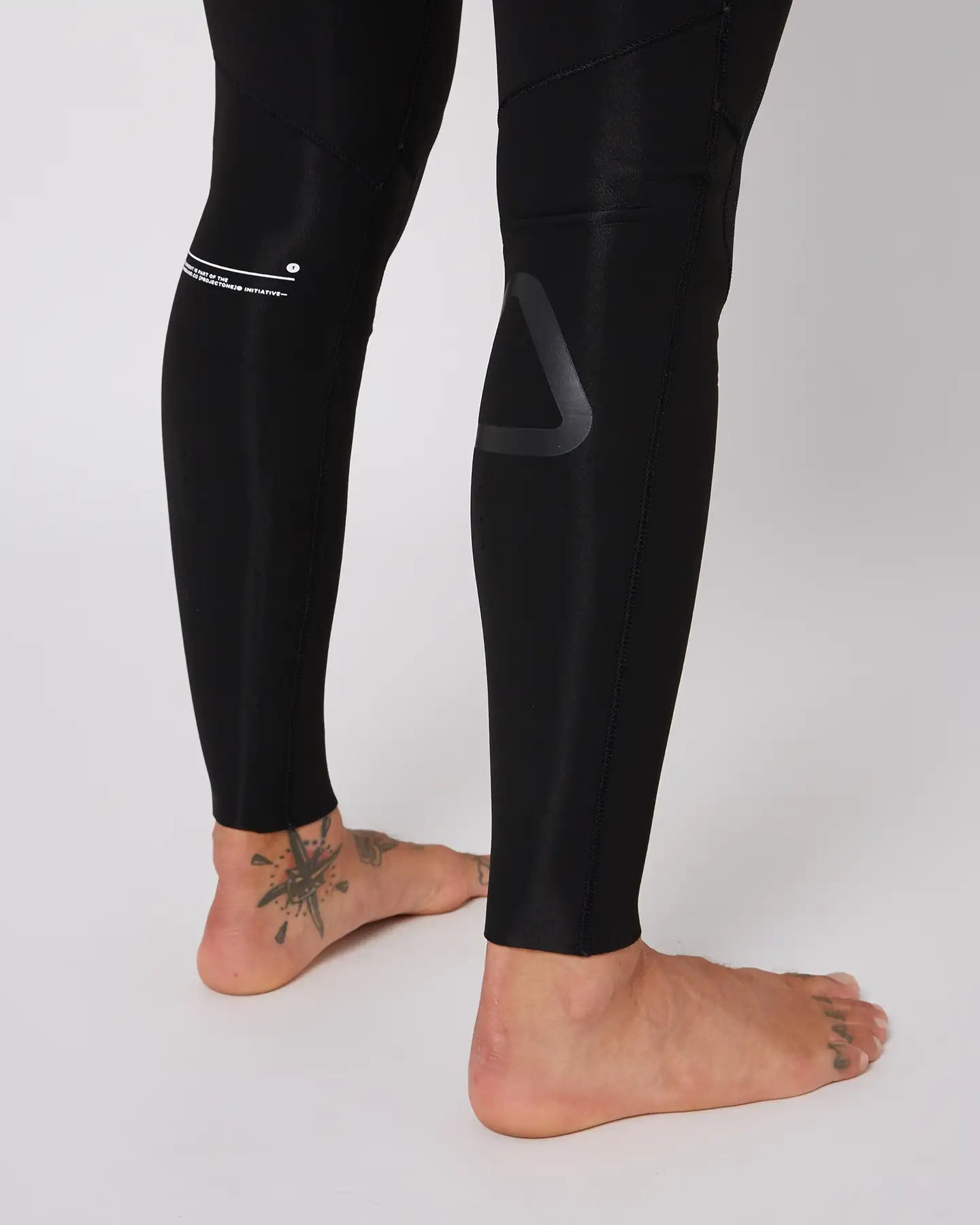
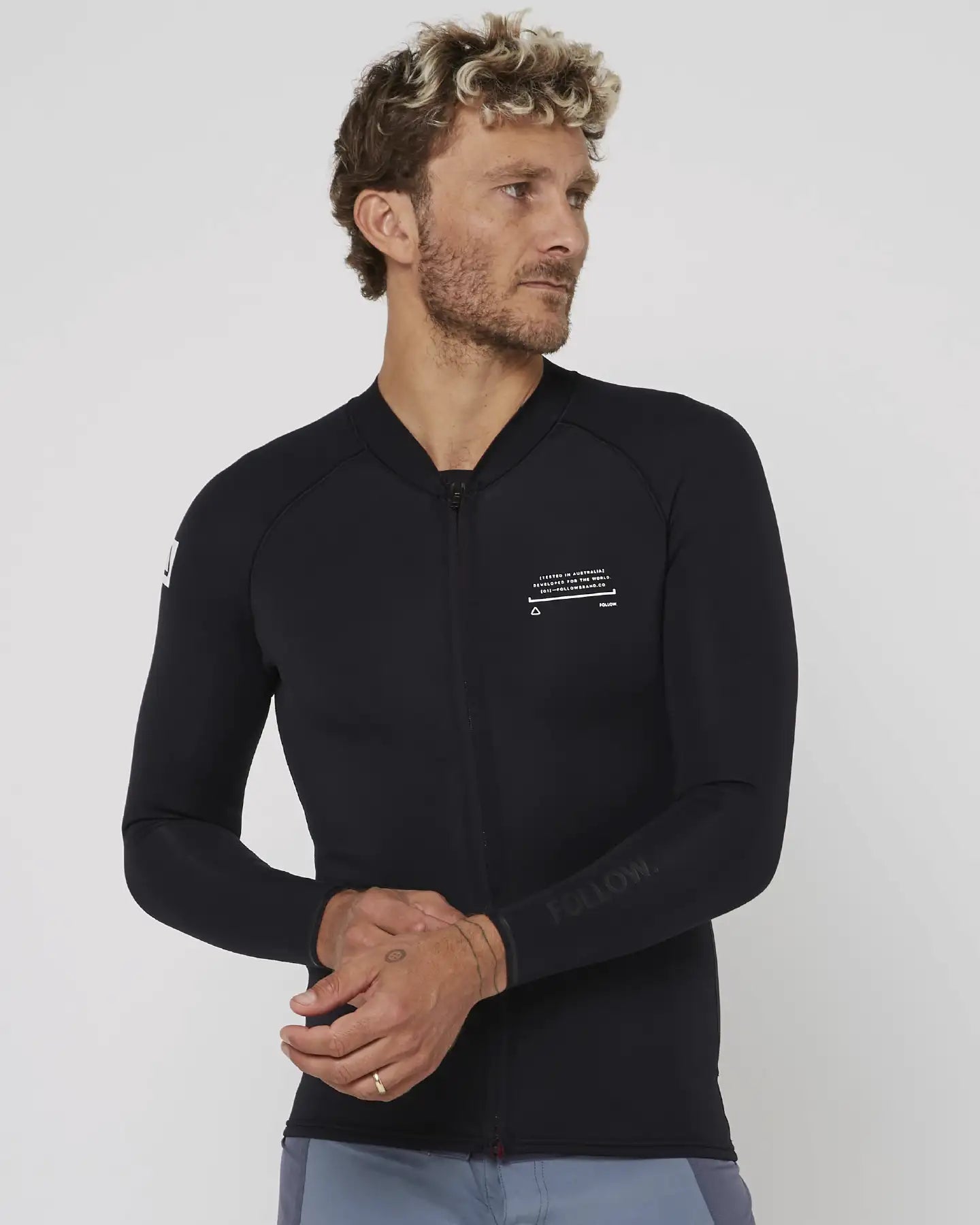
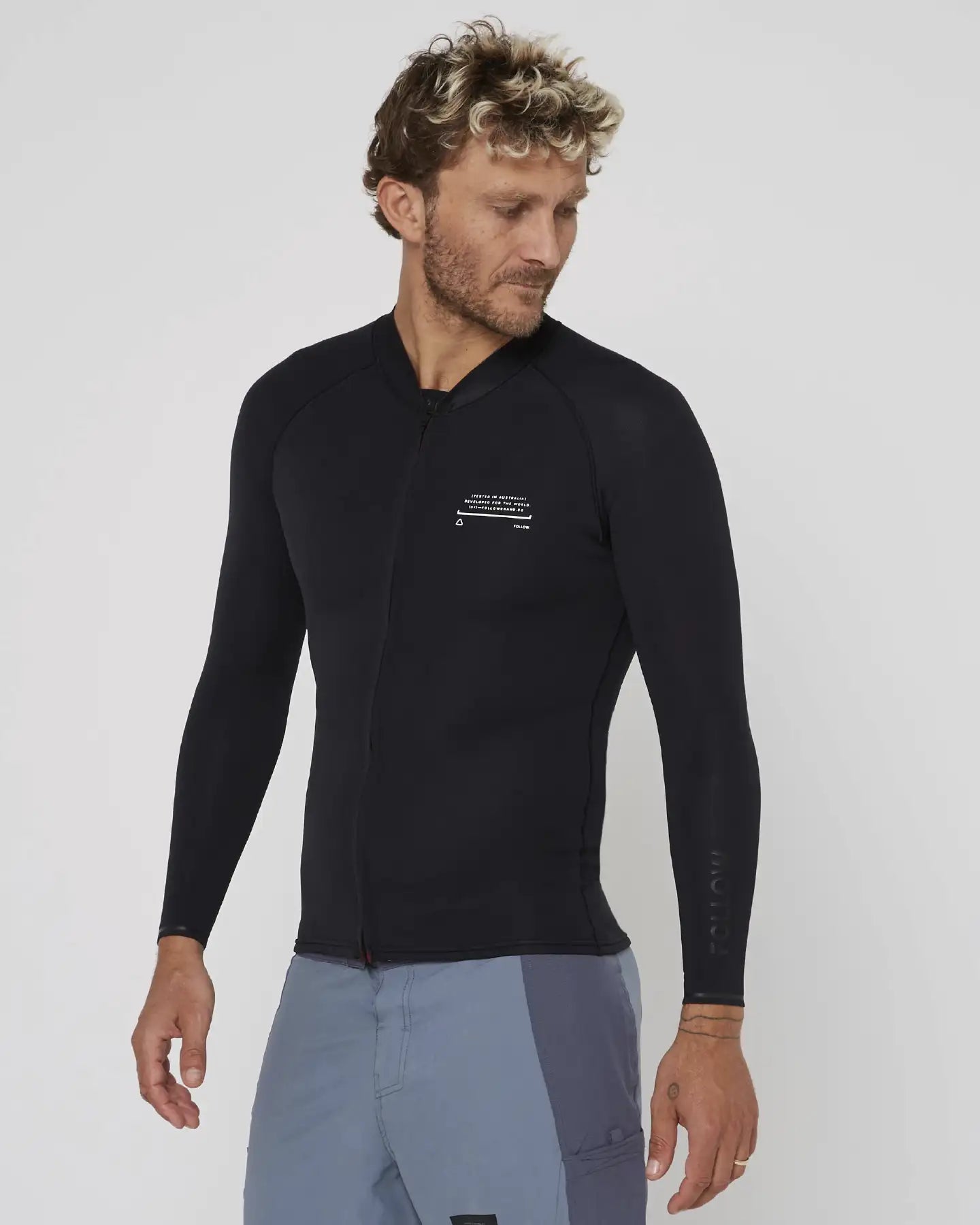
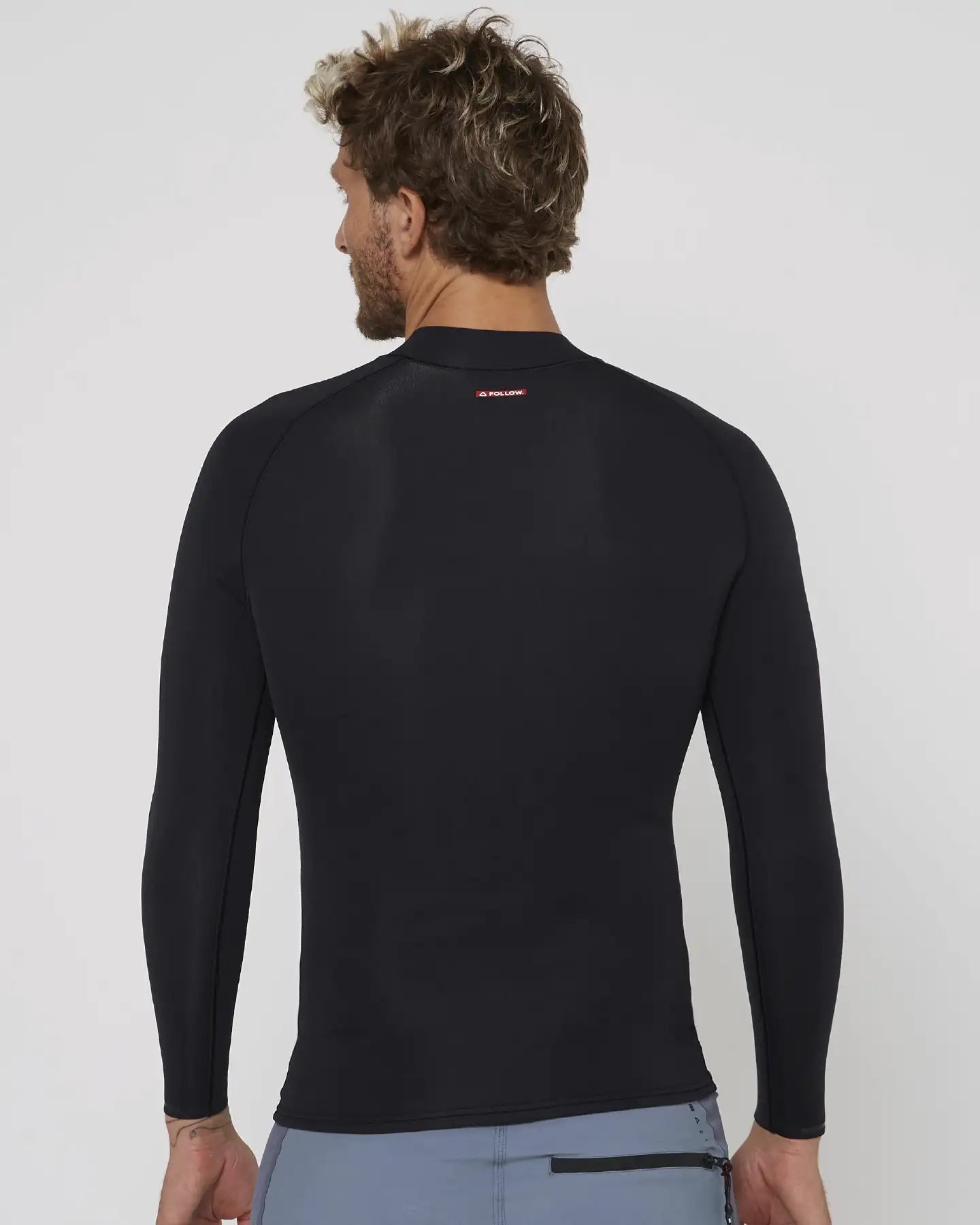
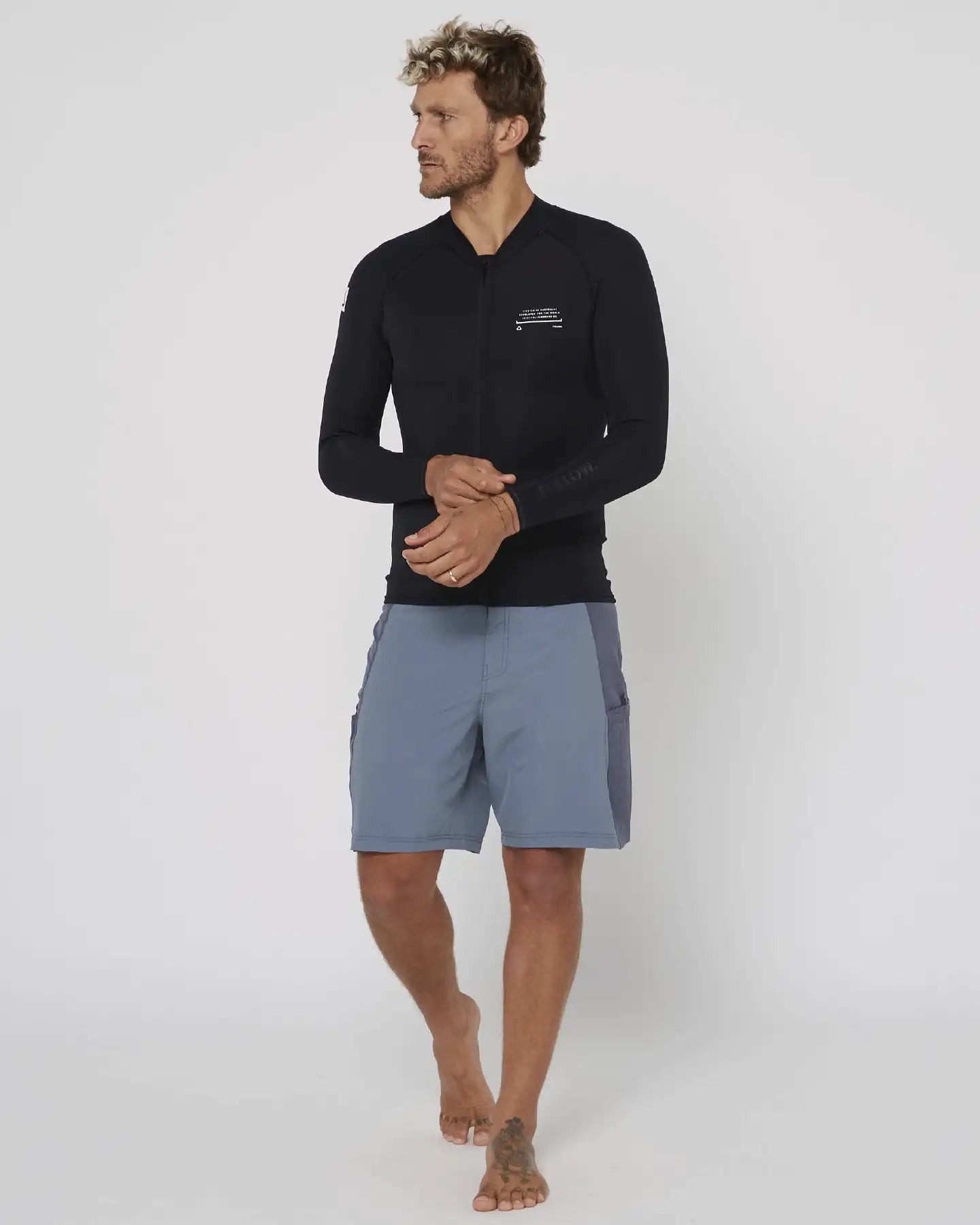
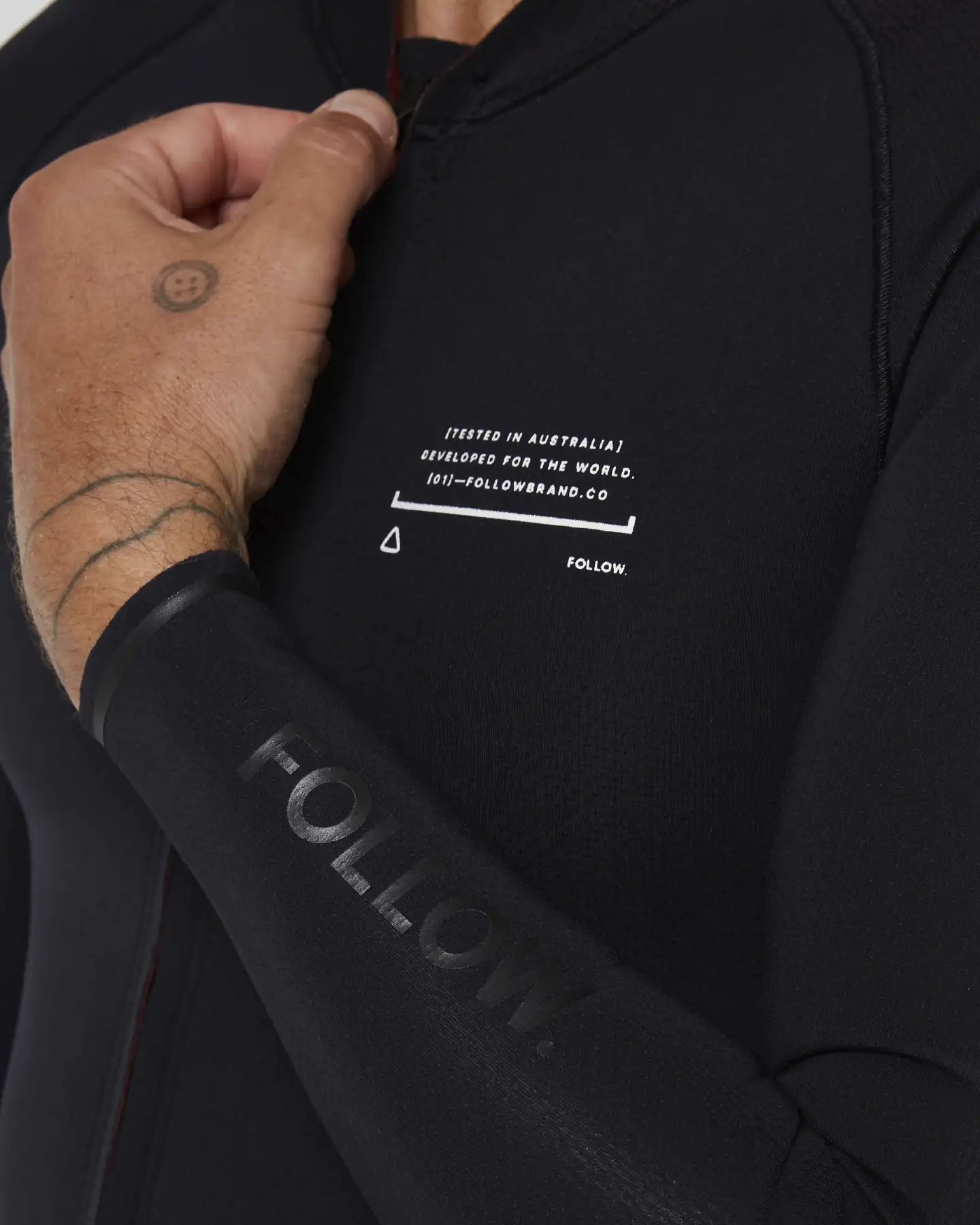
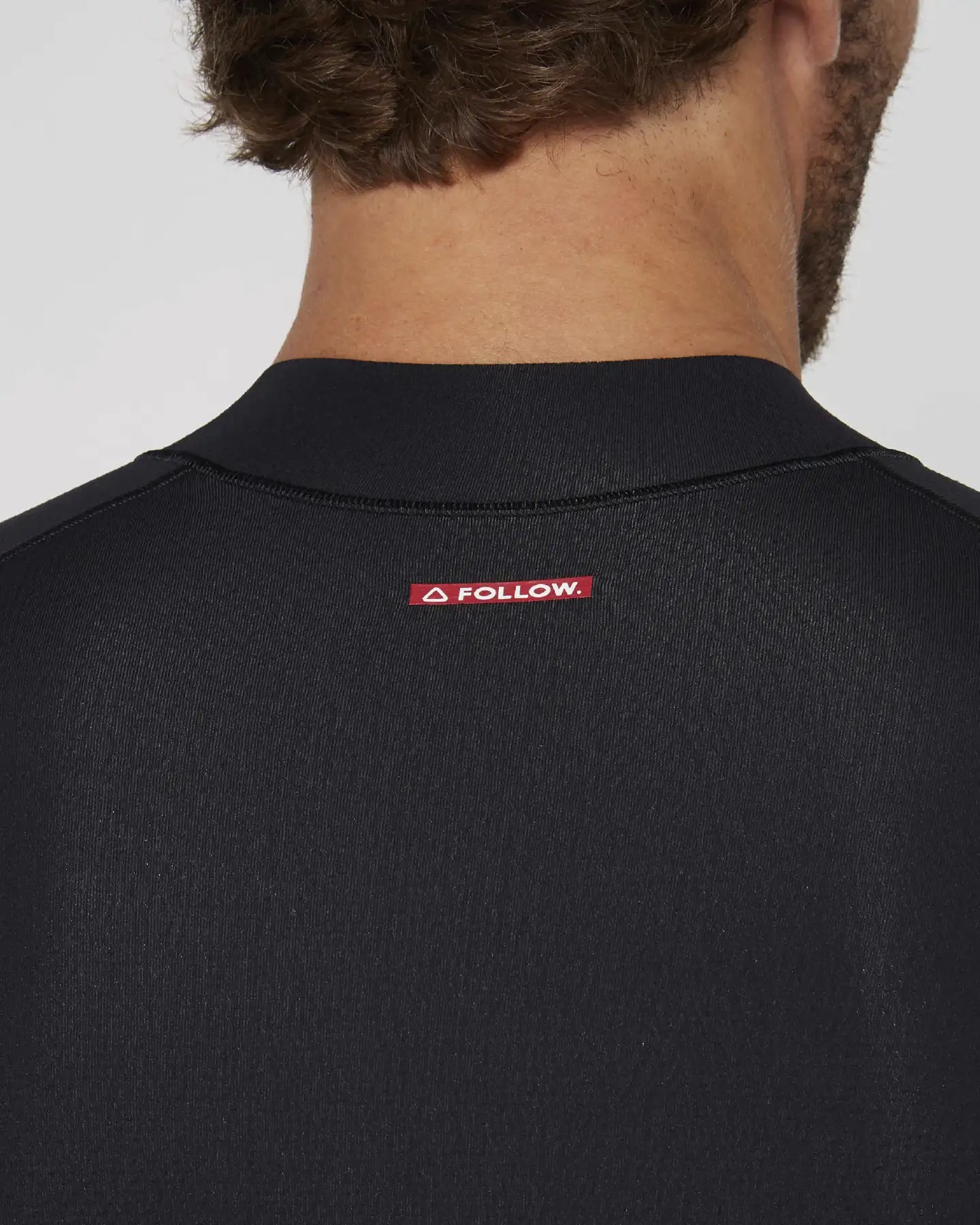
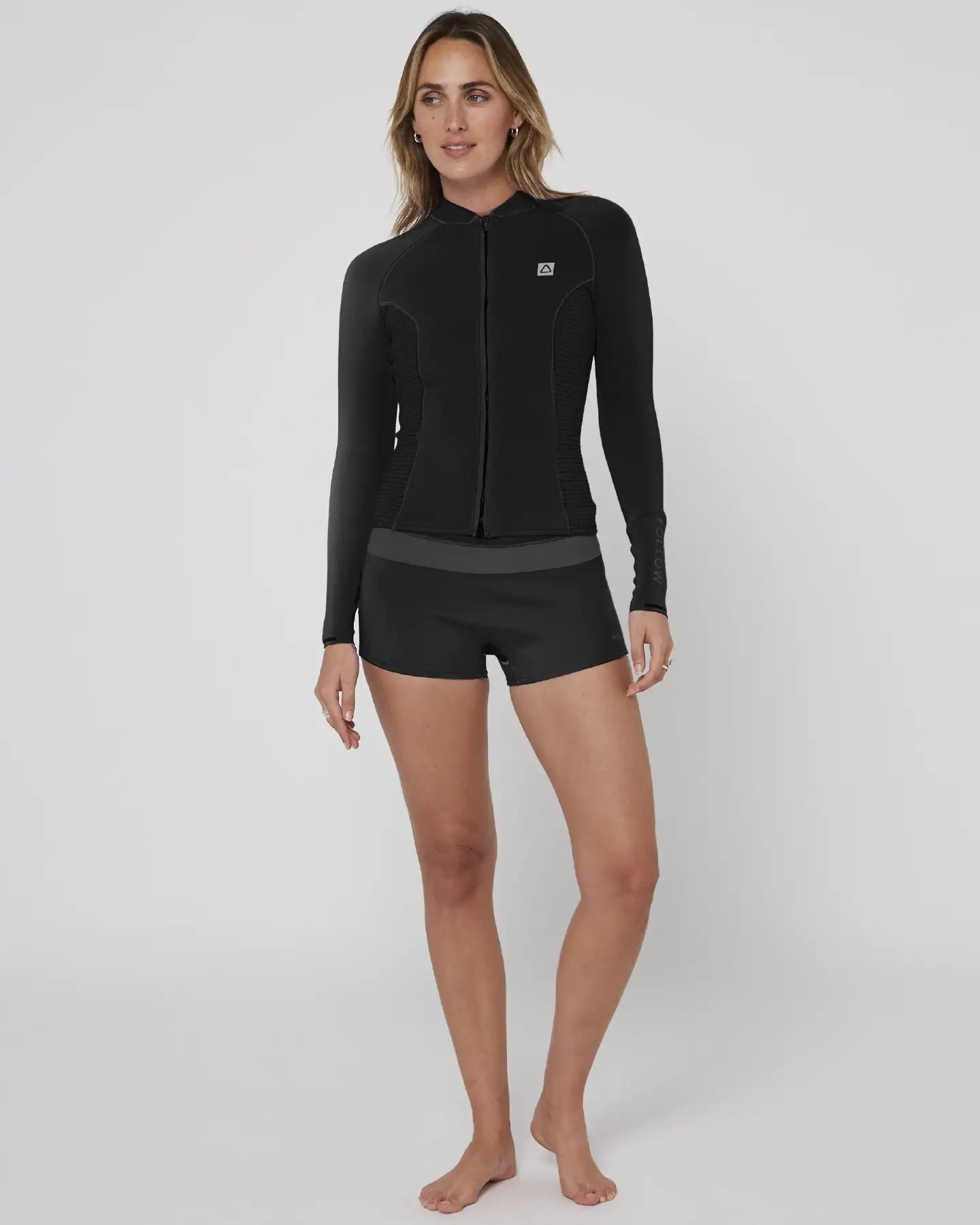
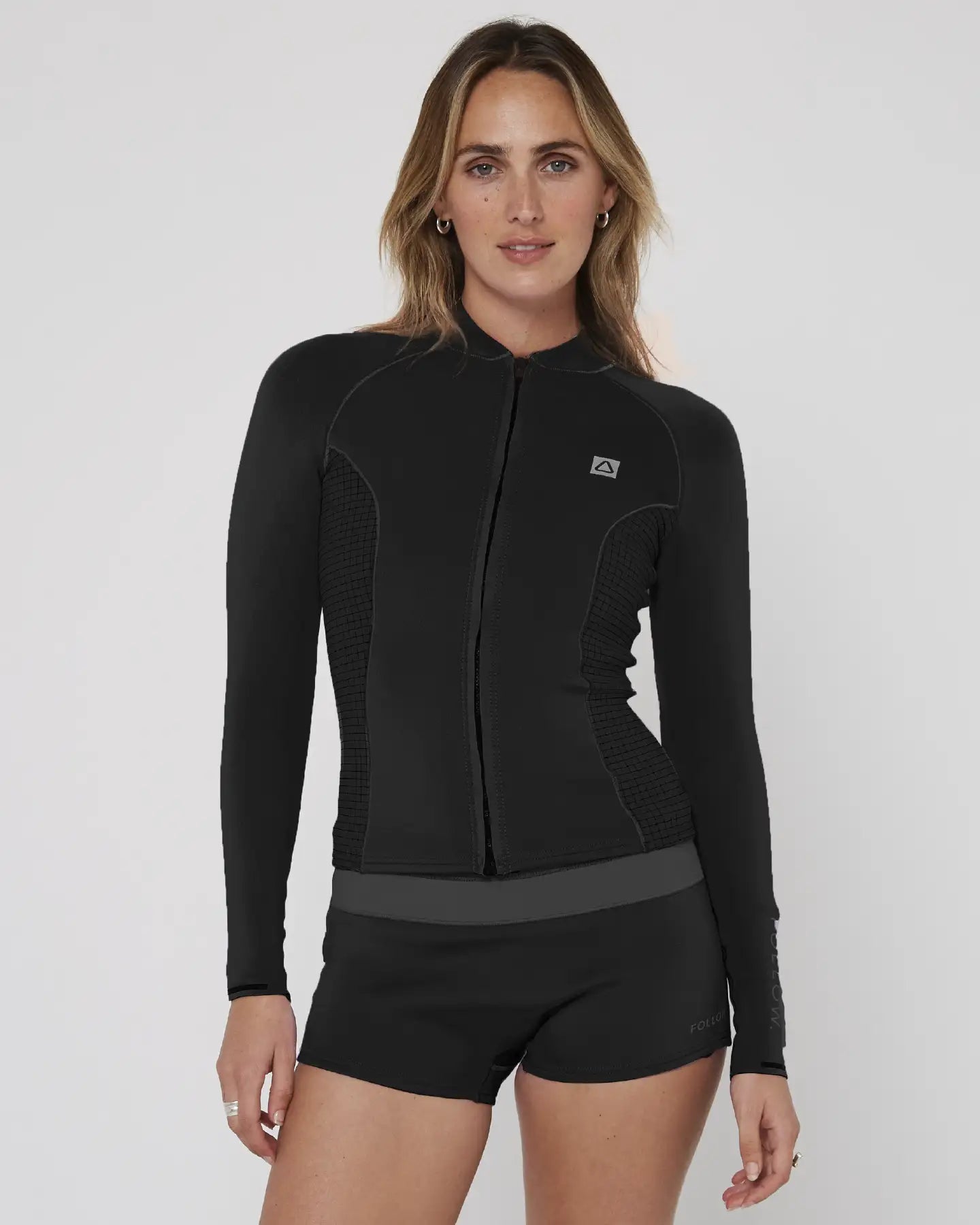
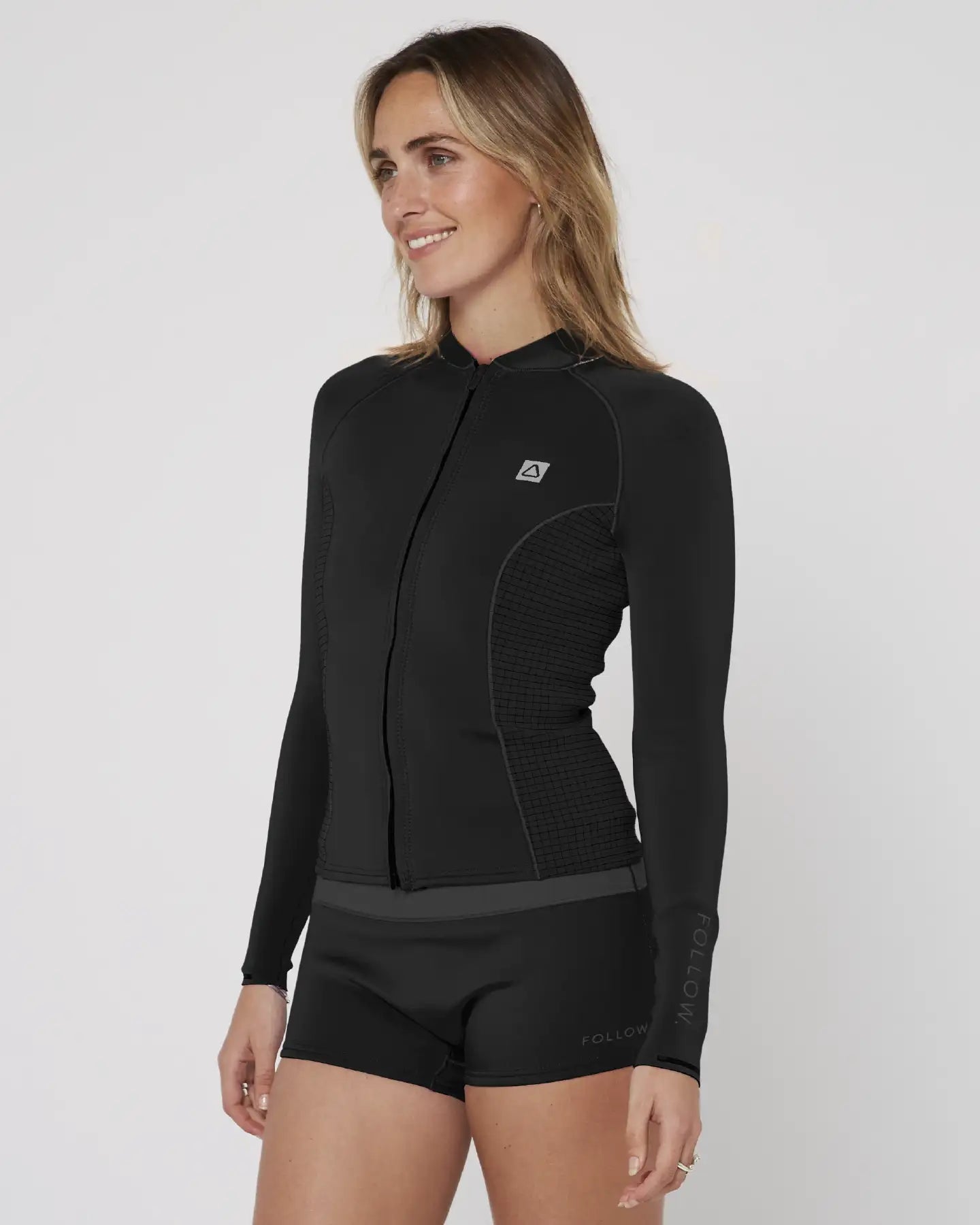
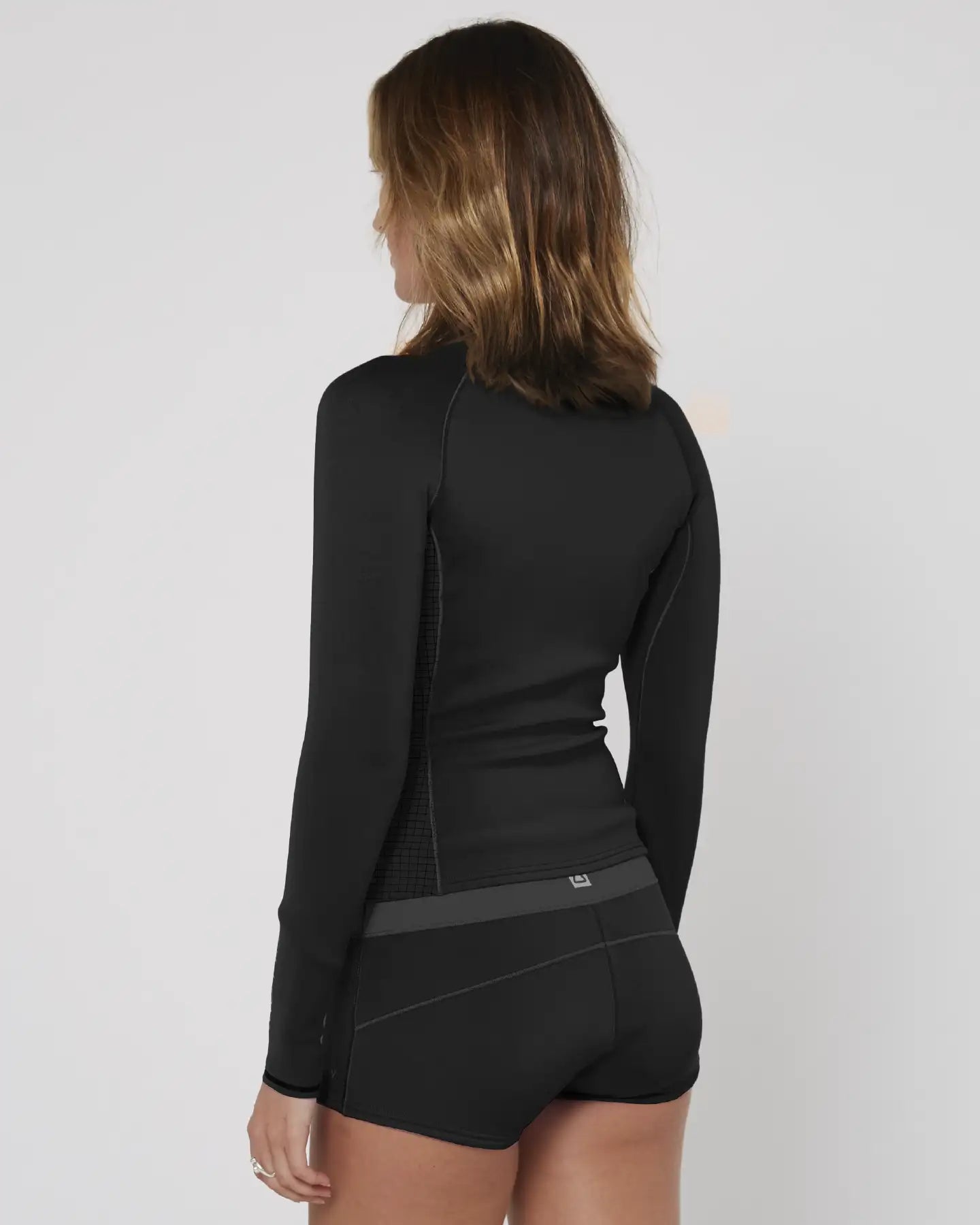
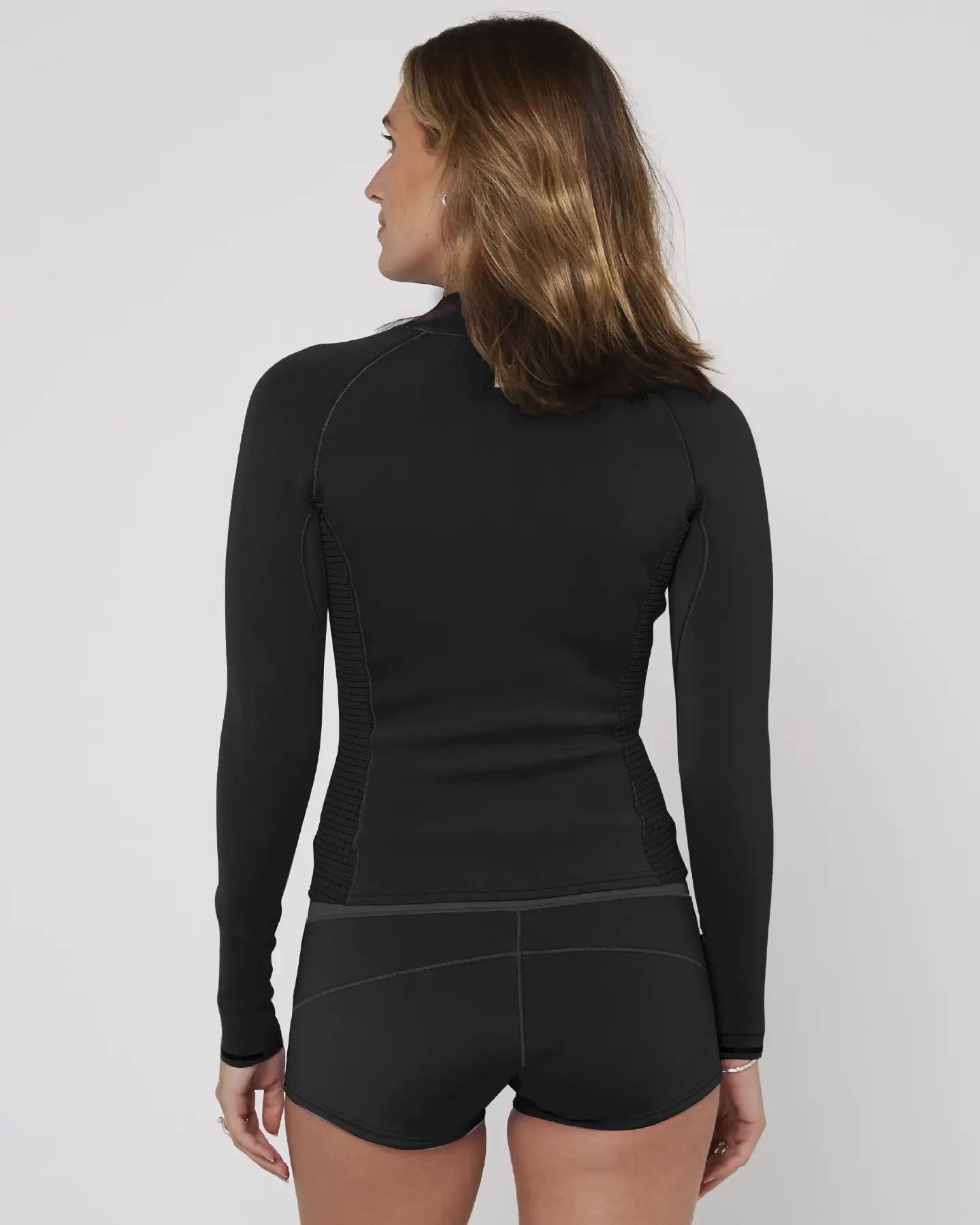
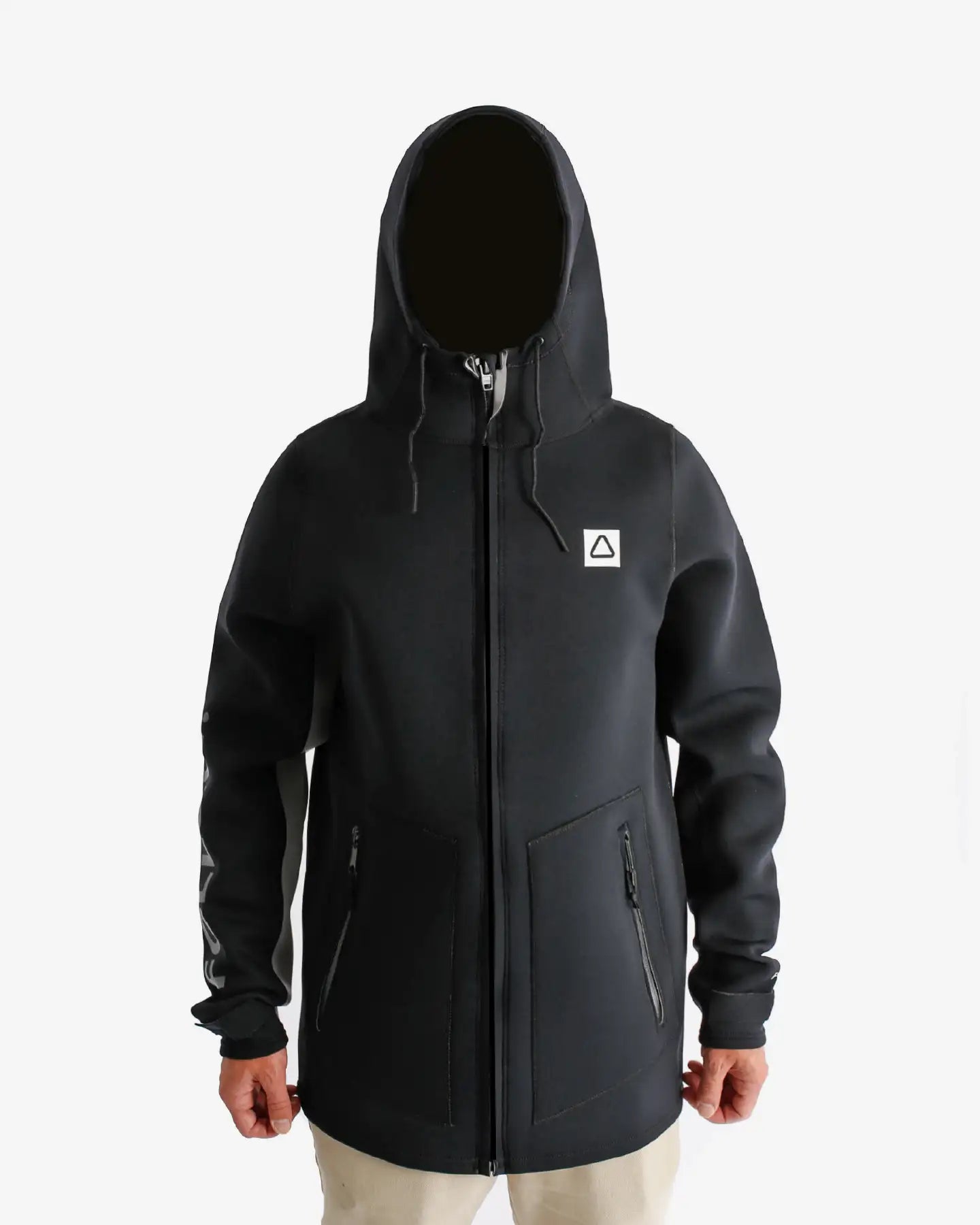
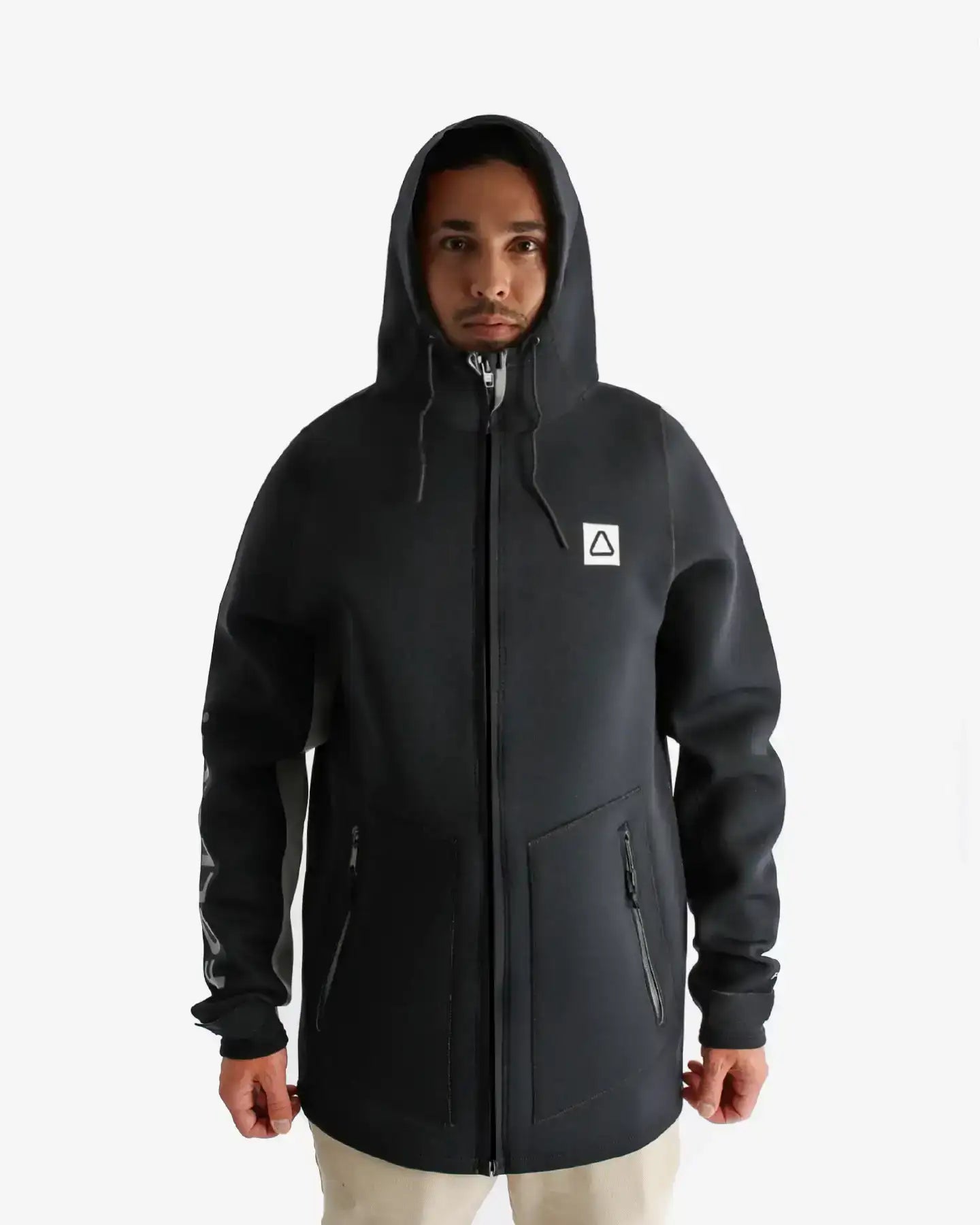
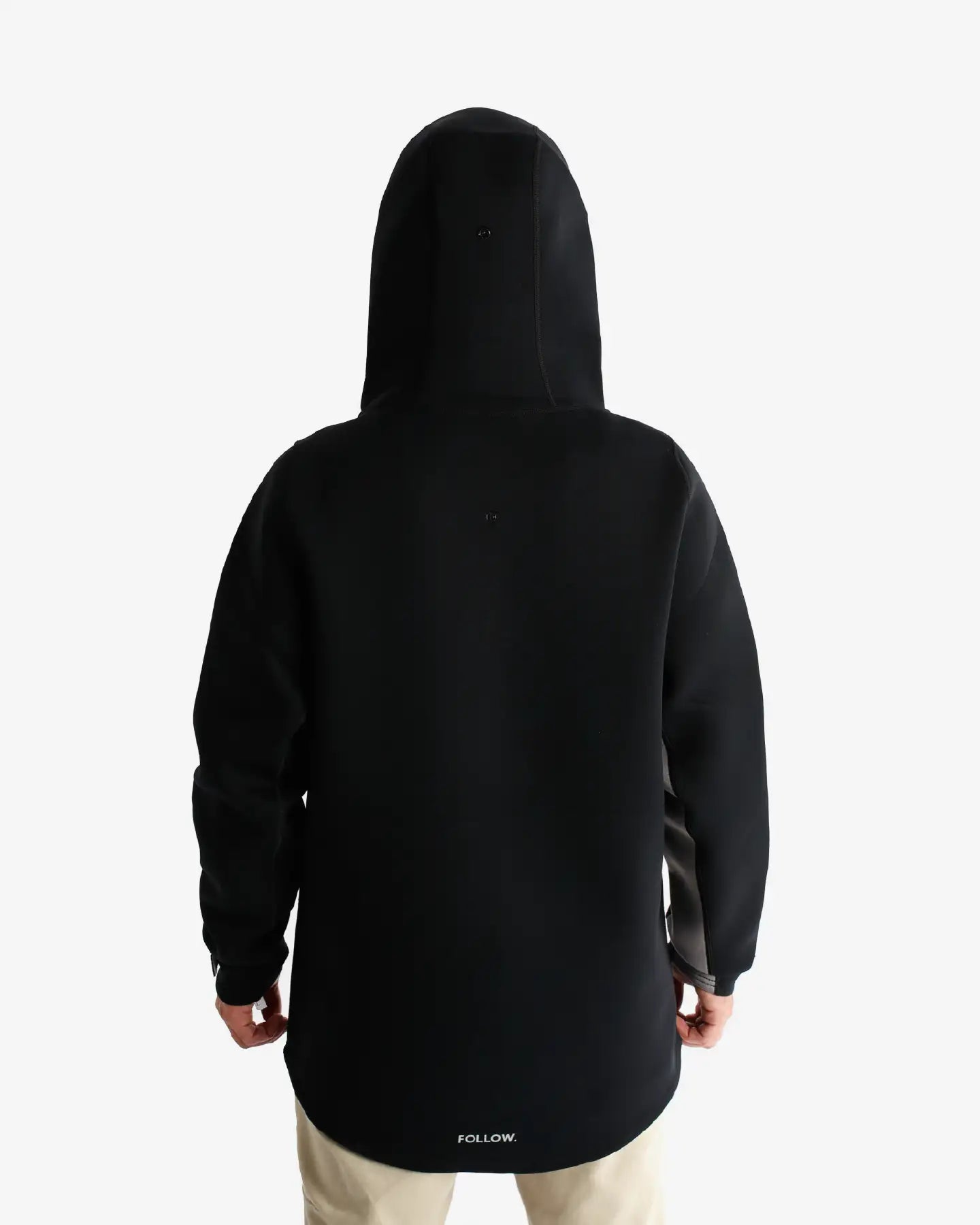
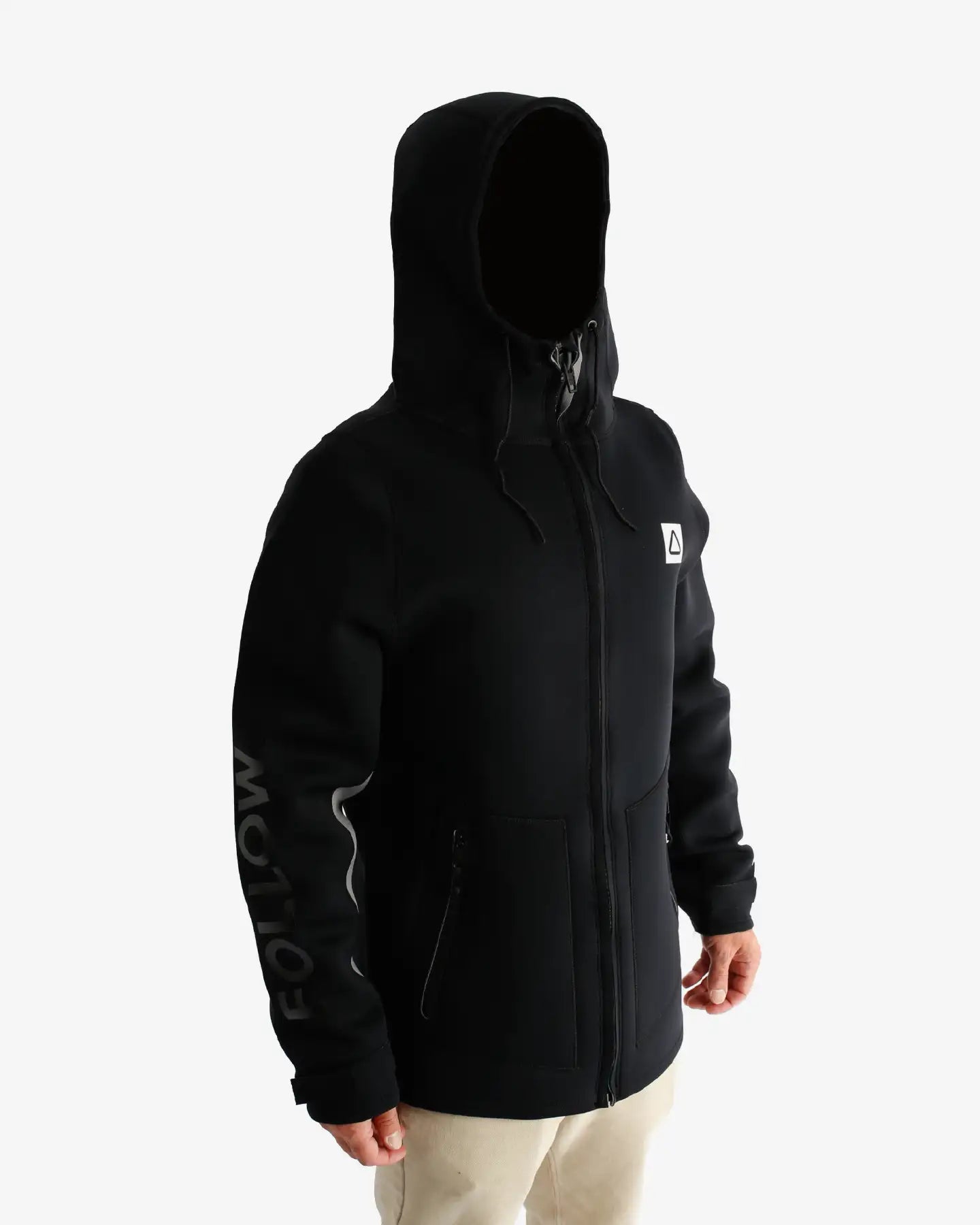
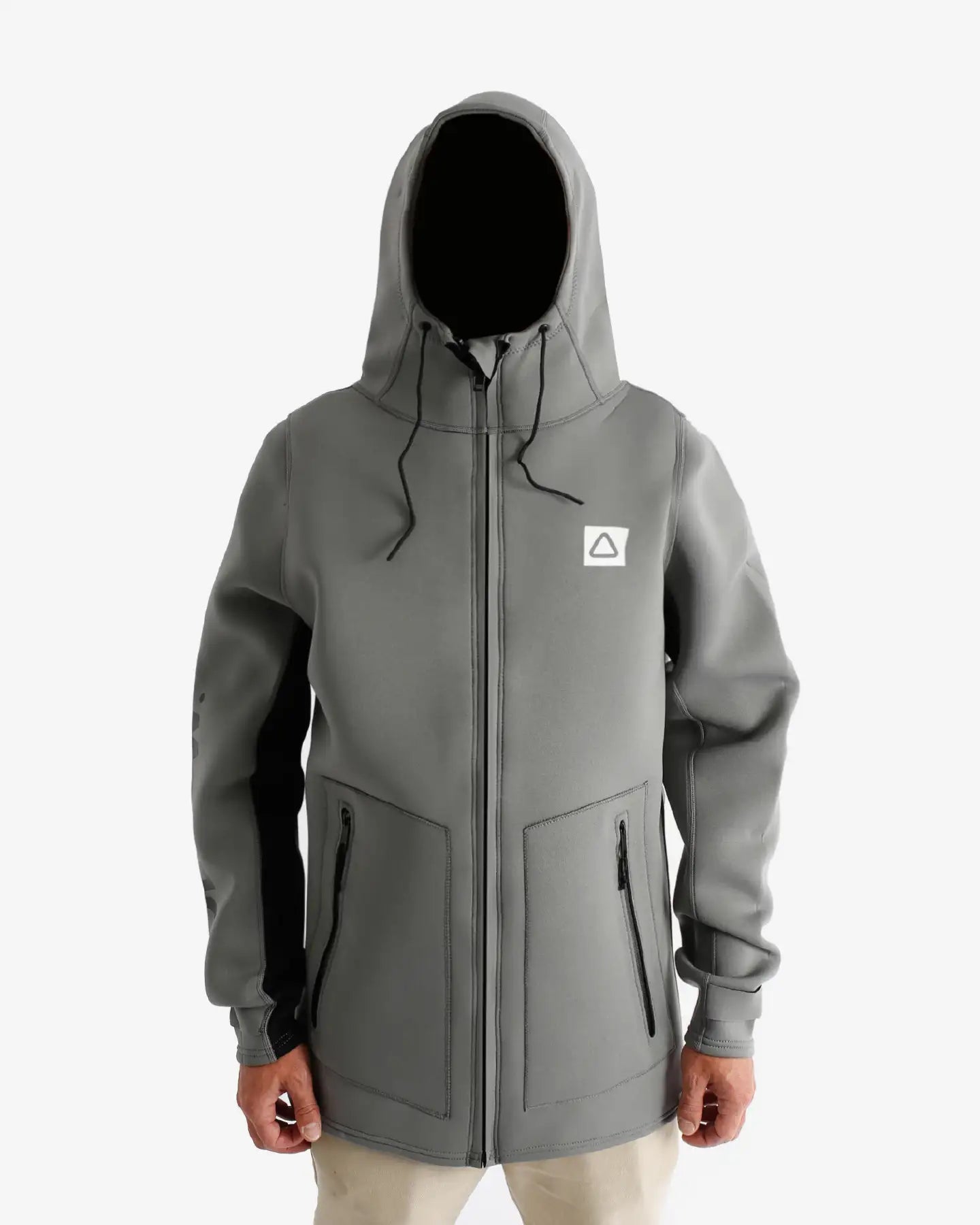
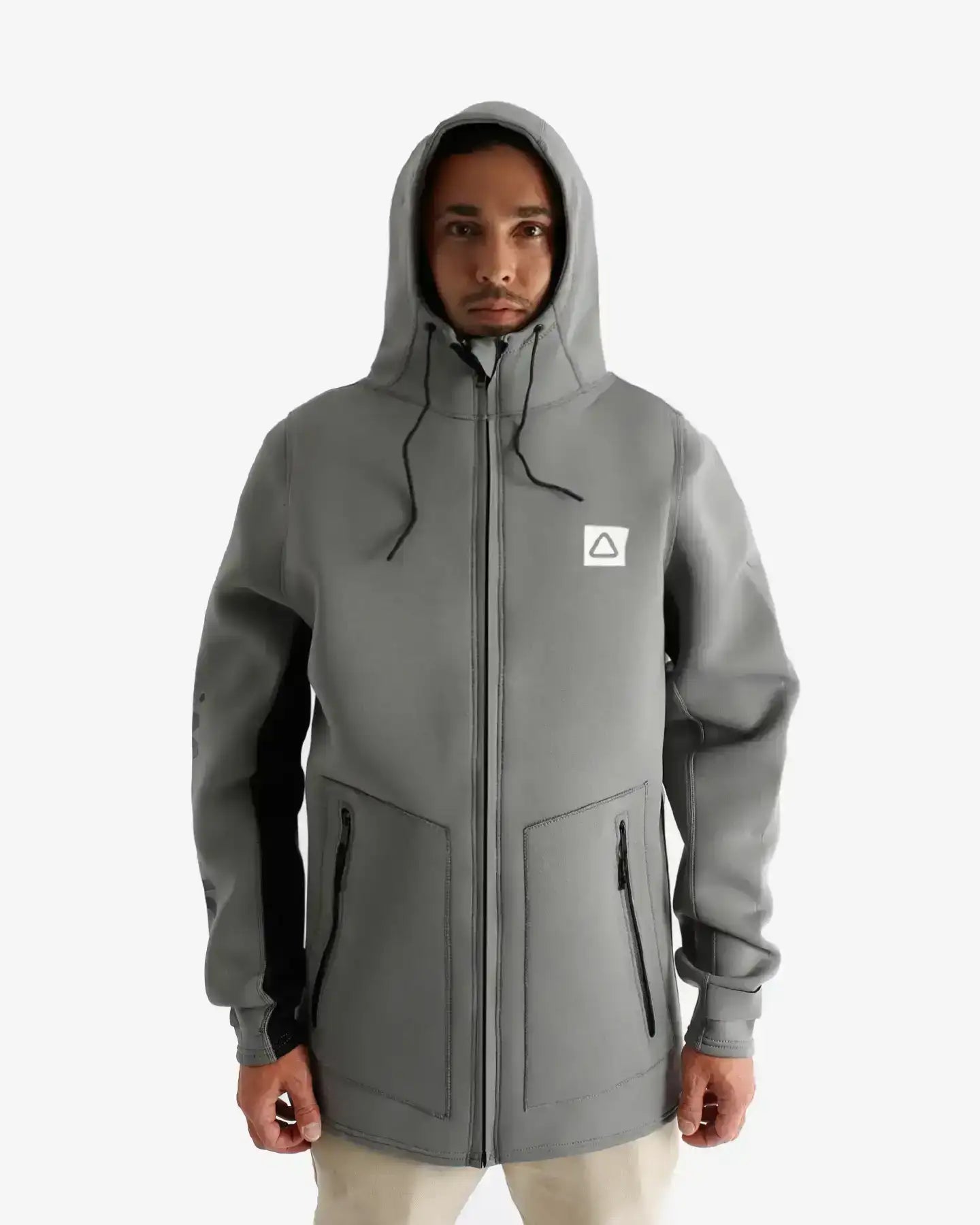
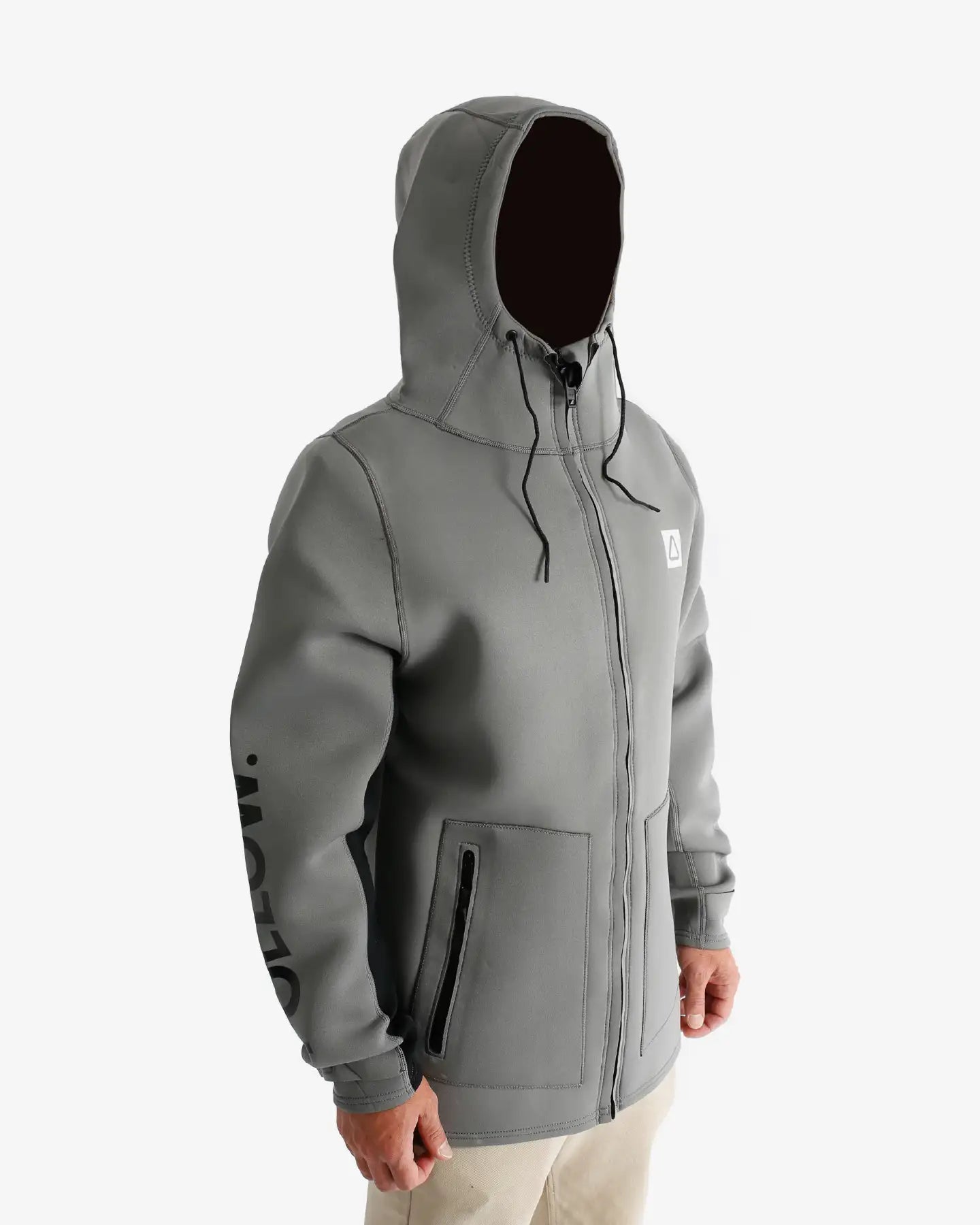
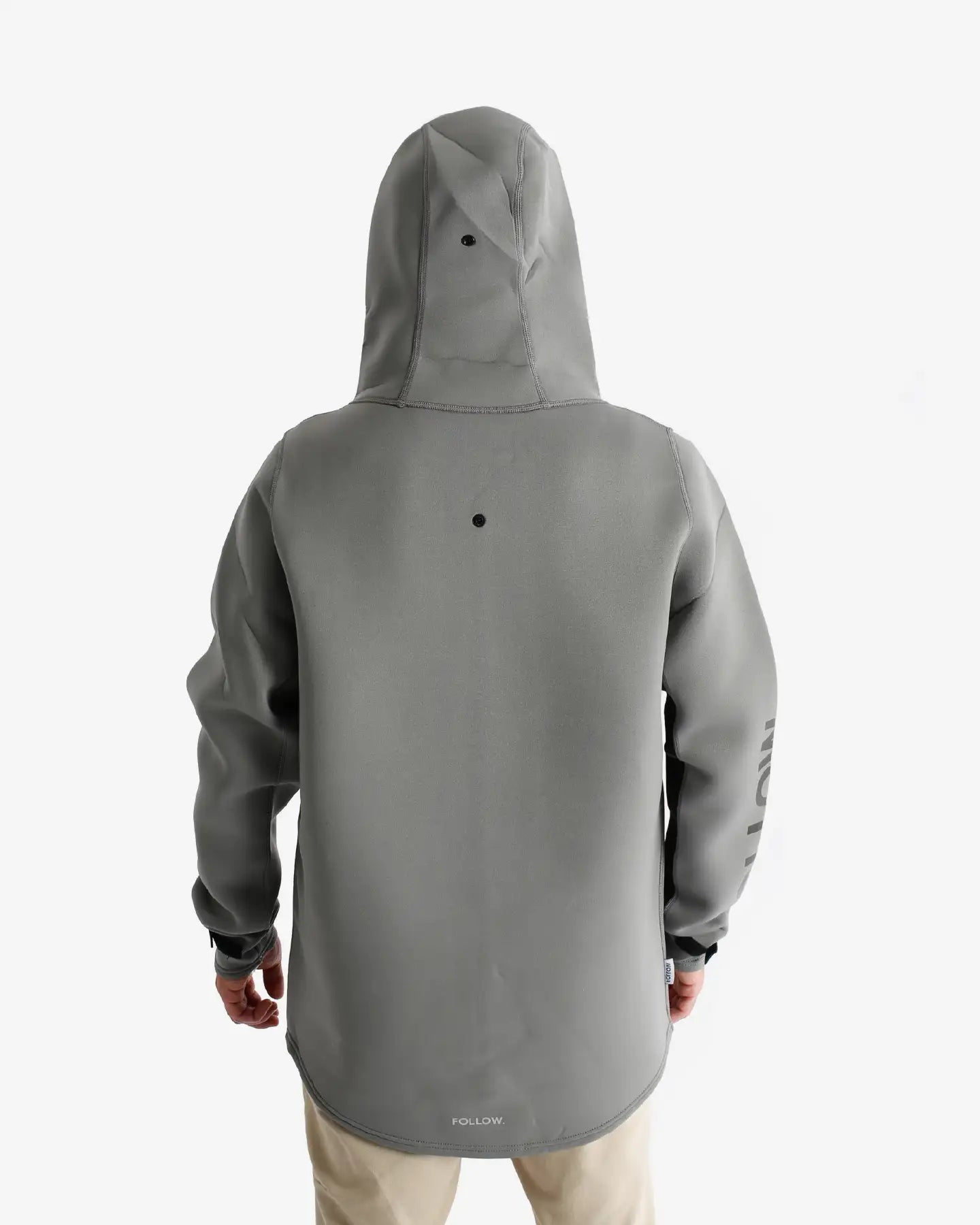
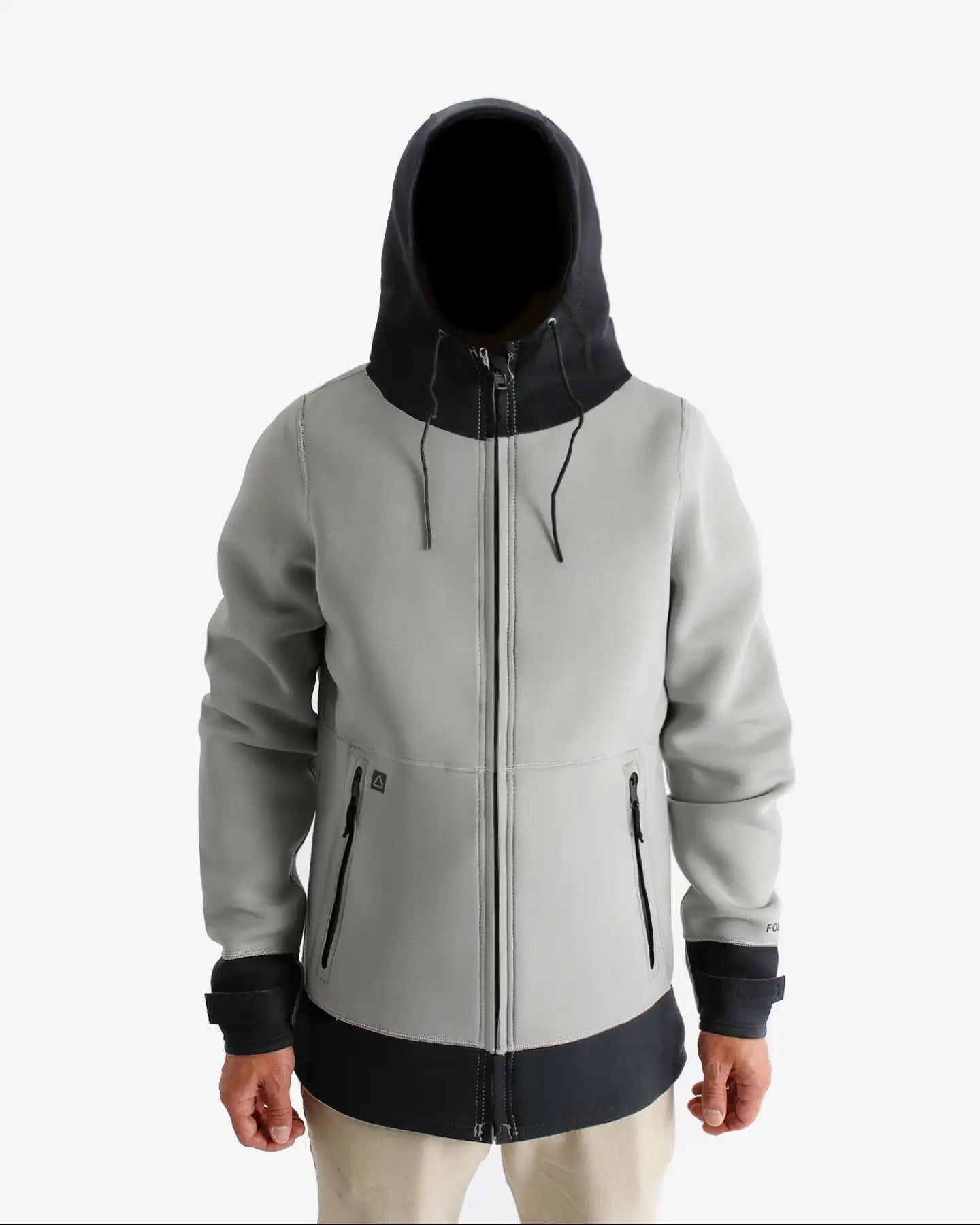
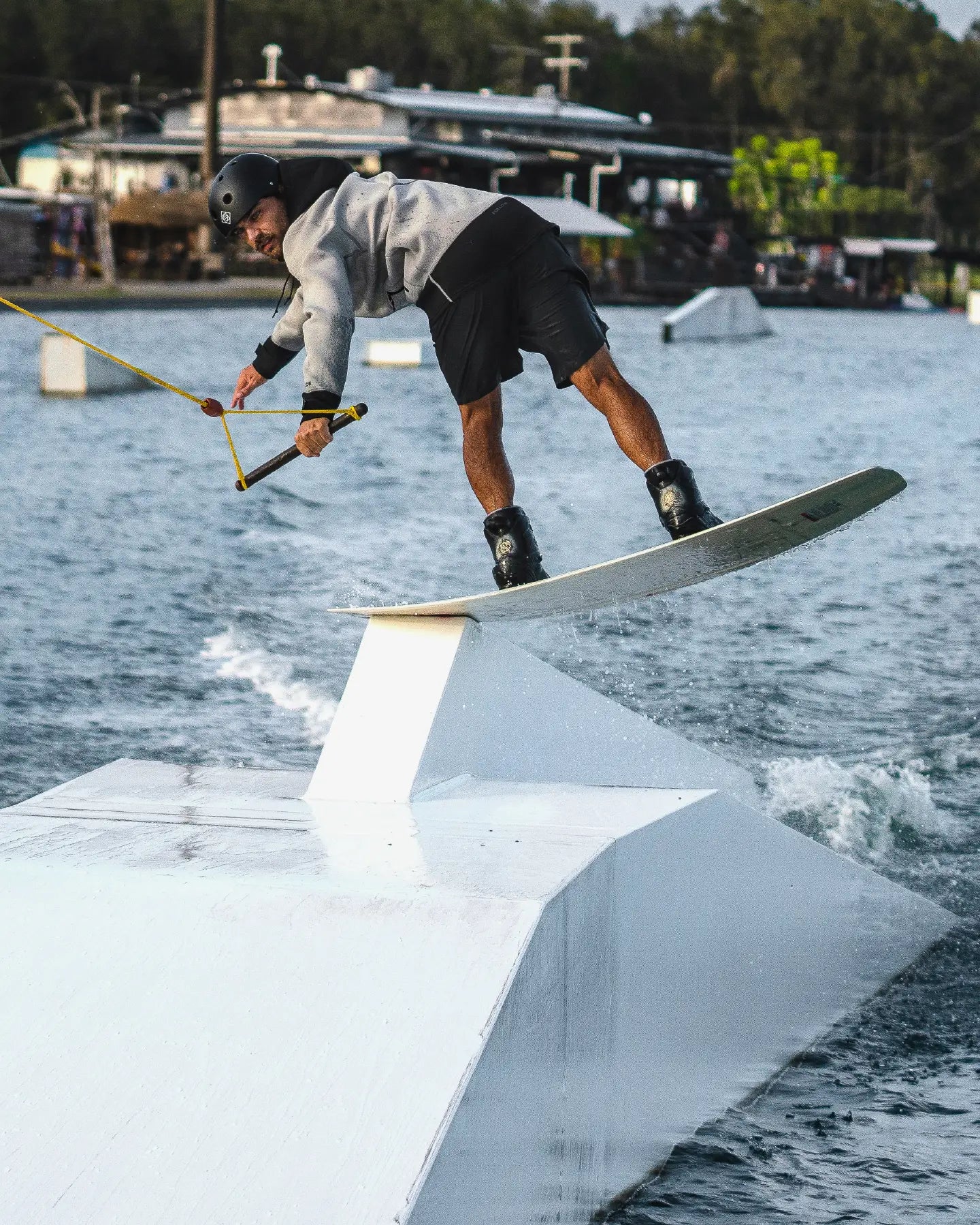
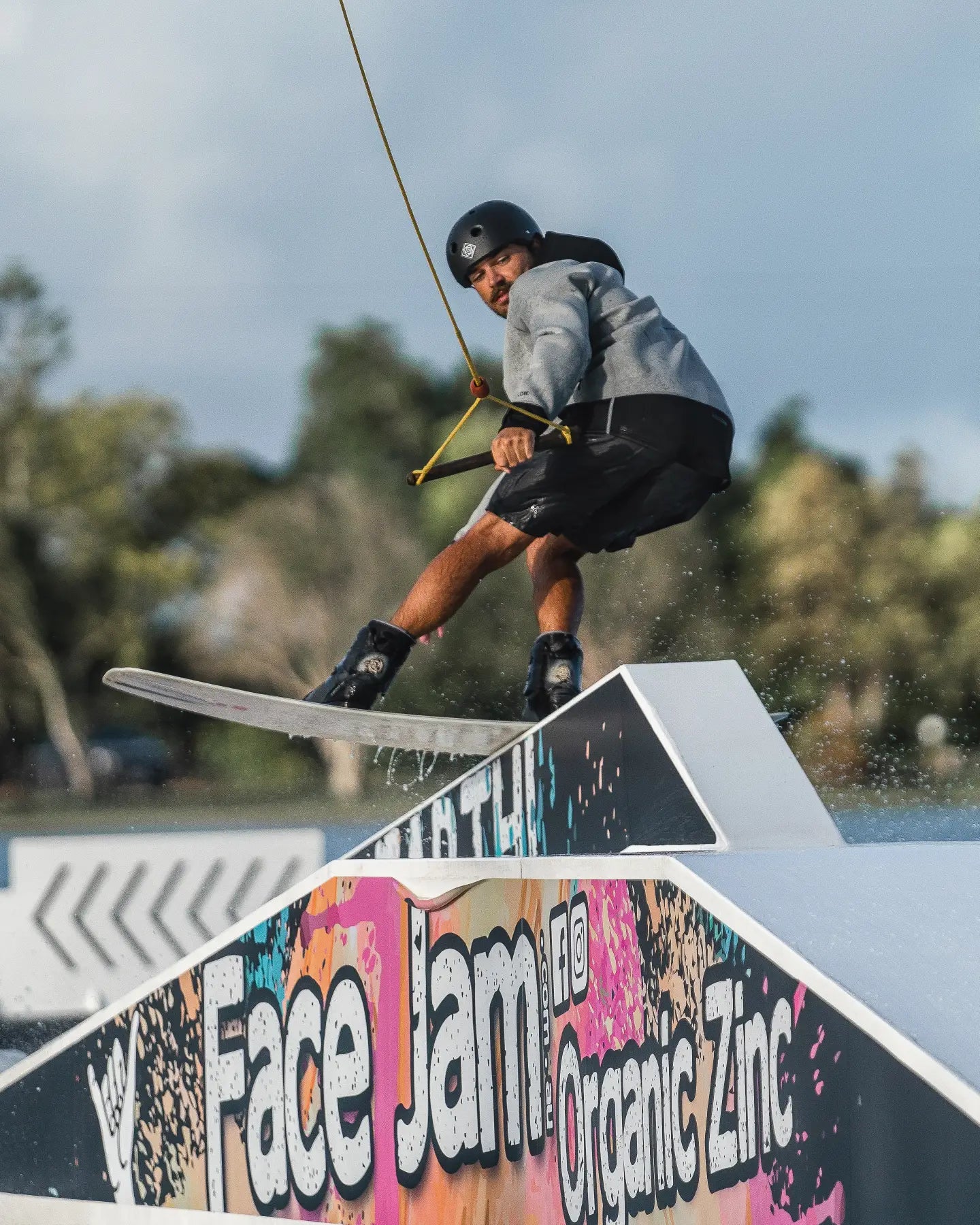
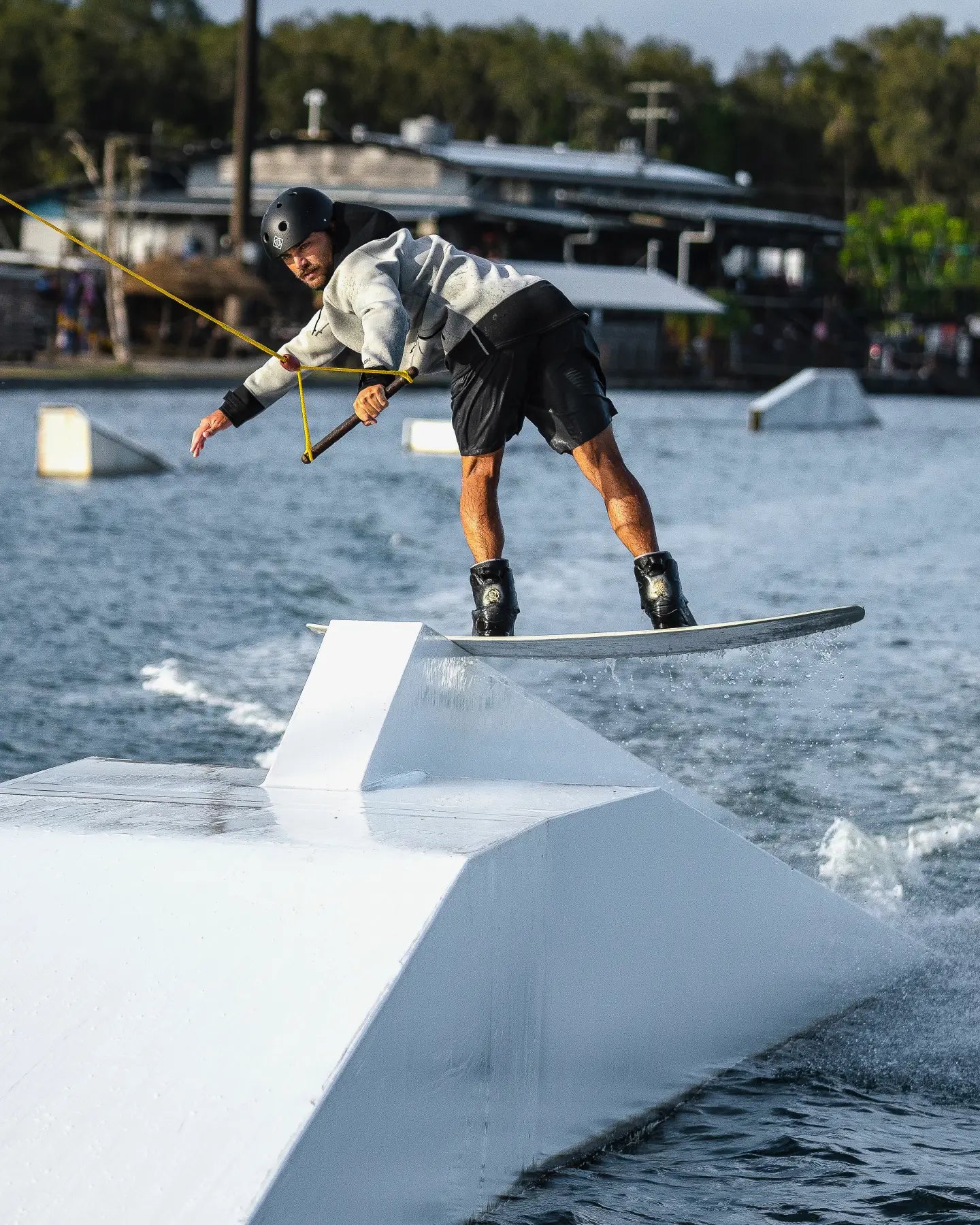
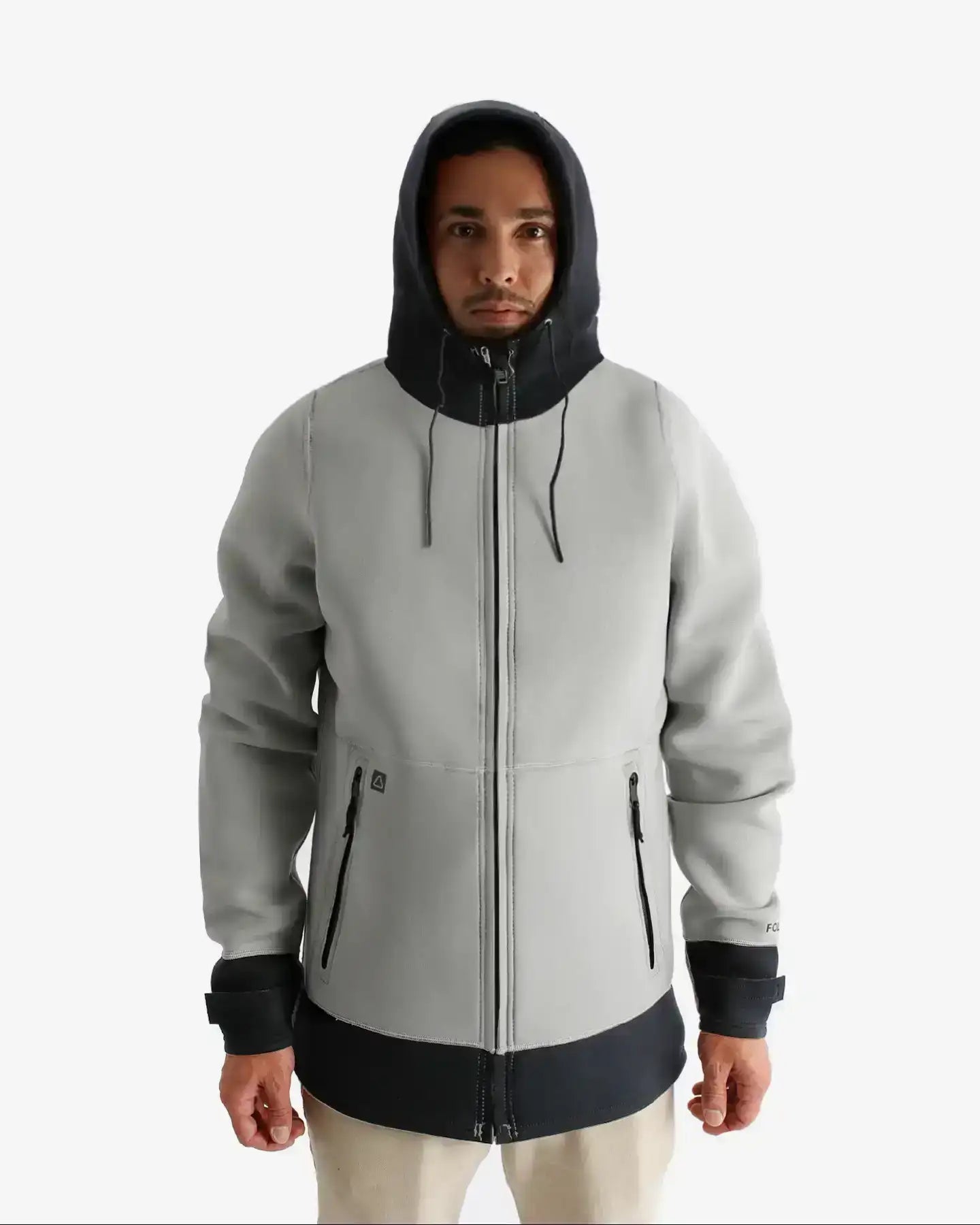
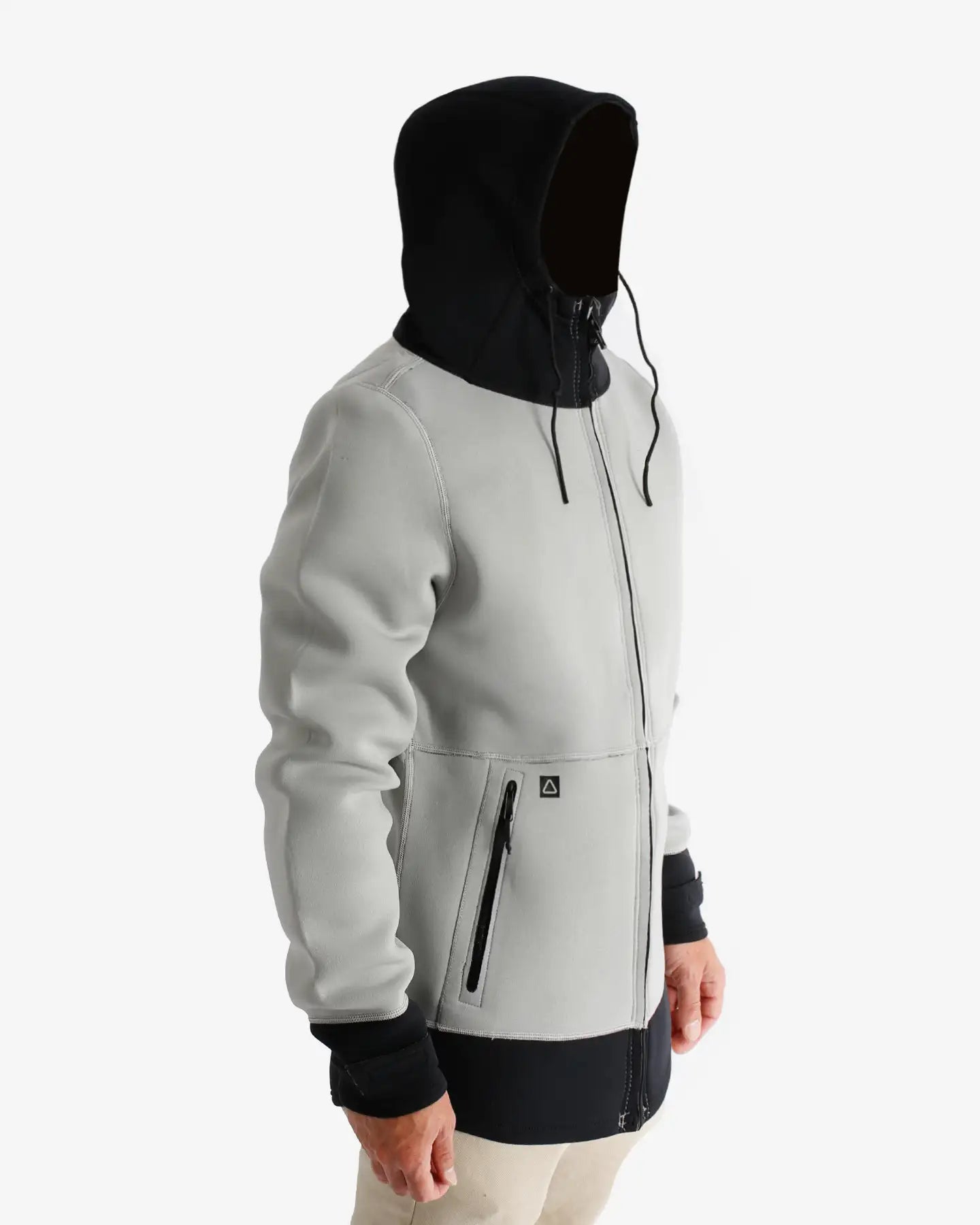
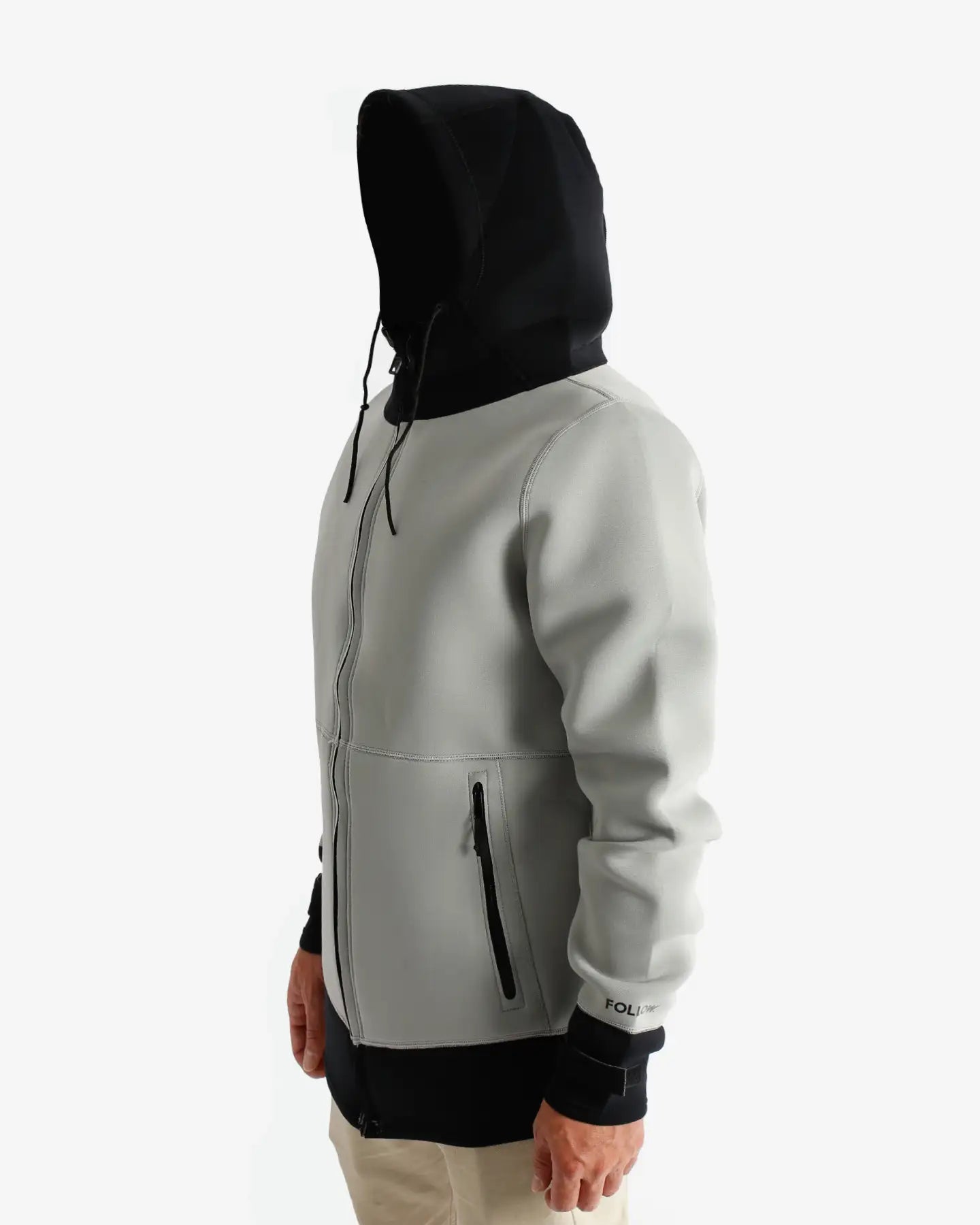
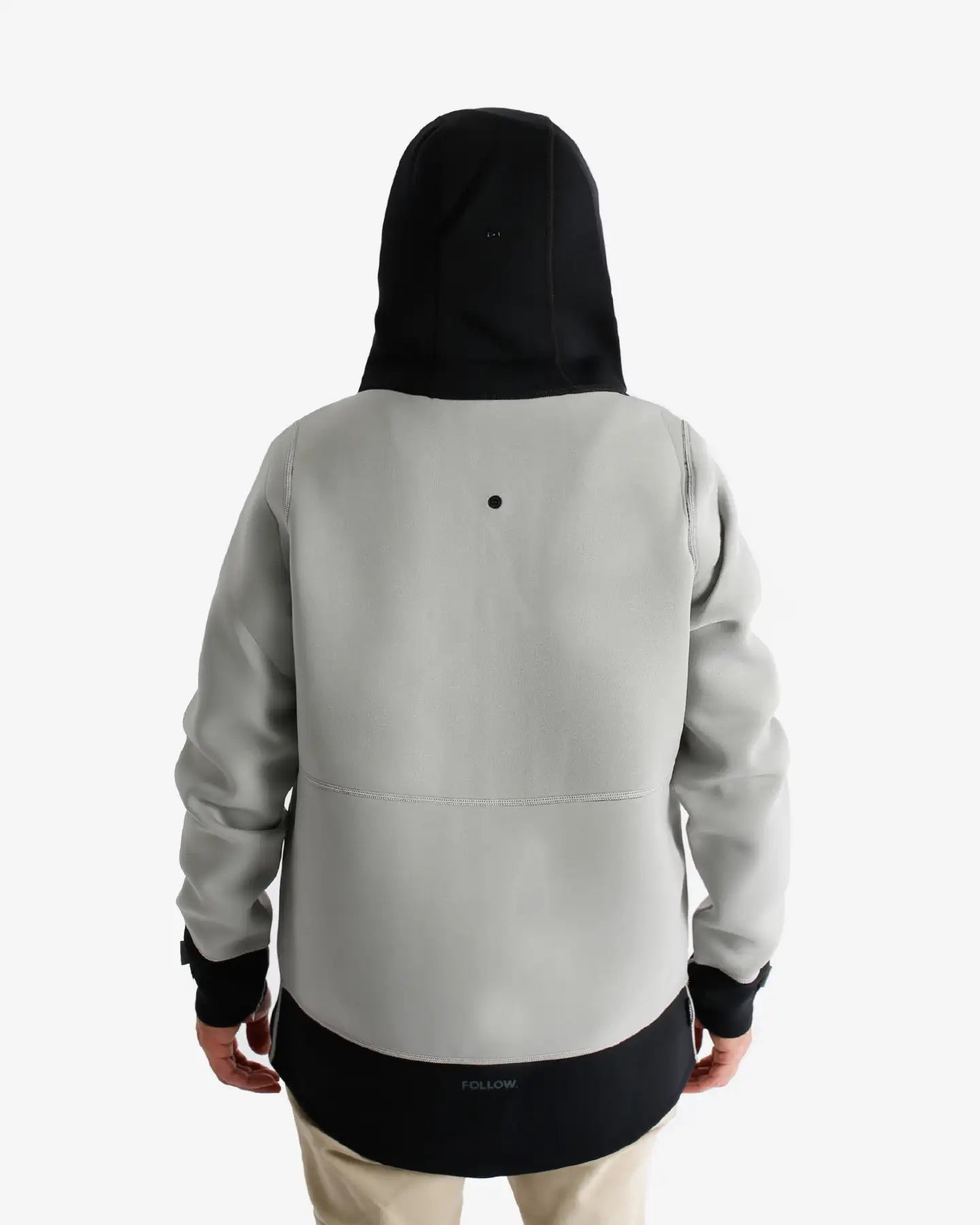
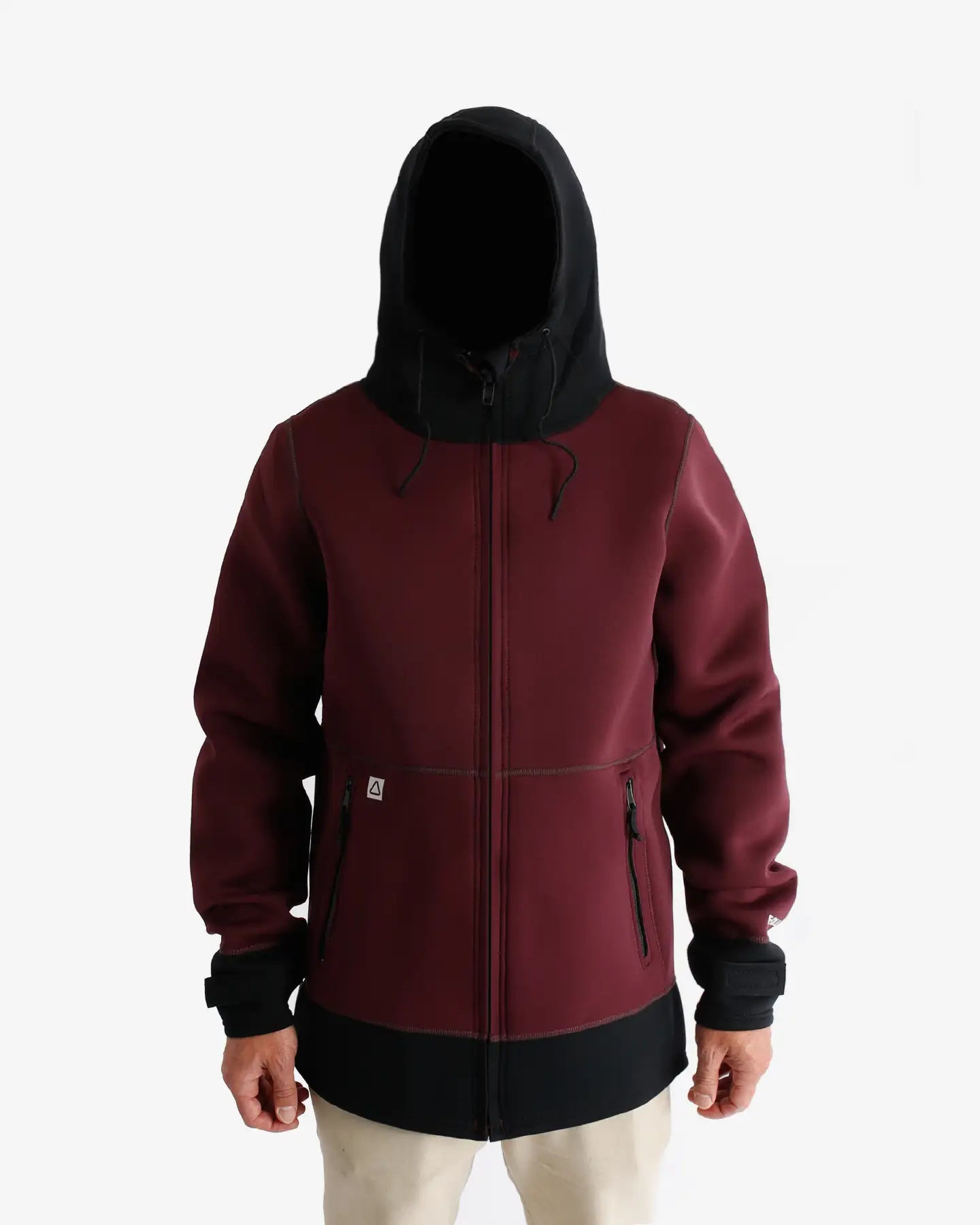
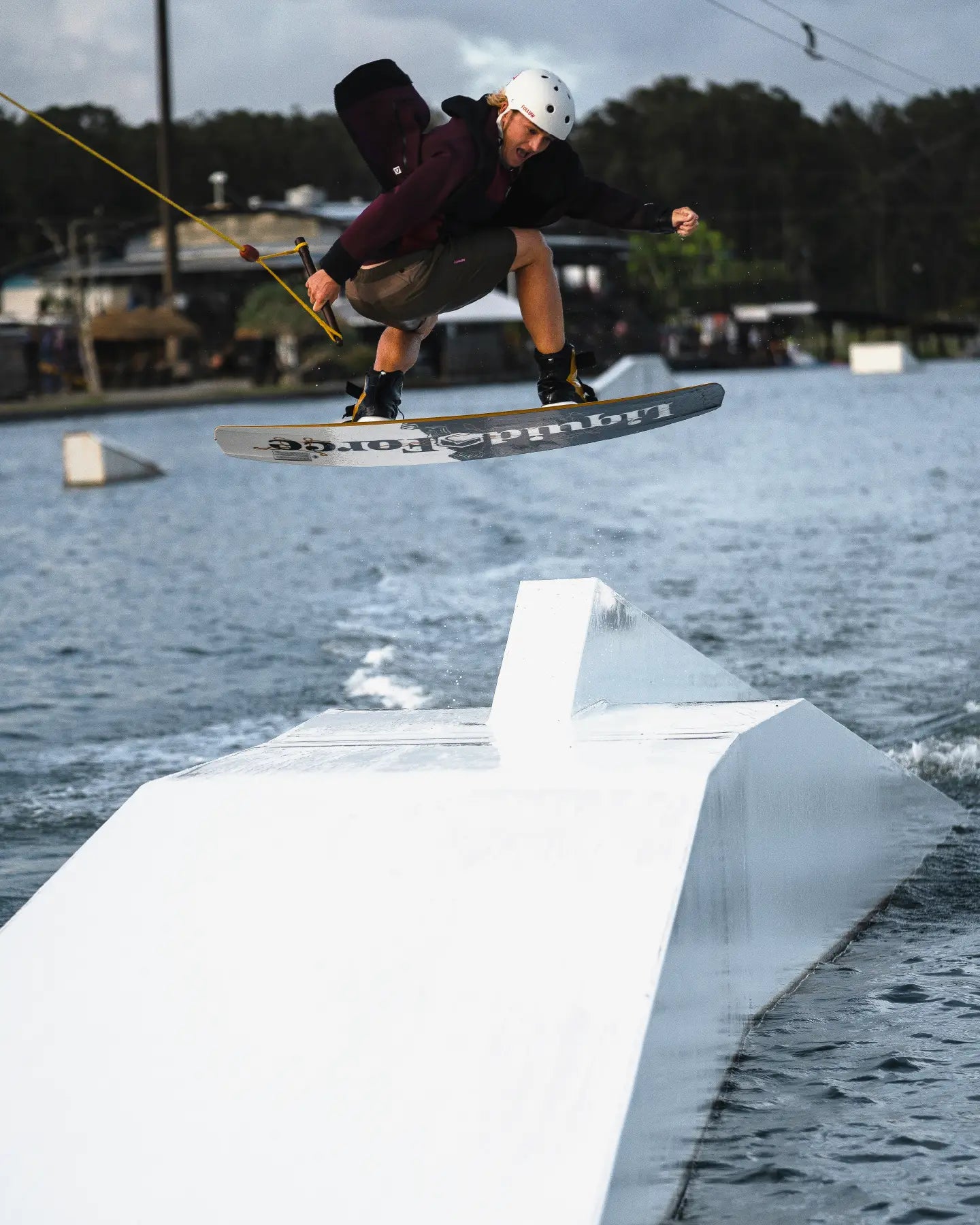
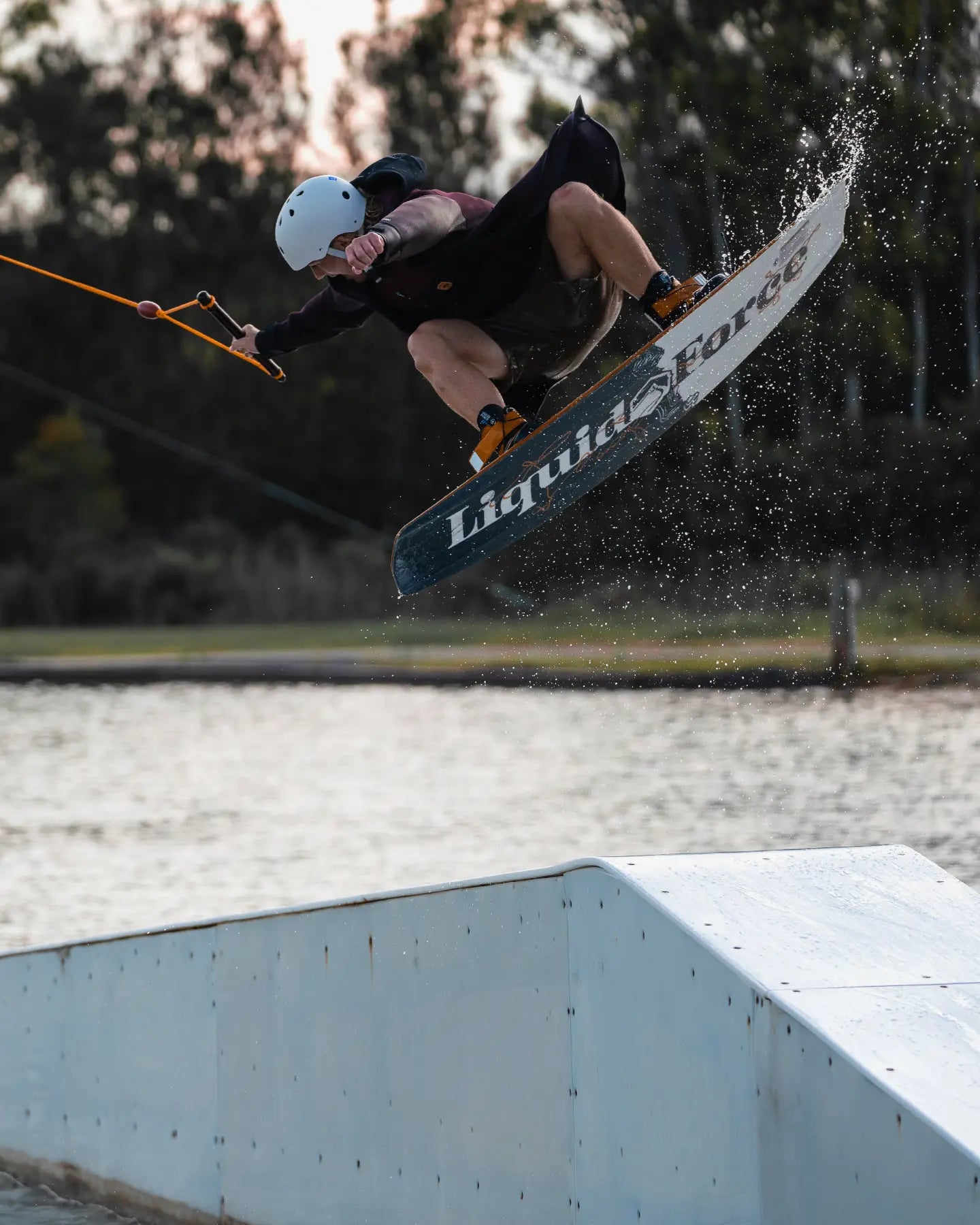
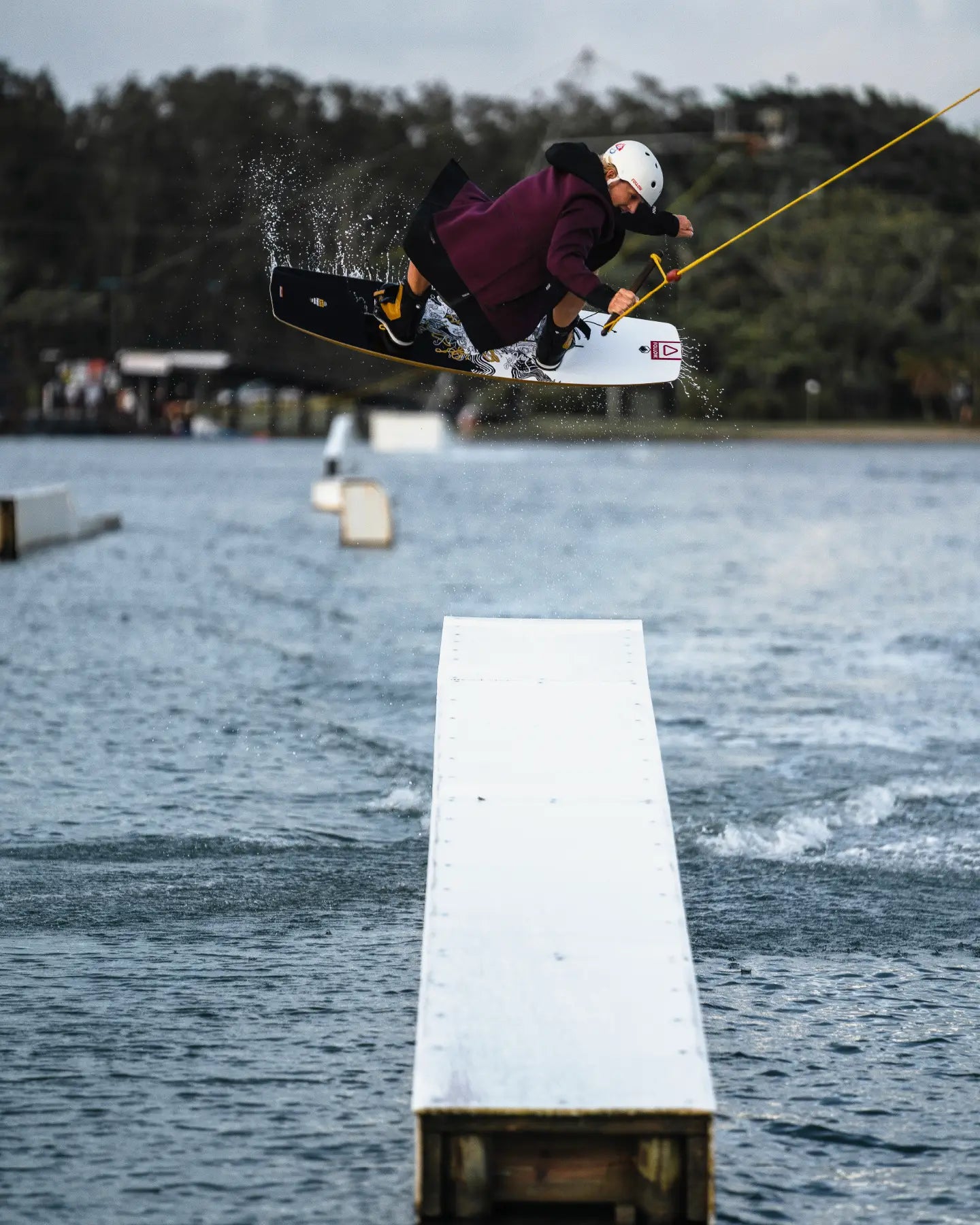
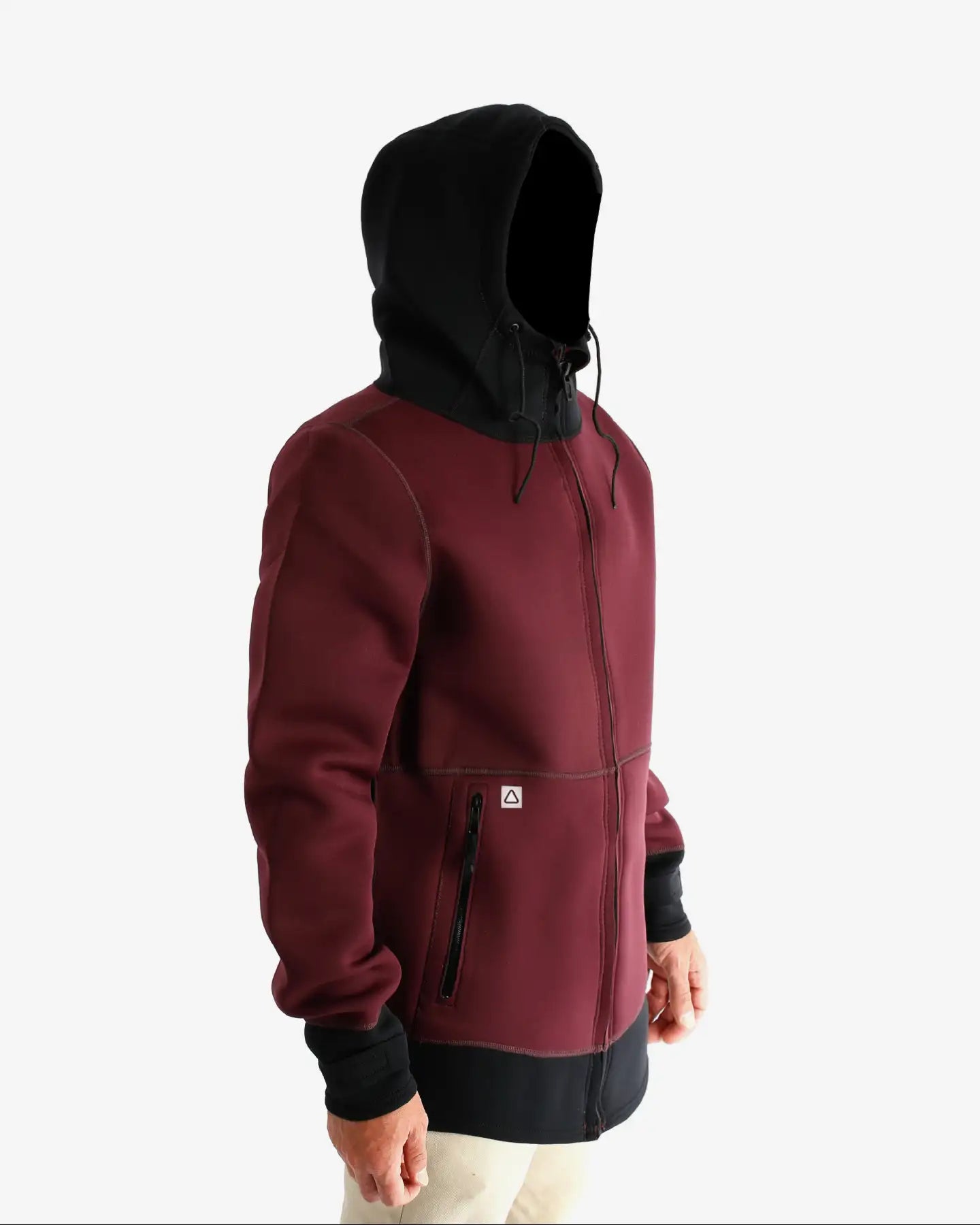
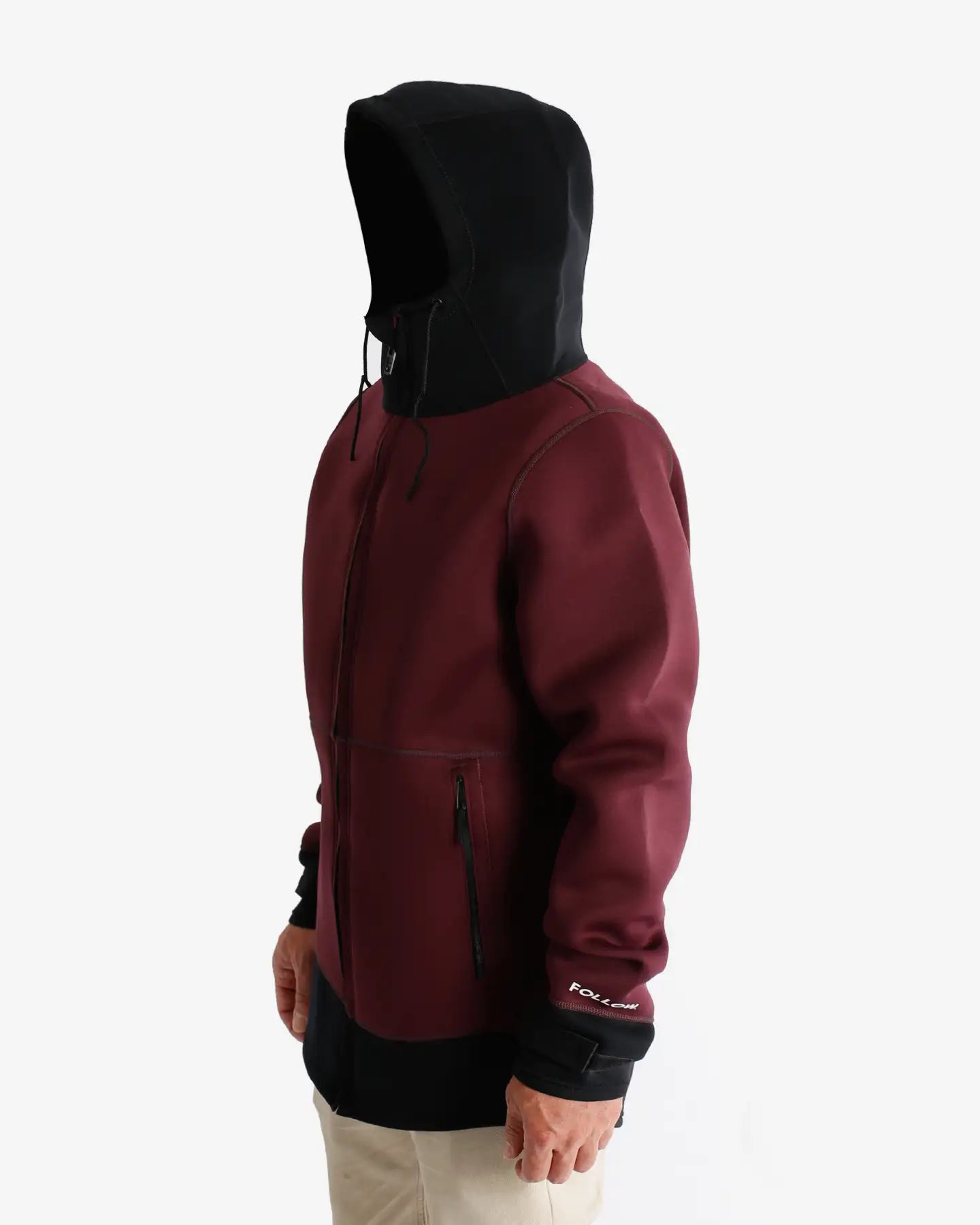
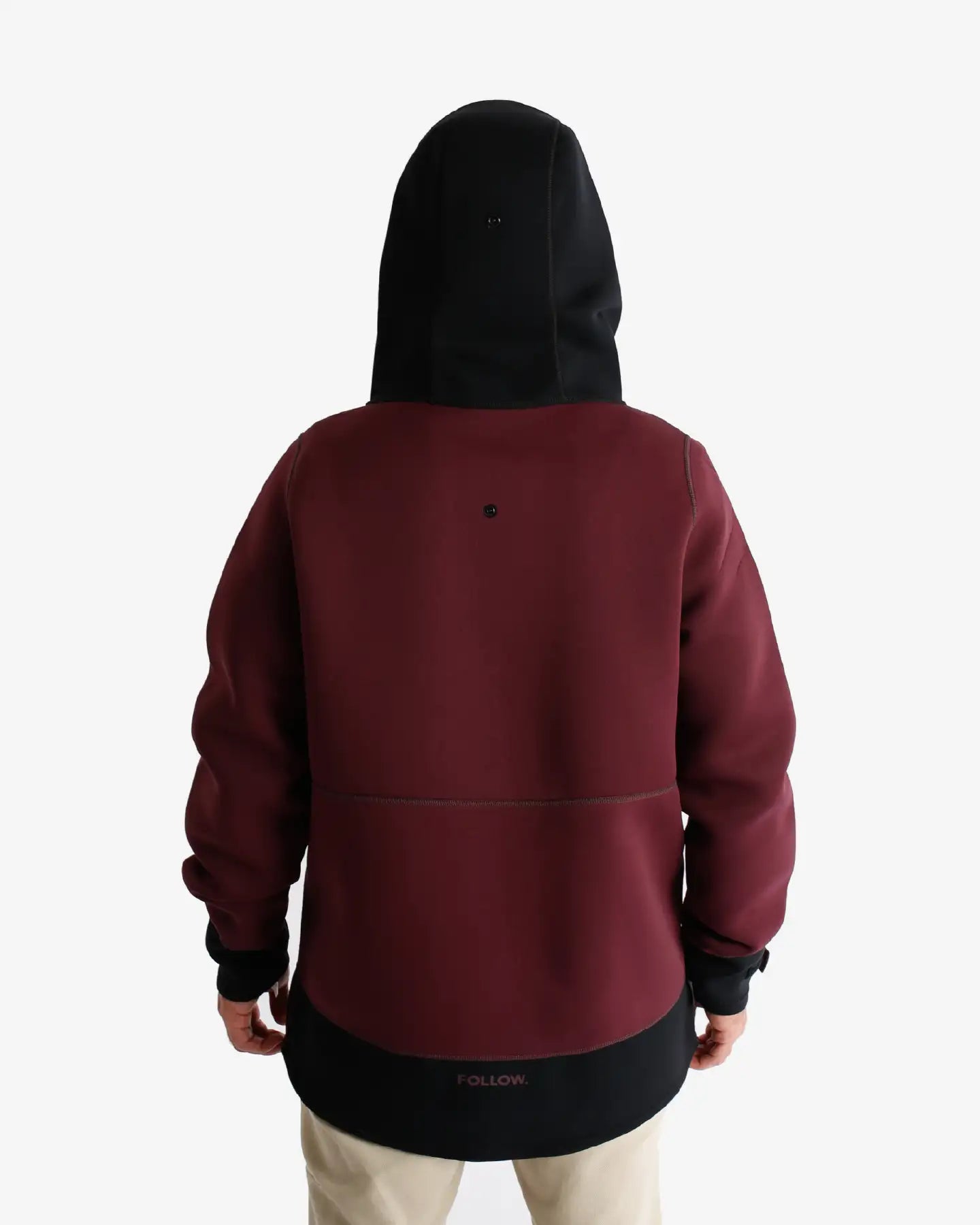
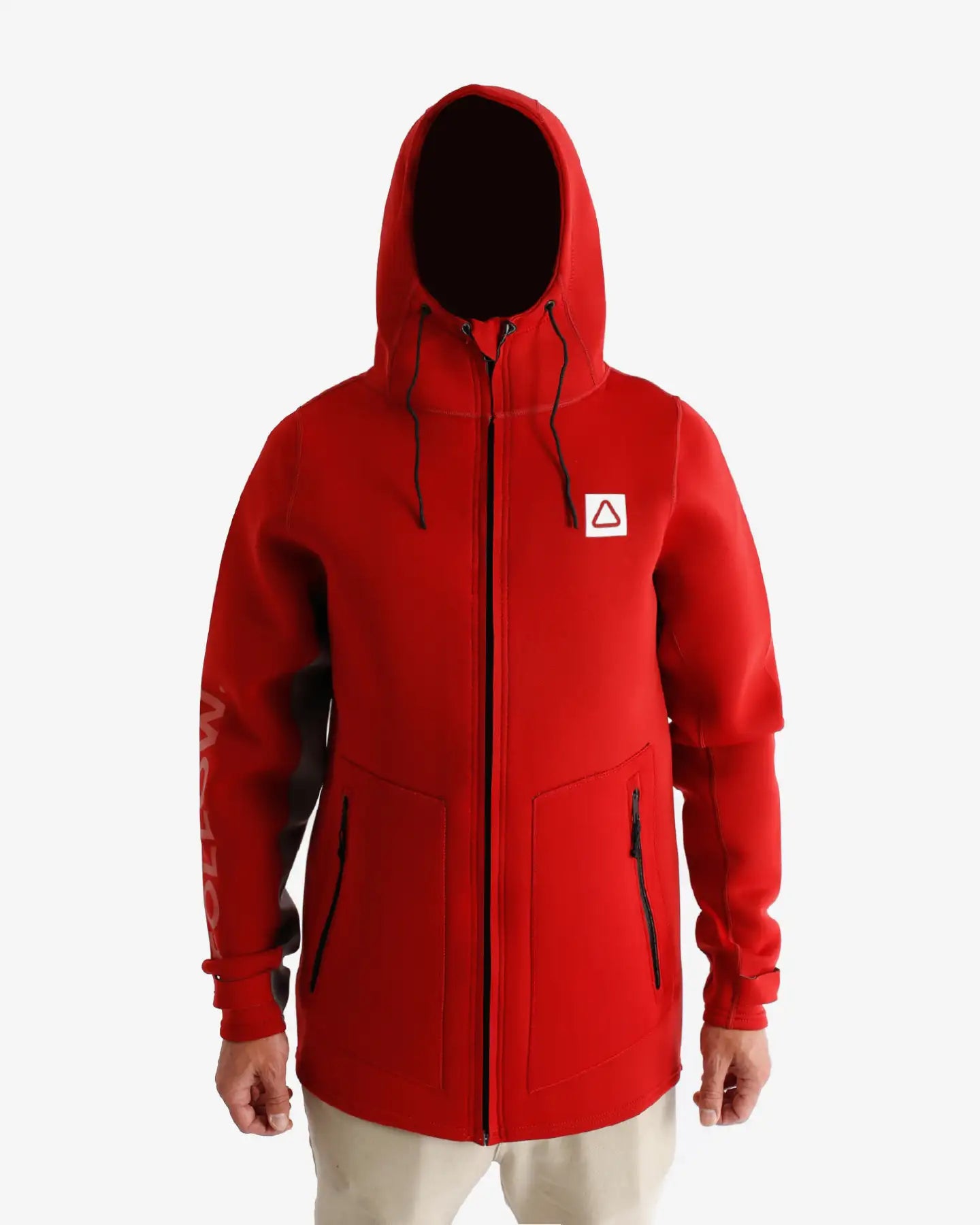
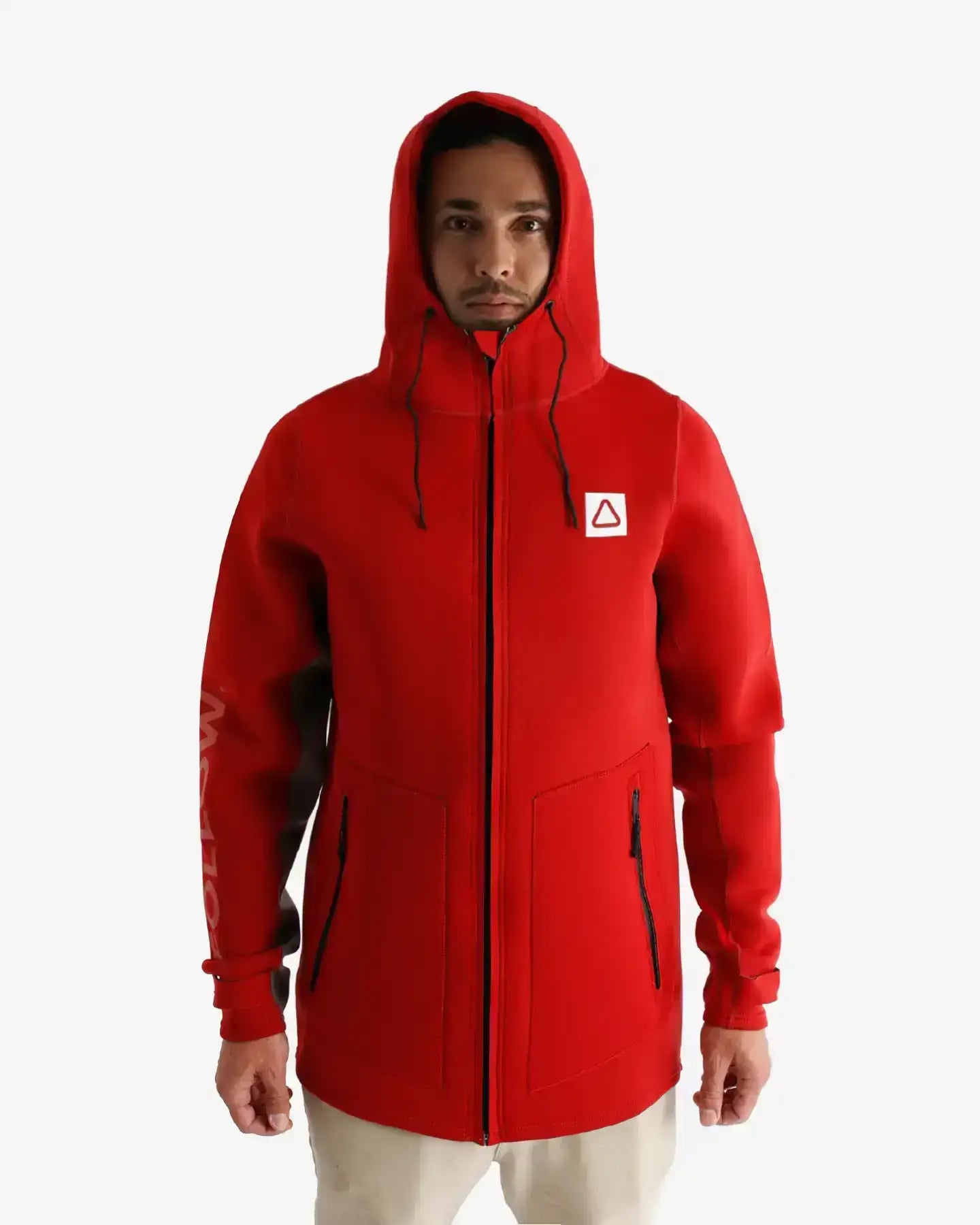
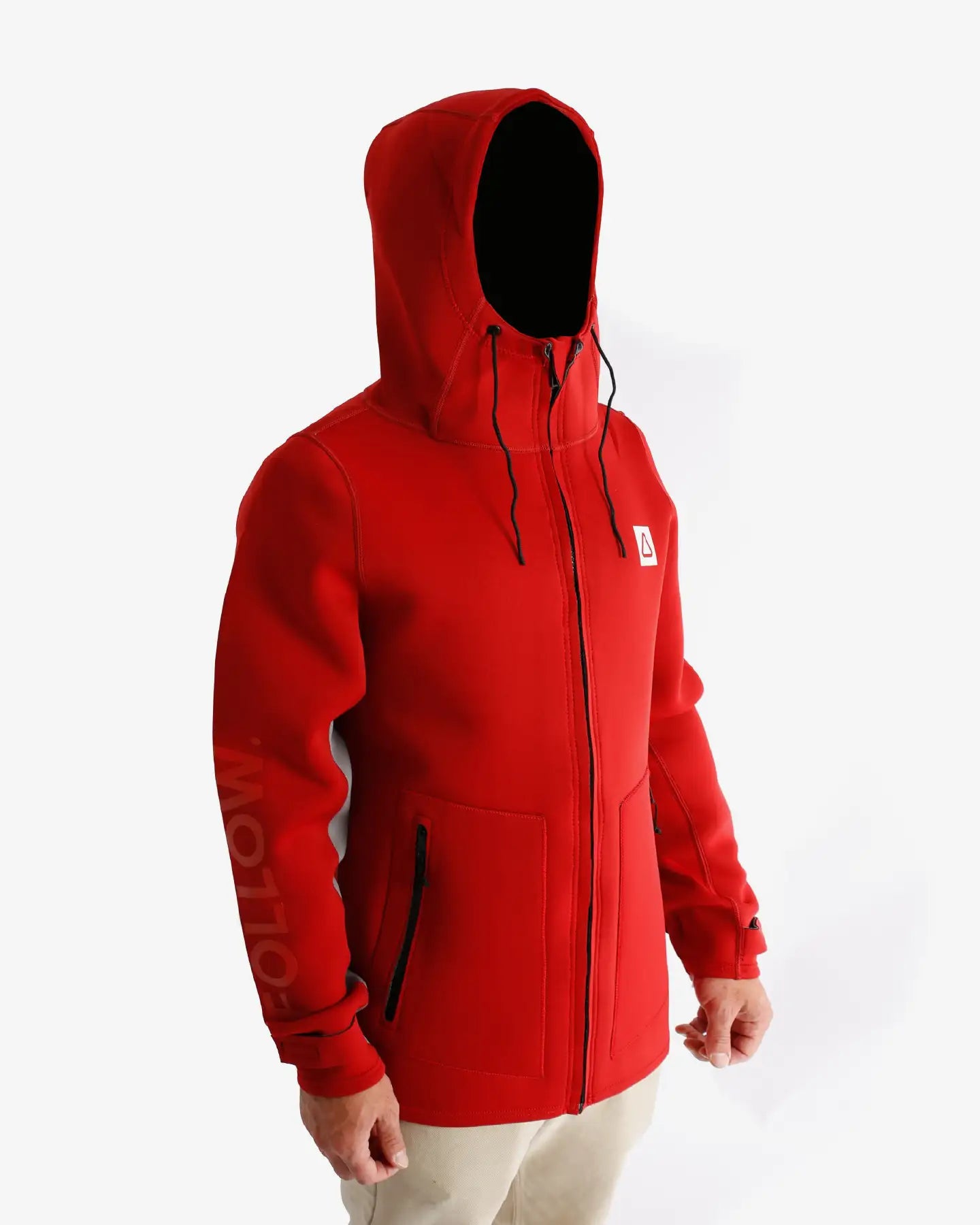
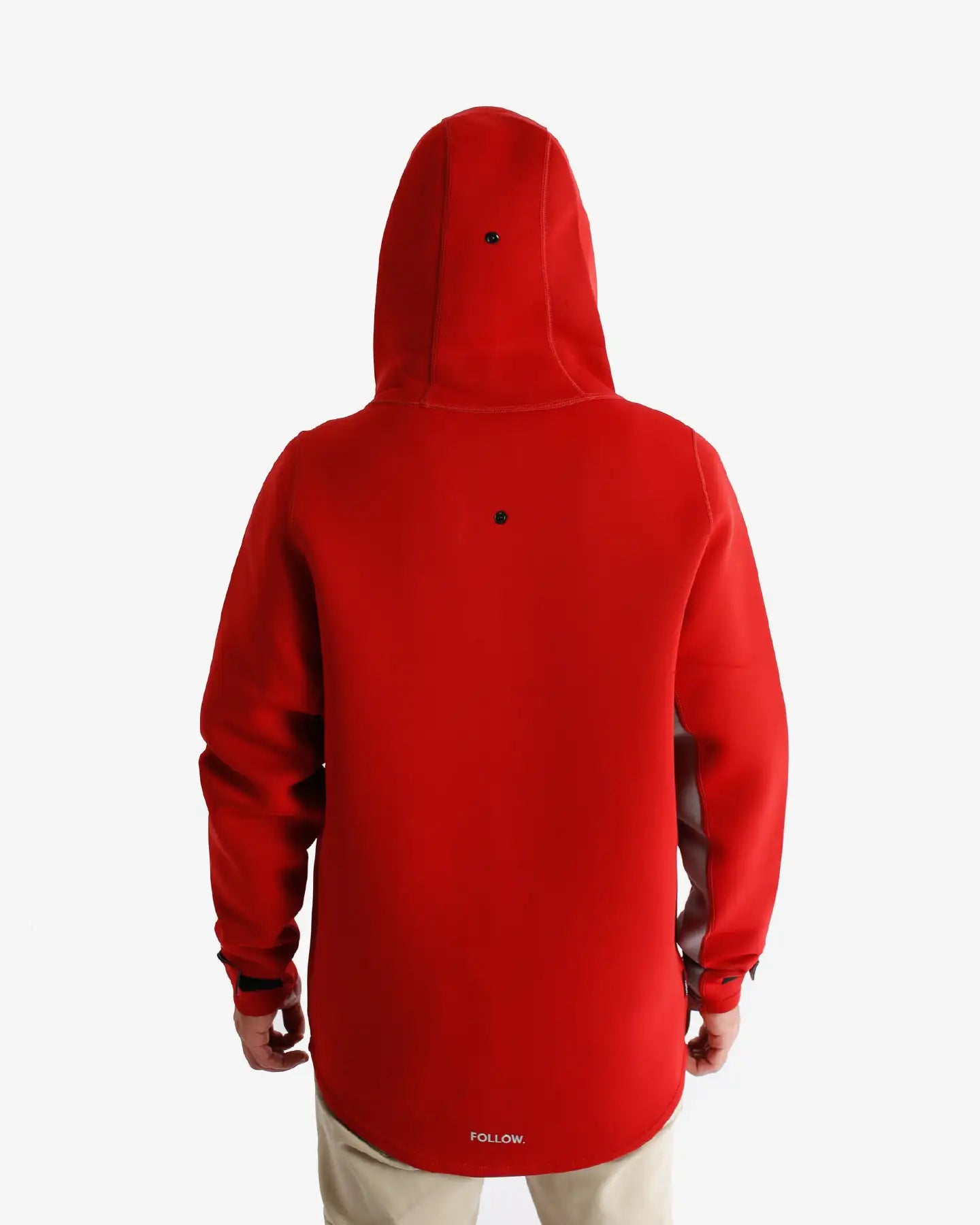
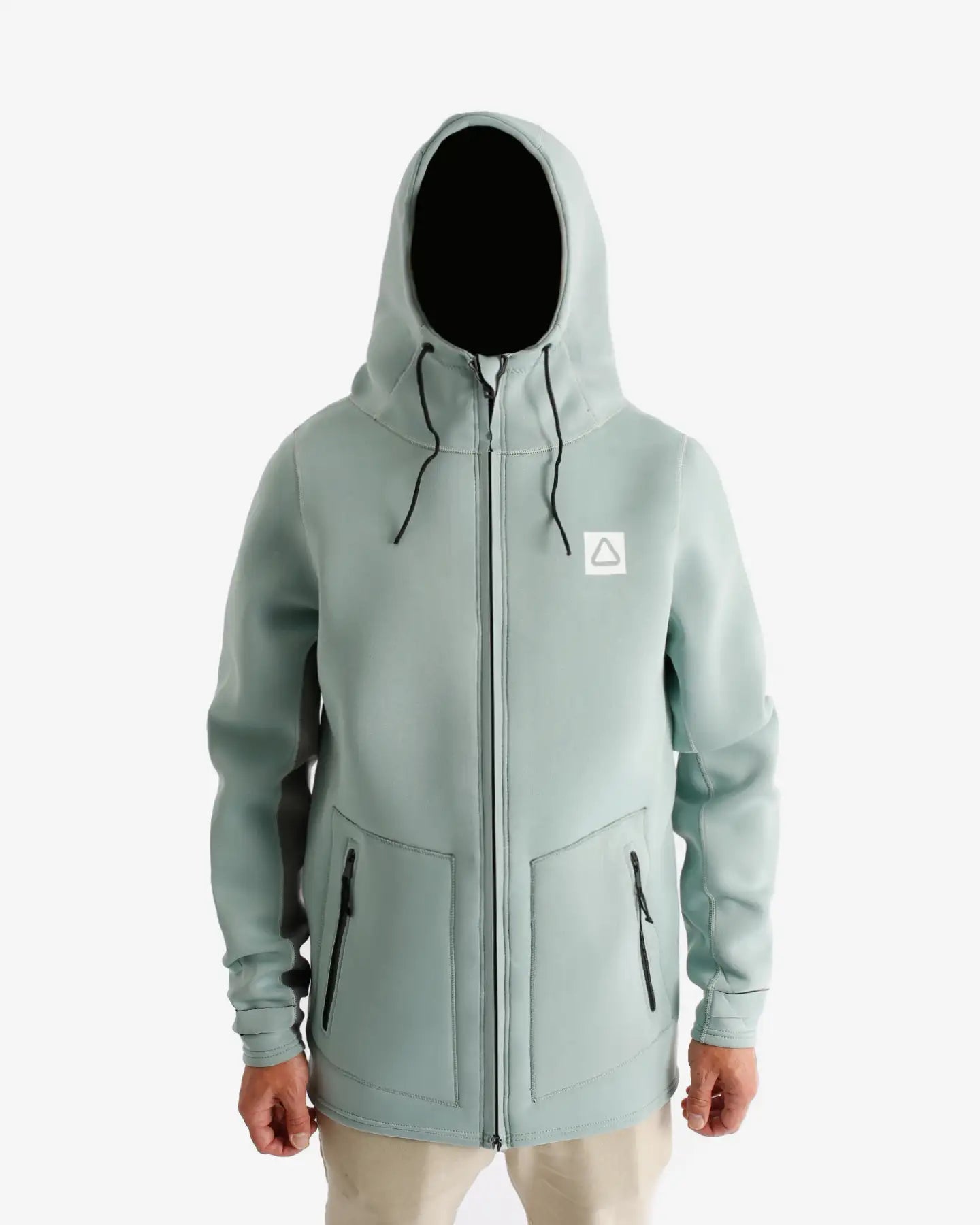
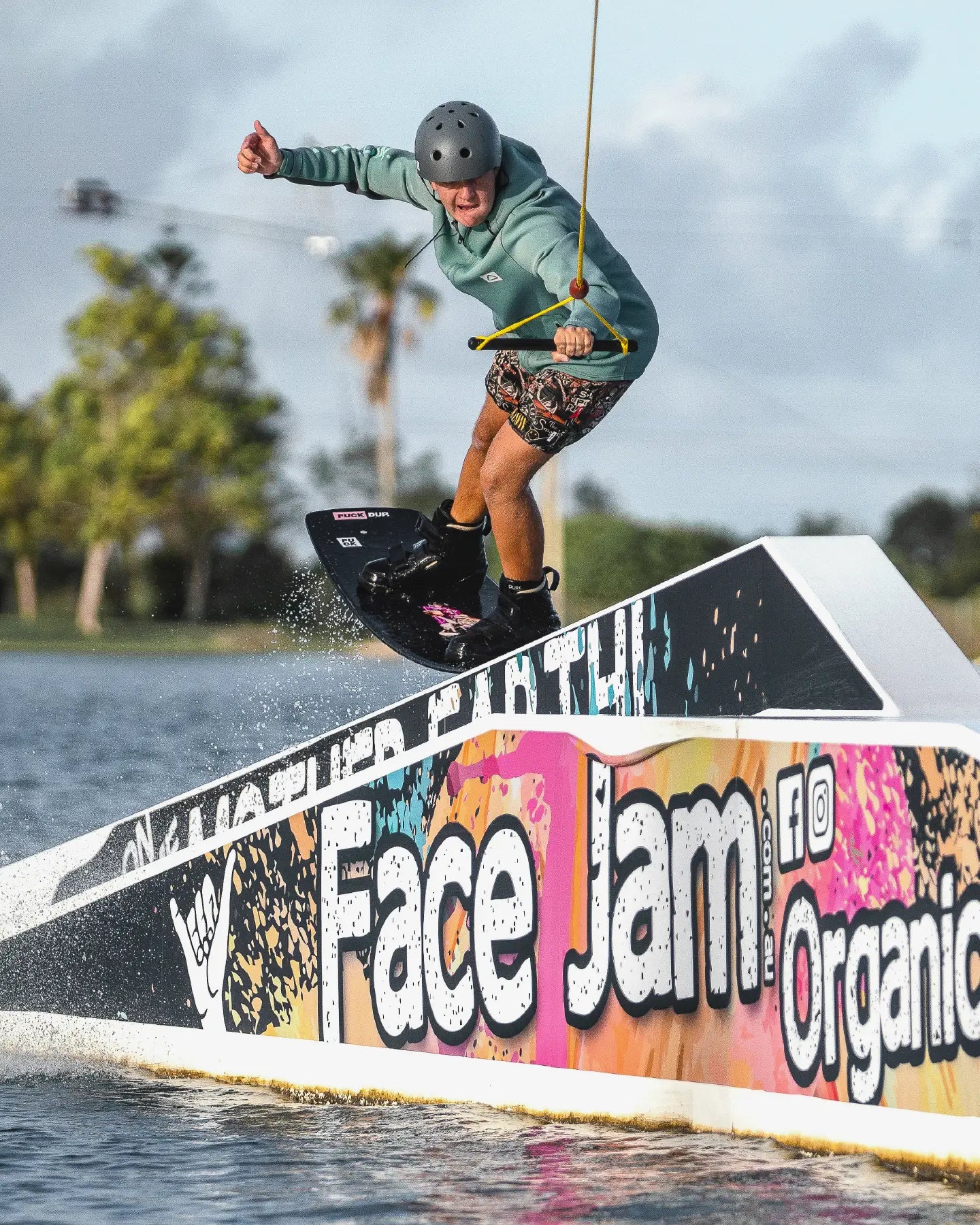
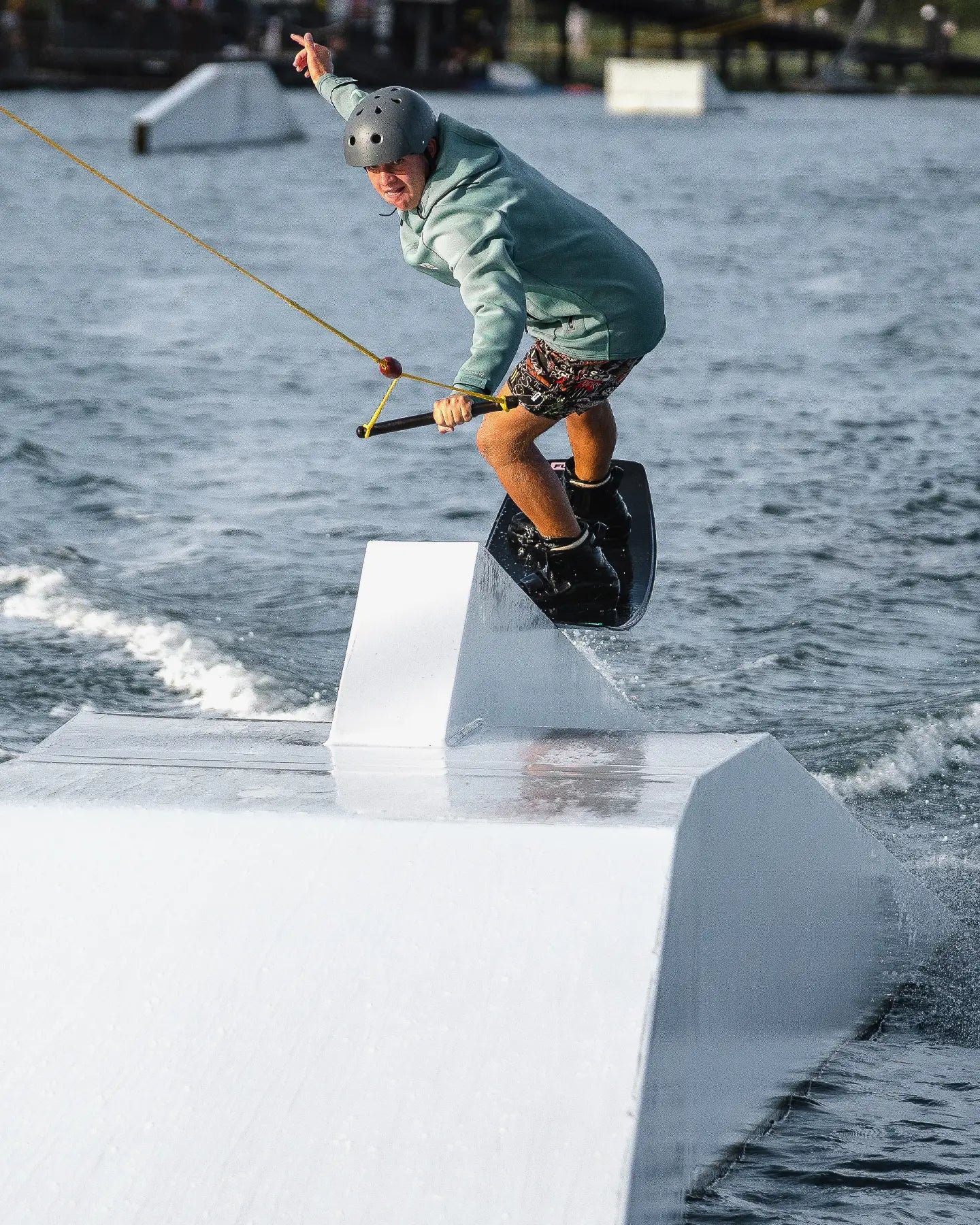
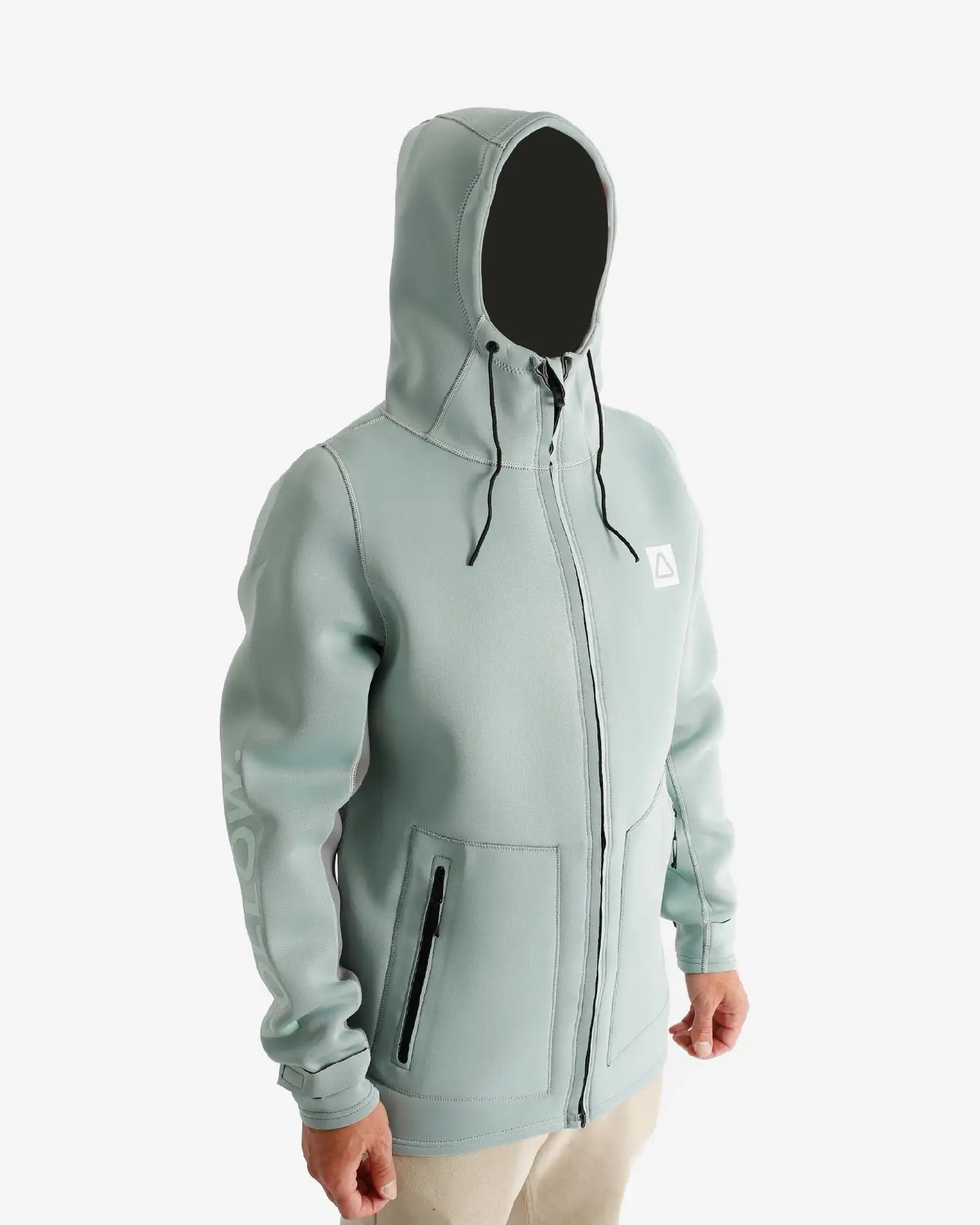
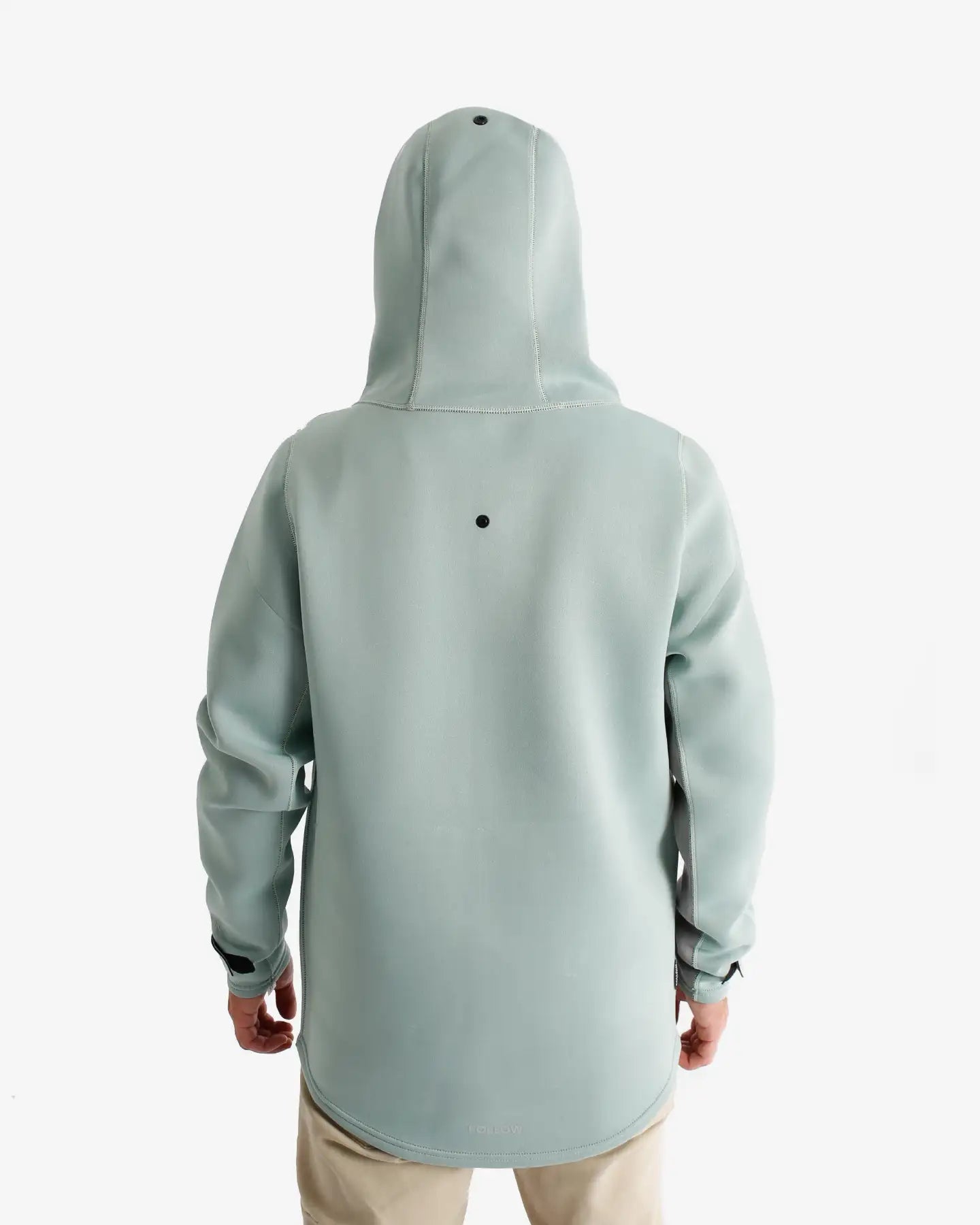
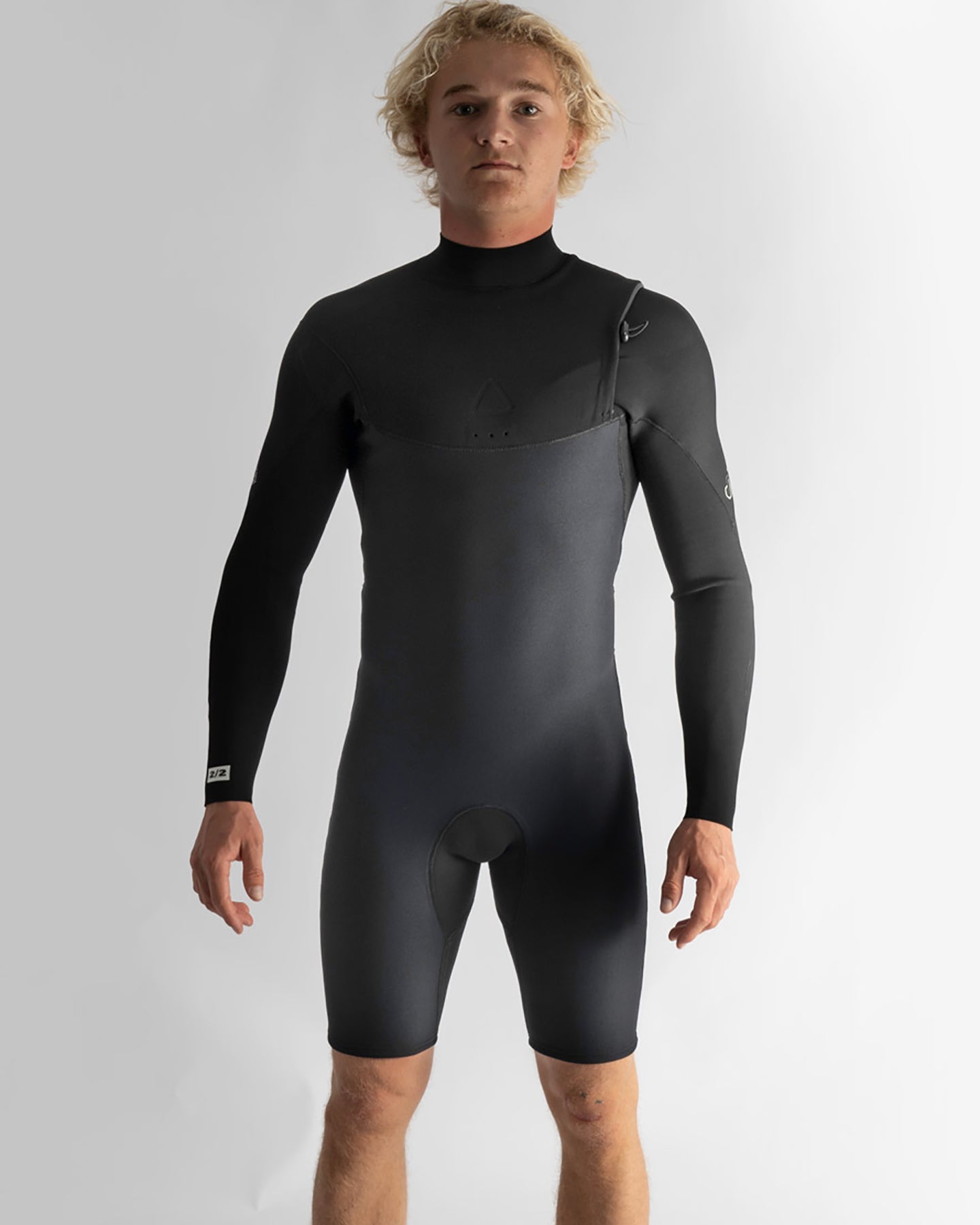
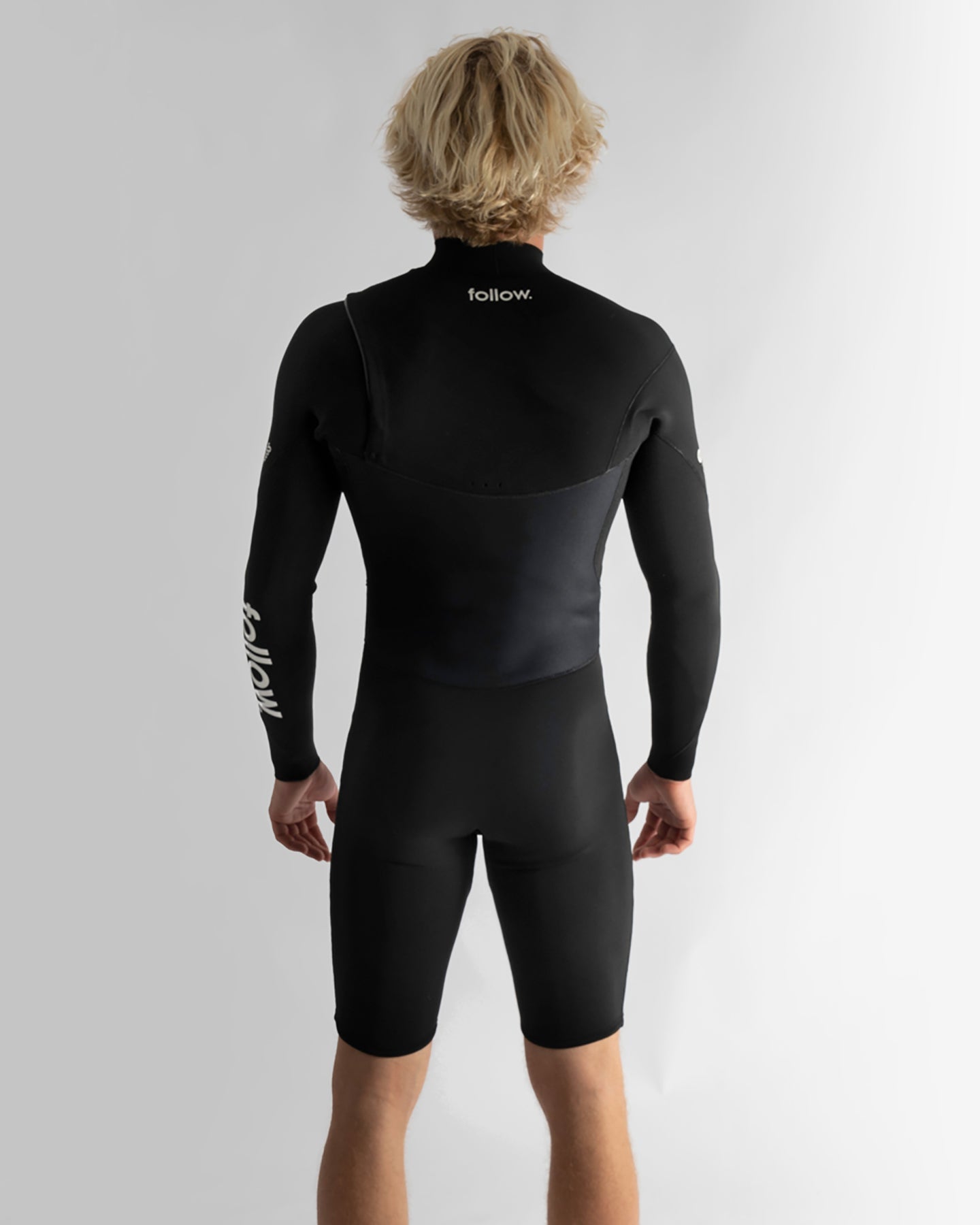
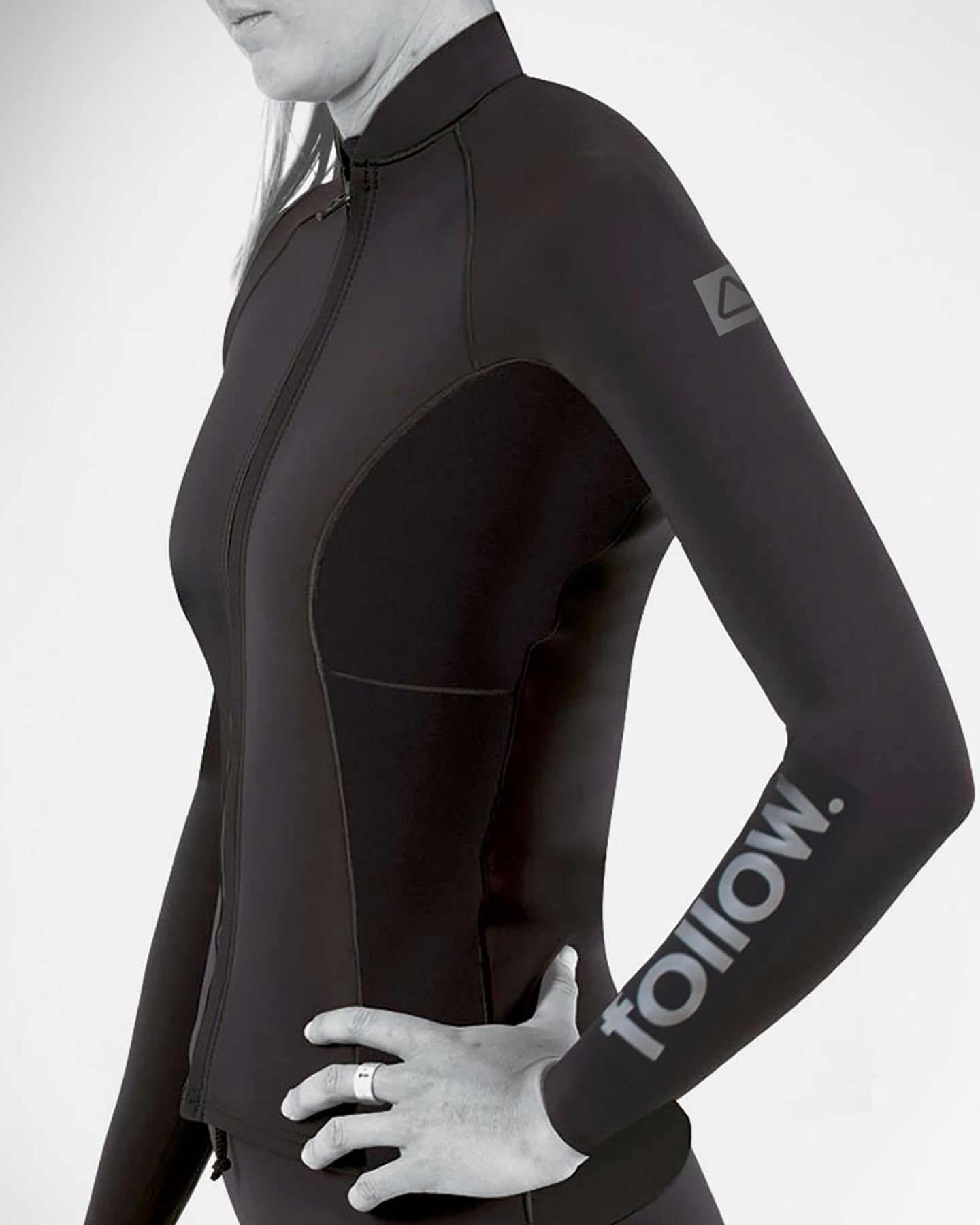
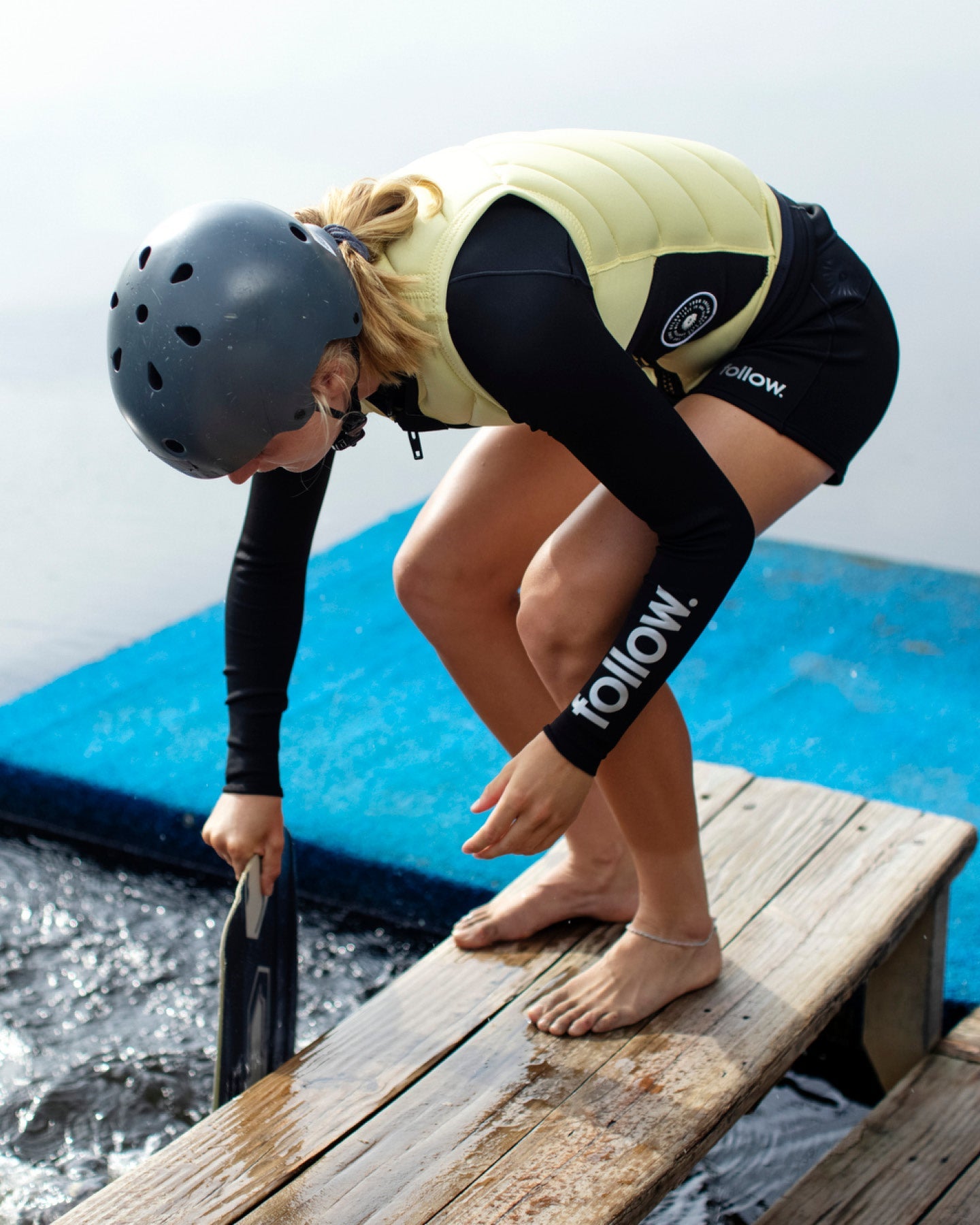
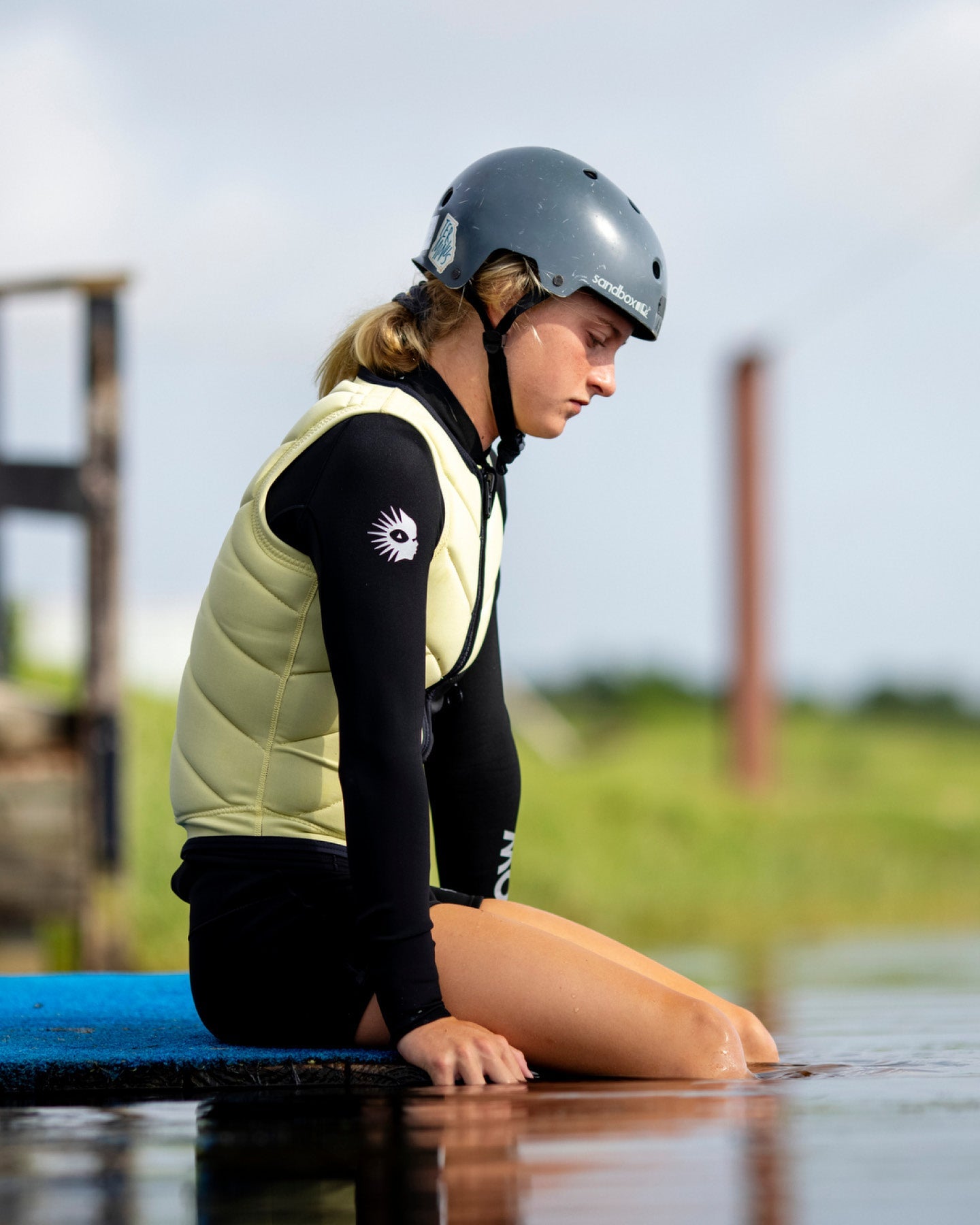
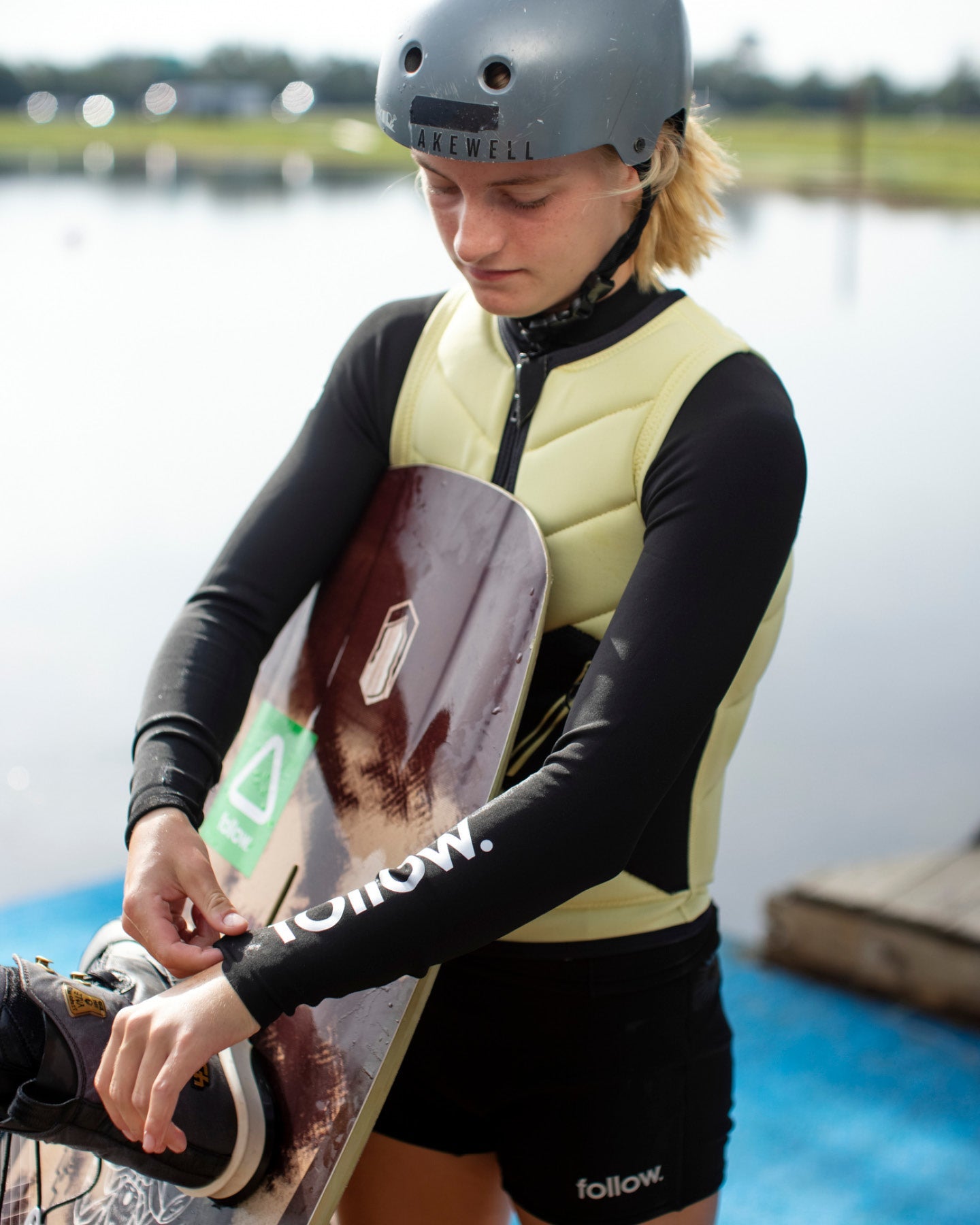
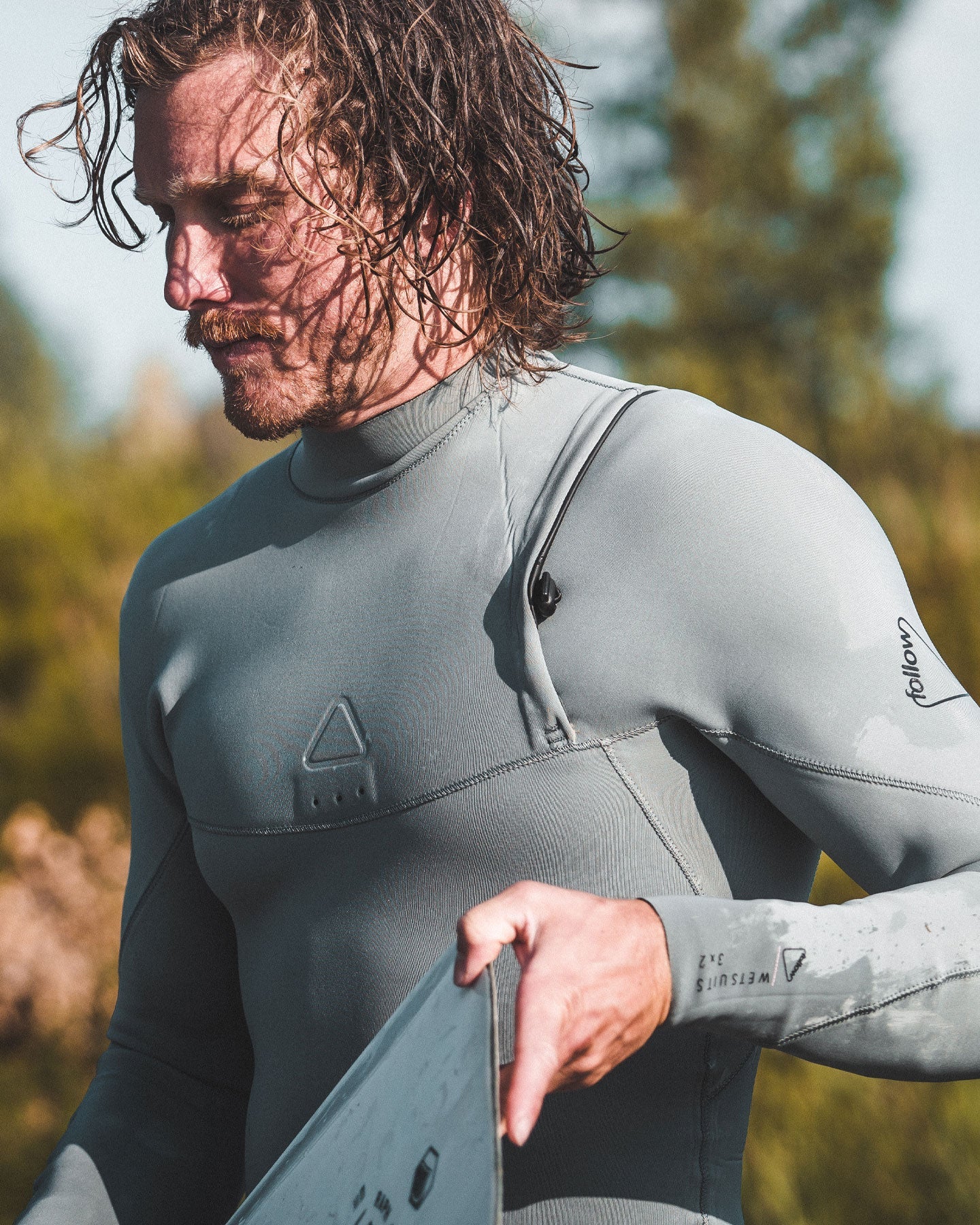
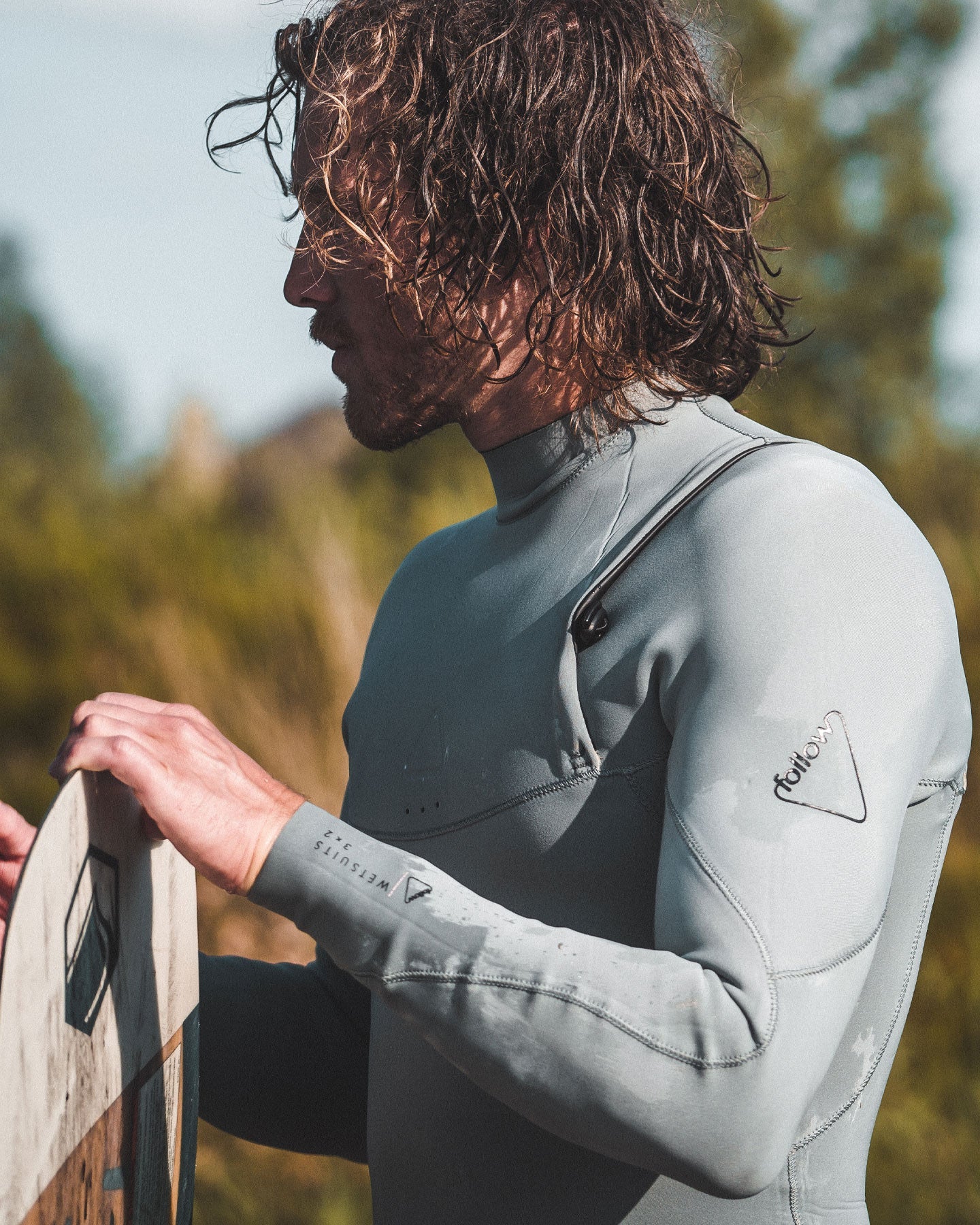
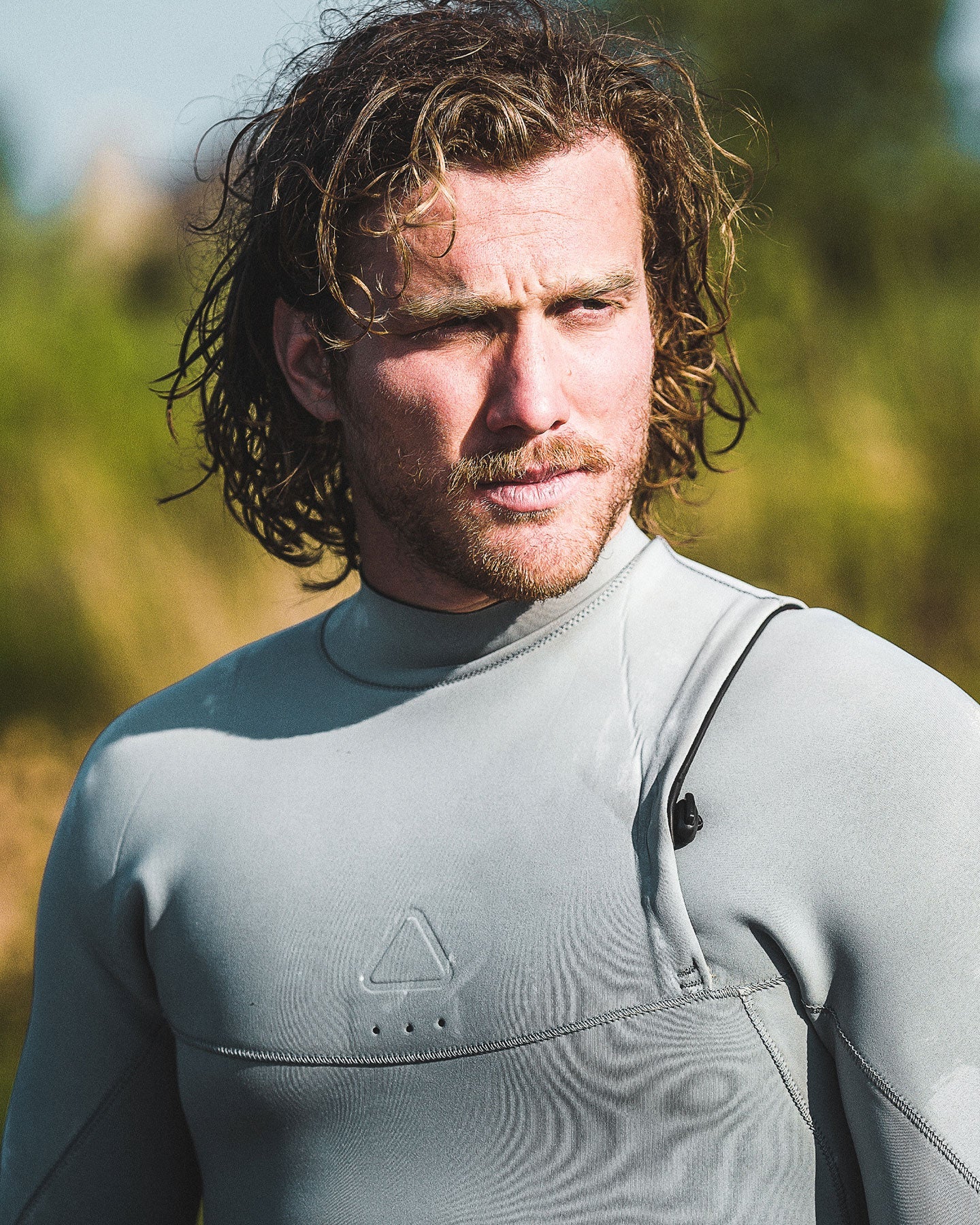
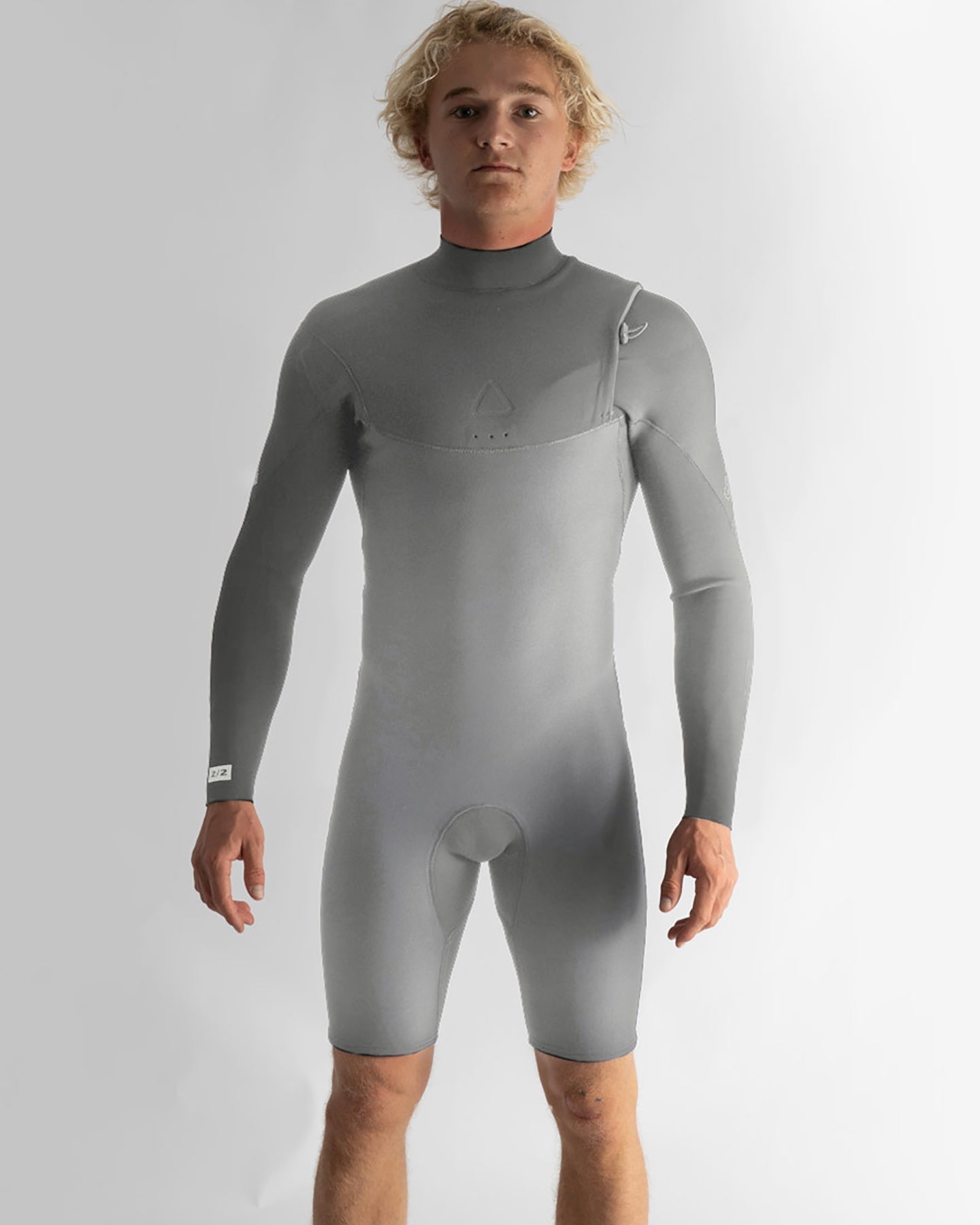
Wetsuit Construction
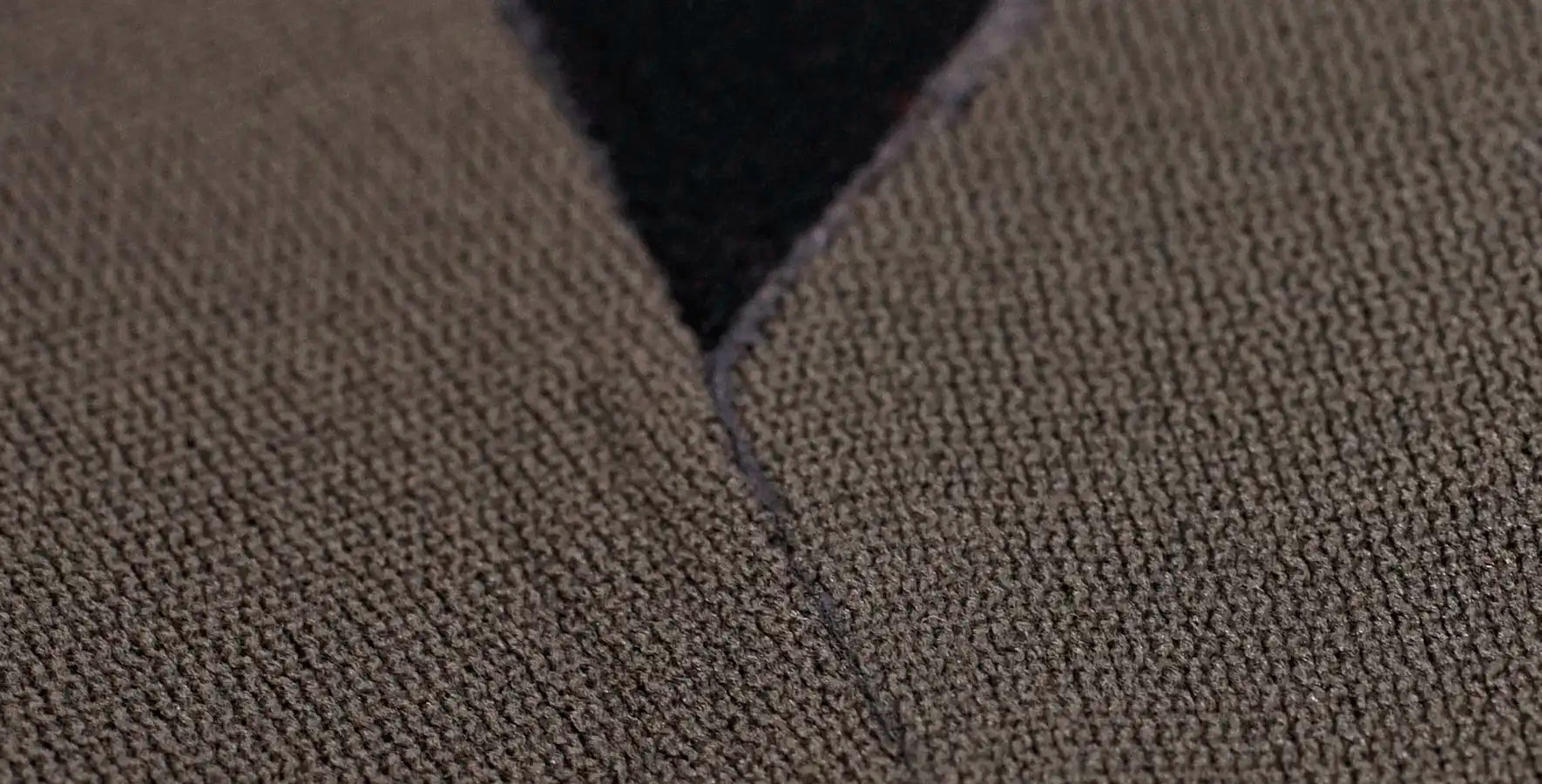
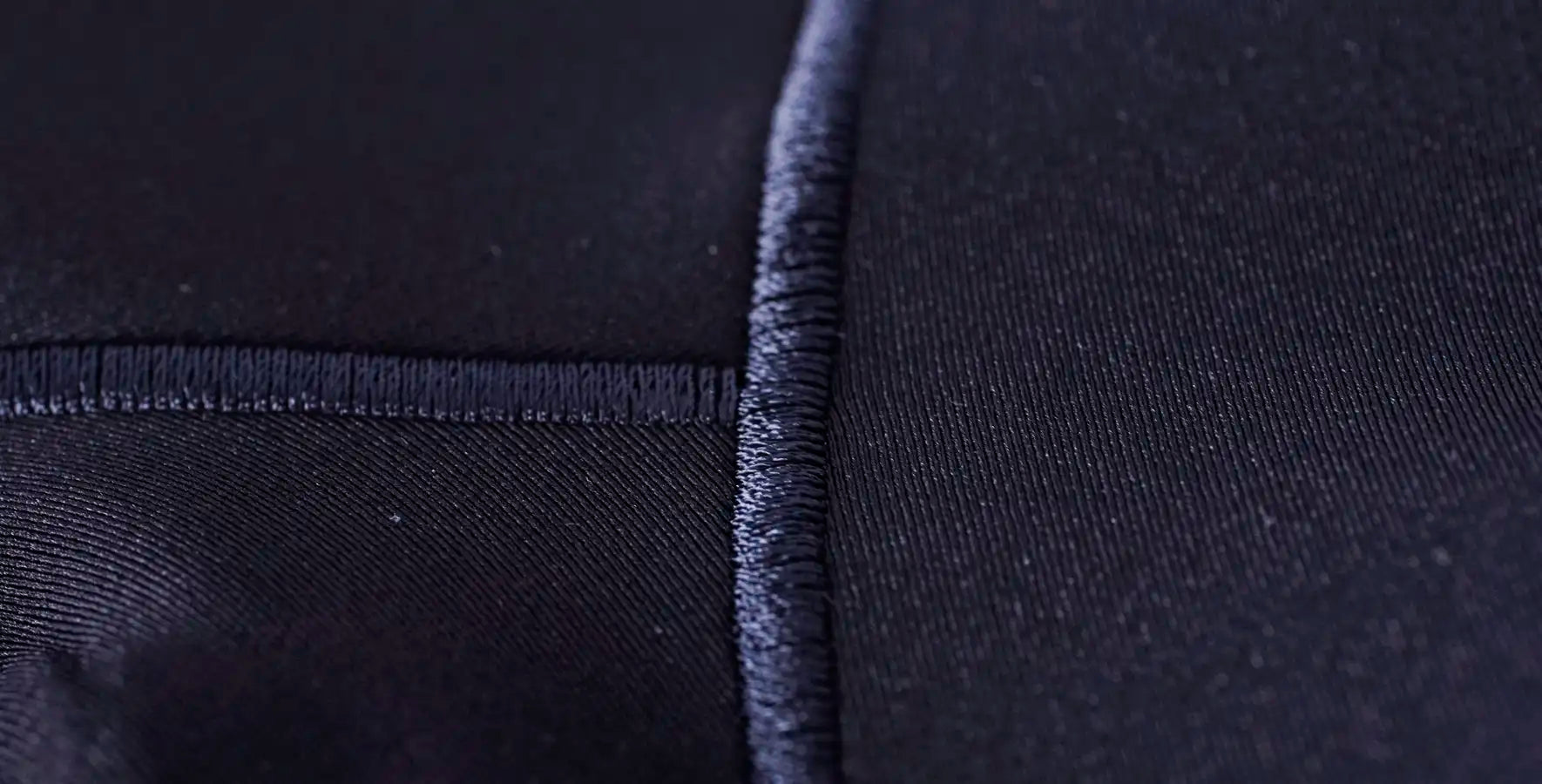
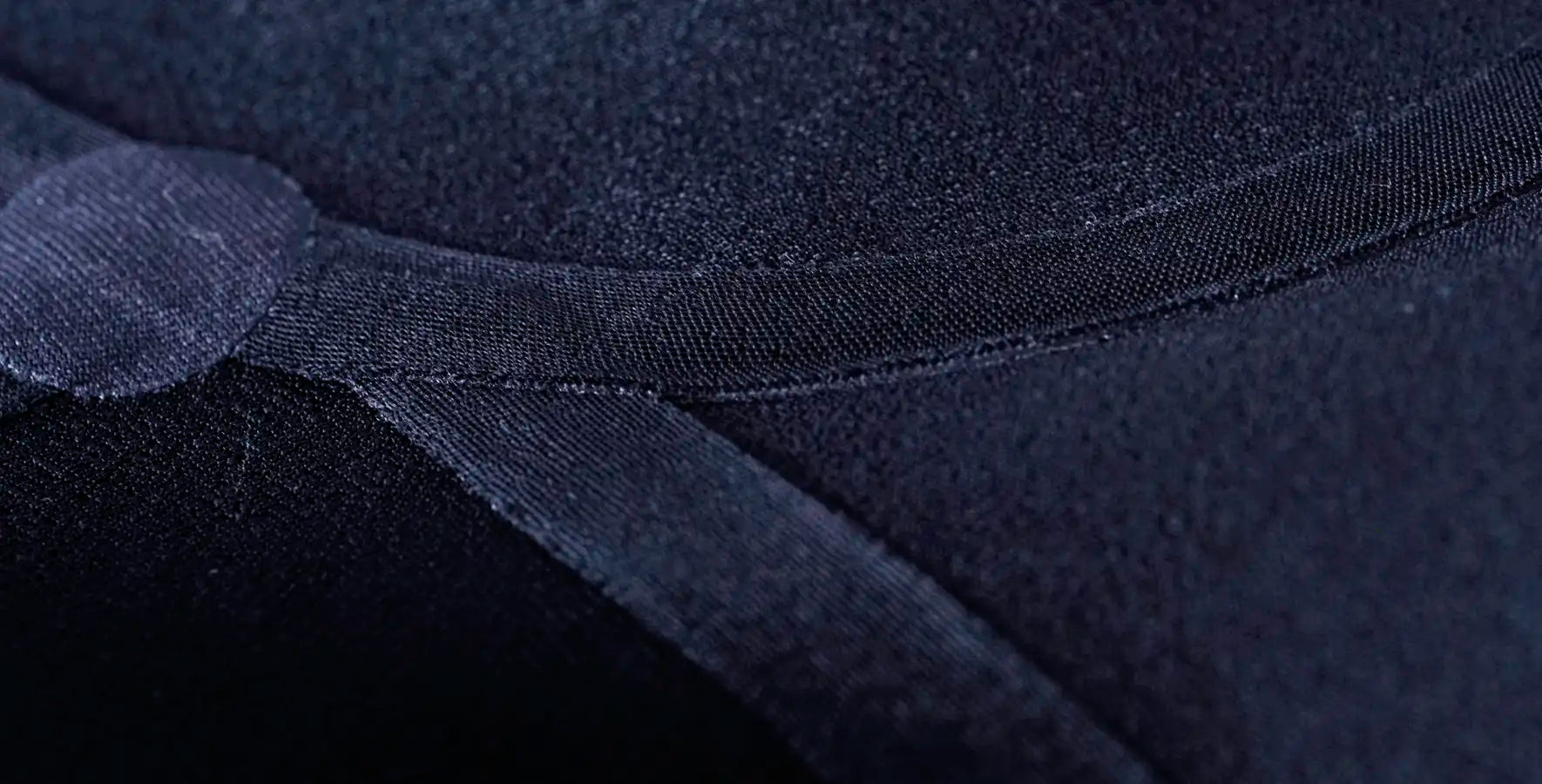
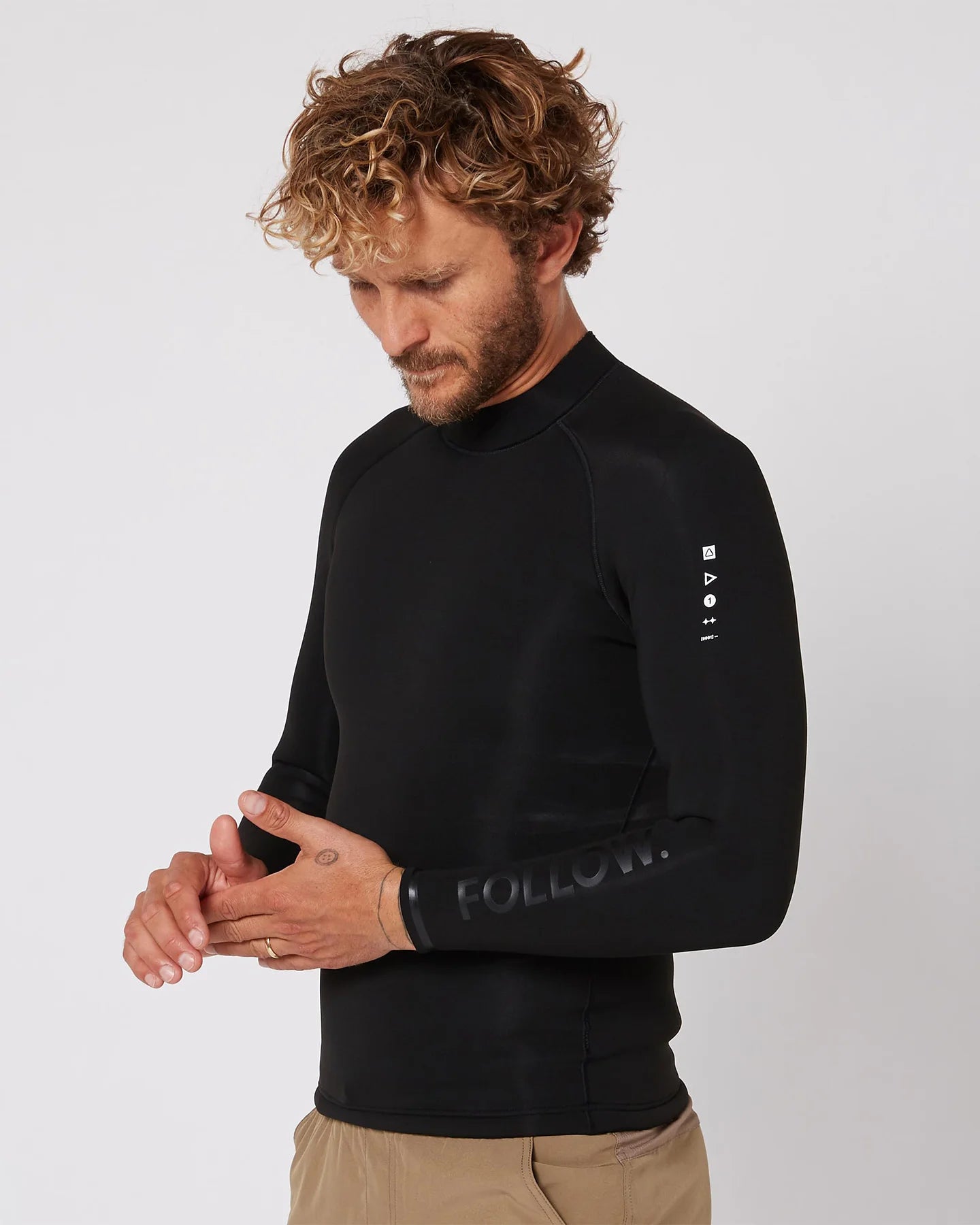
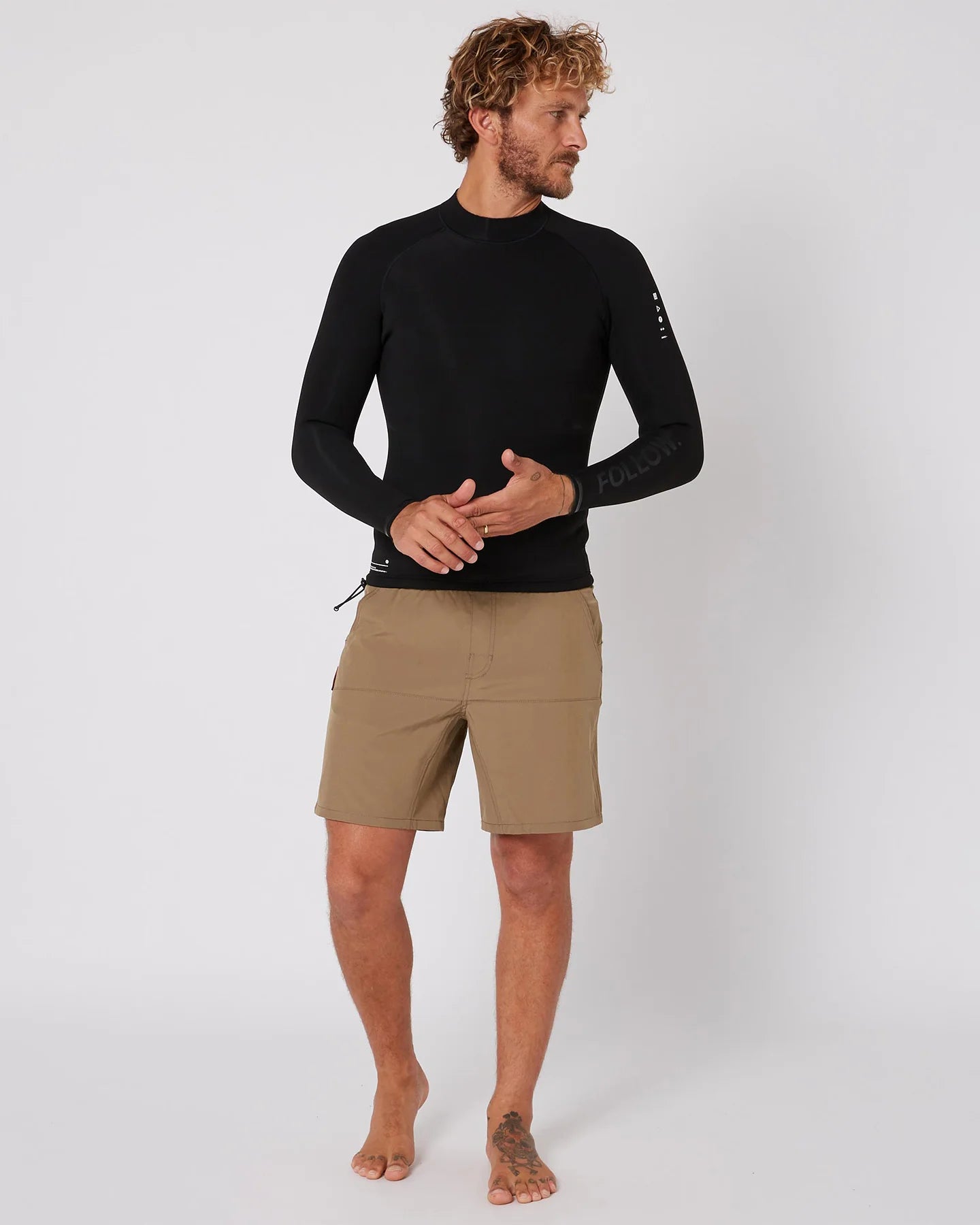
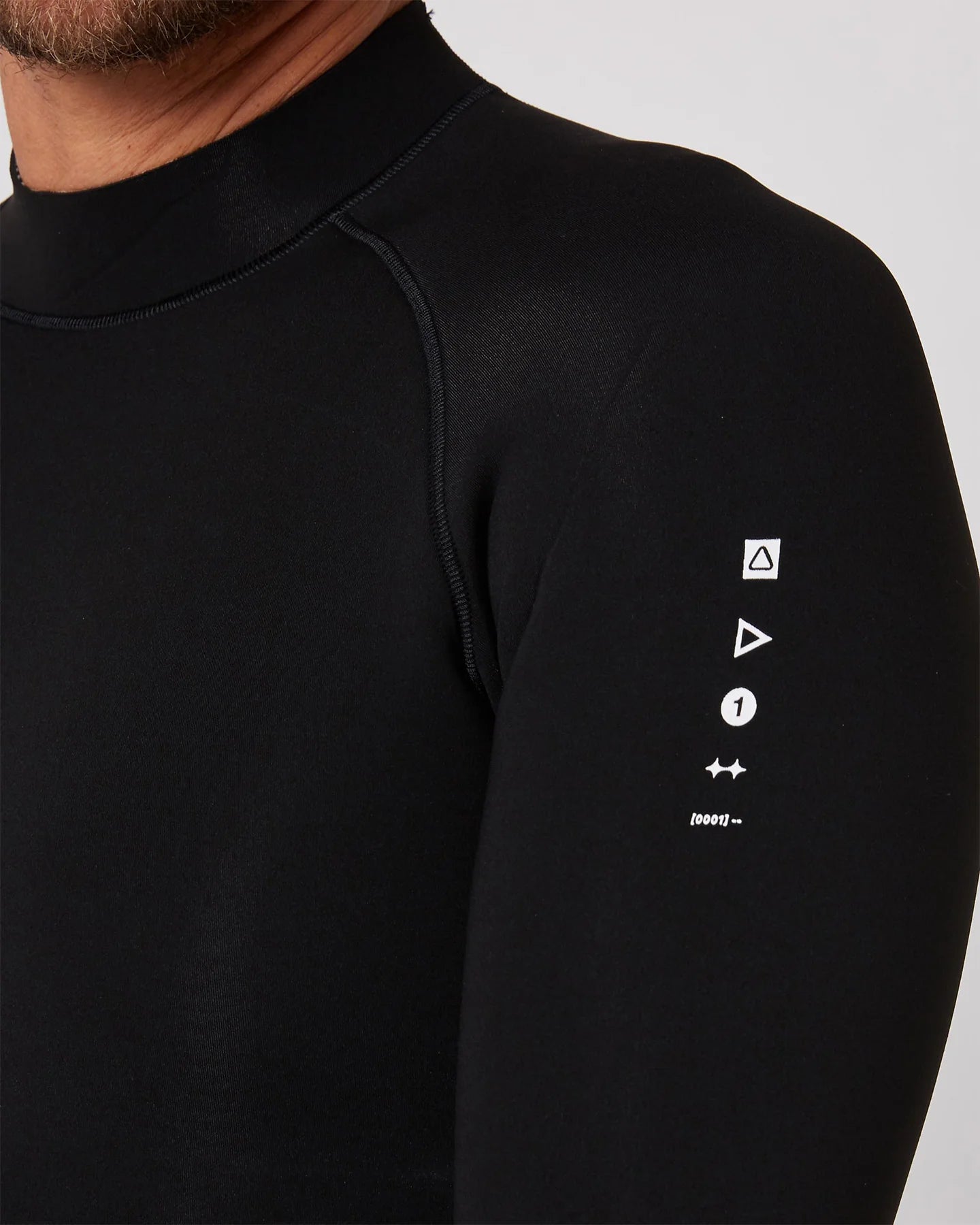
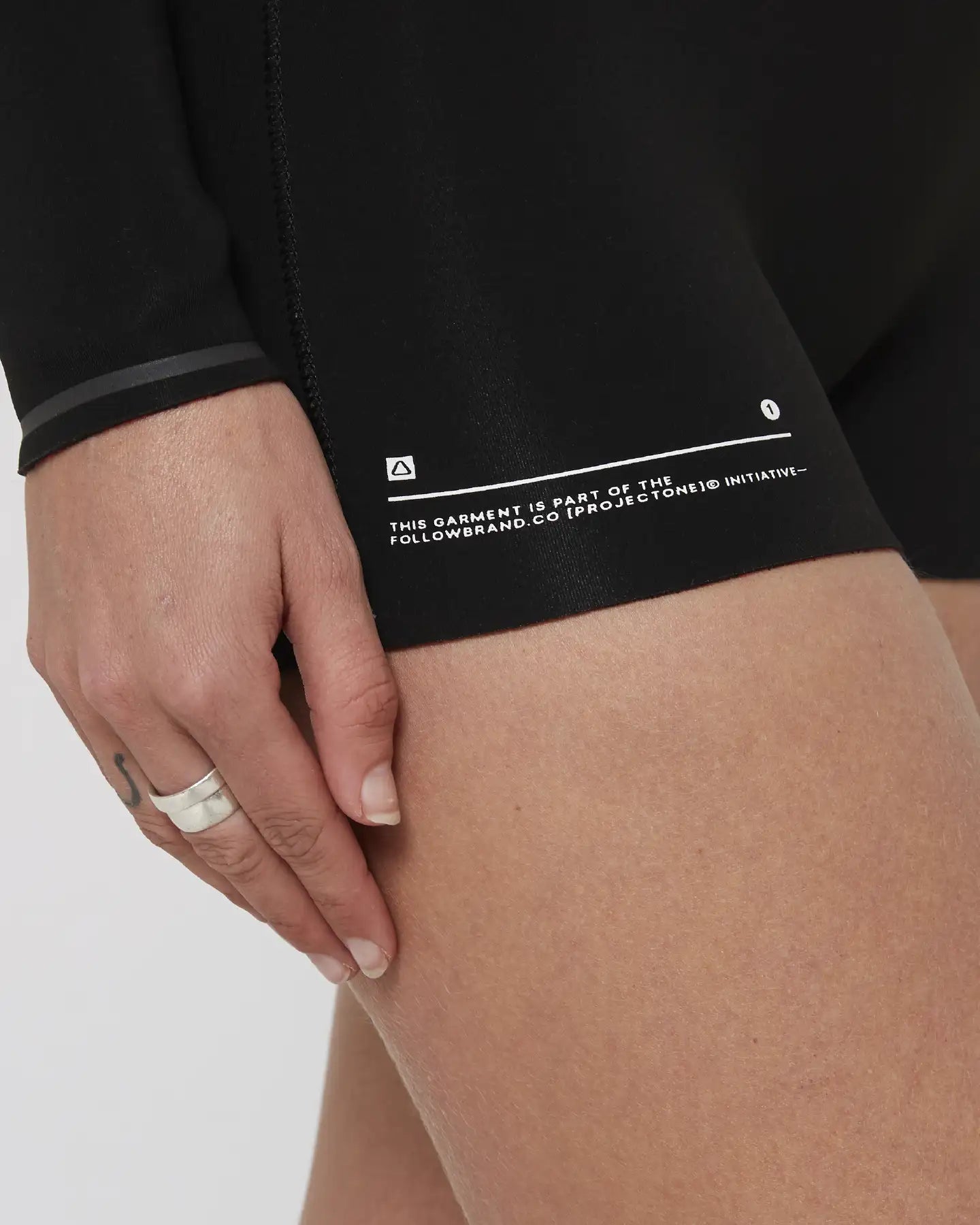
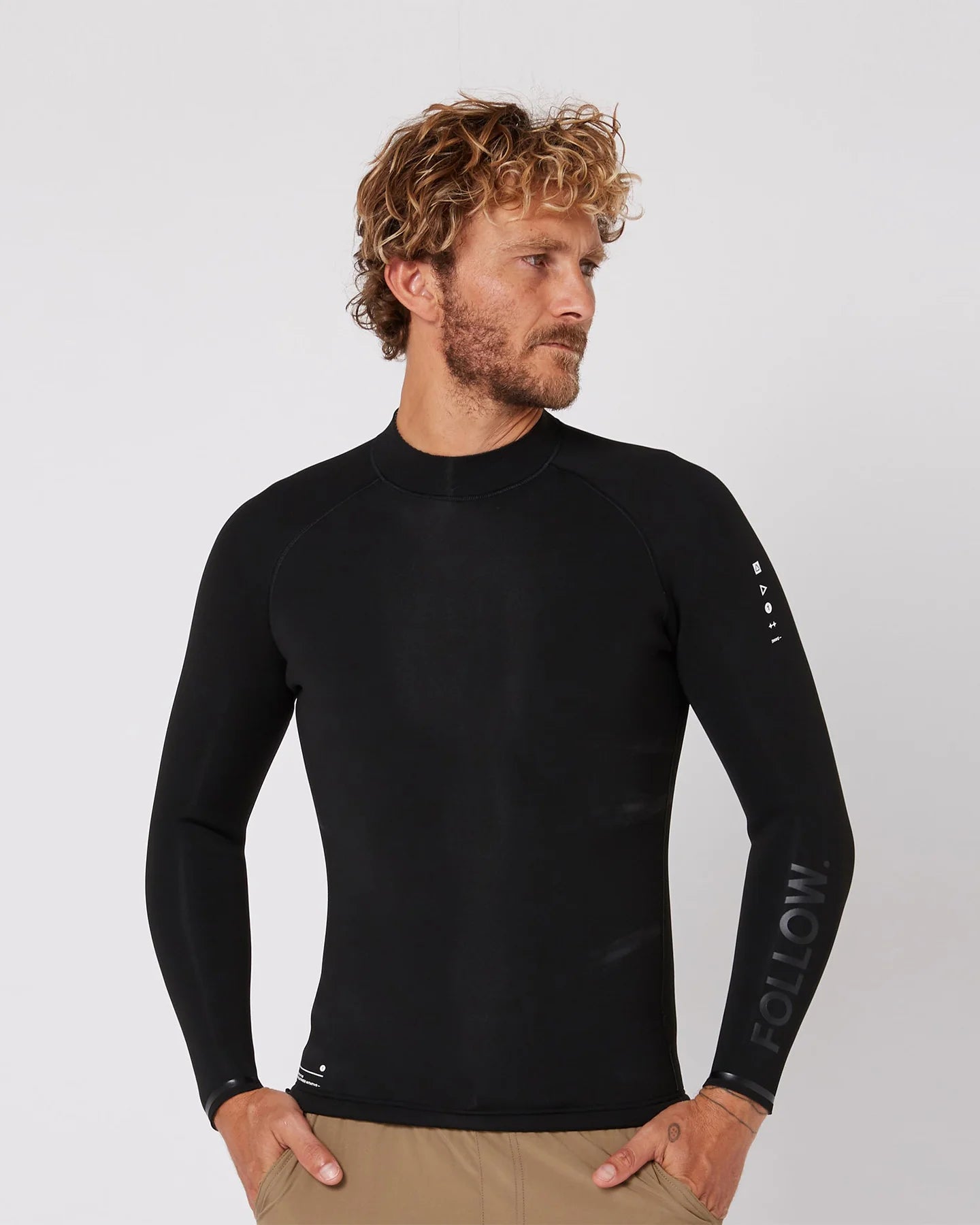
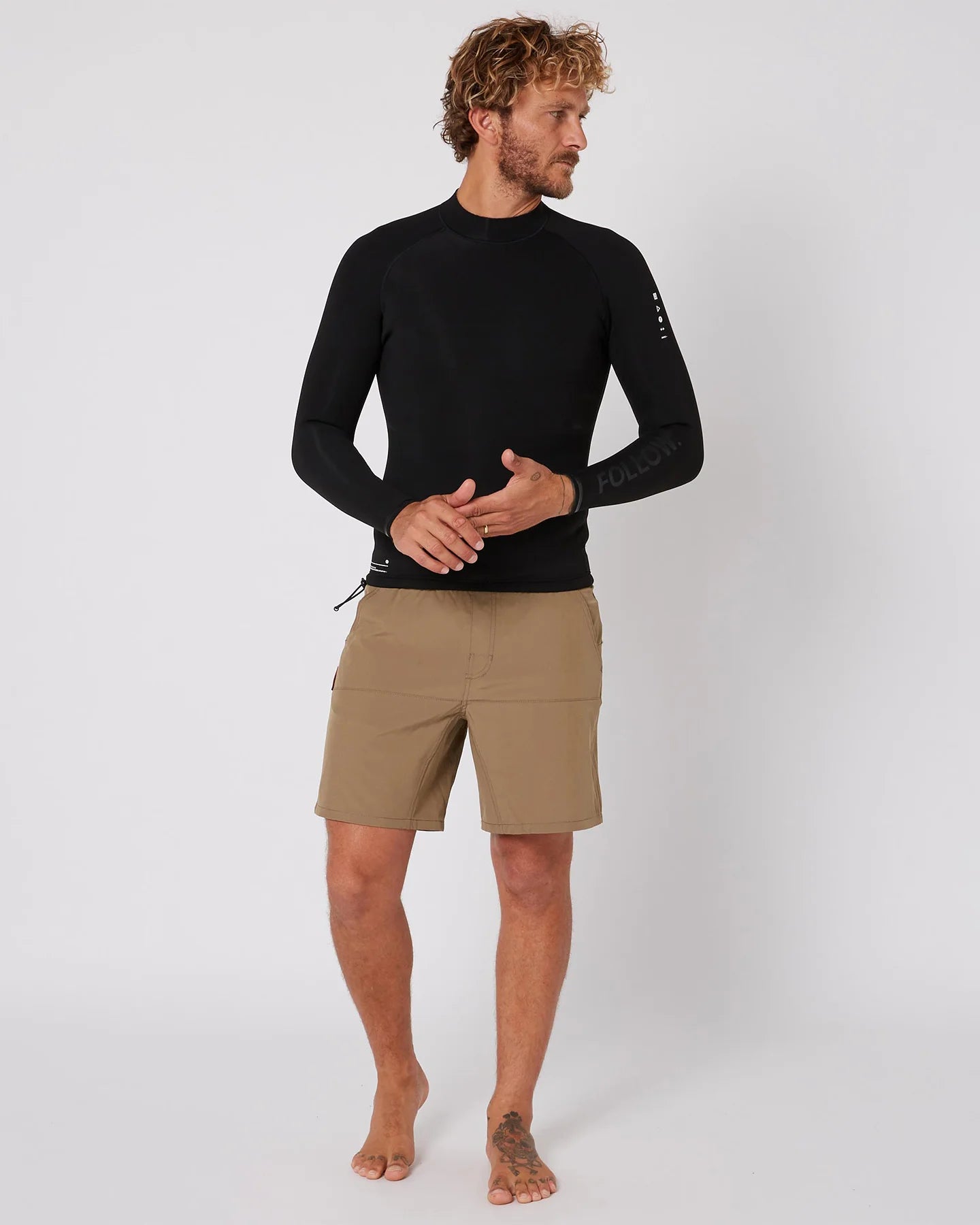
Follow wetsuits use Yamamoto-grade eco neoprene with blind-stitched and sealed seams — engineered for wakeboarding, wake surf and cold-water foil. The construction prioritises stretch where you need to move and warmth where you need it.
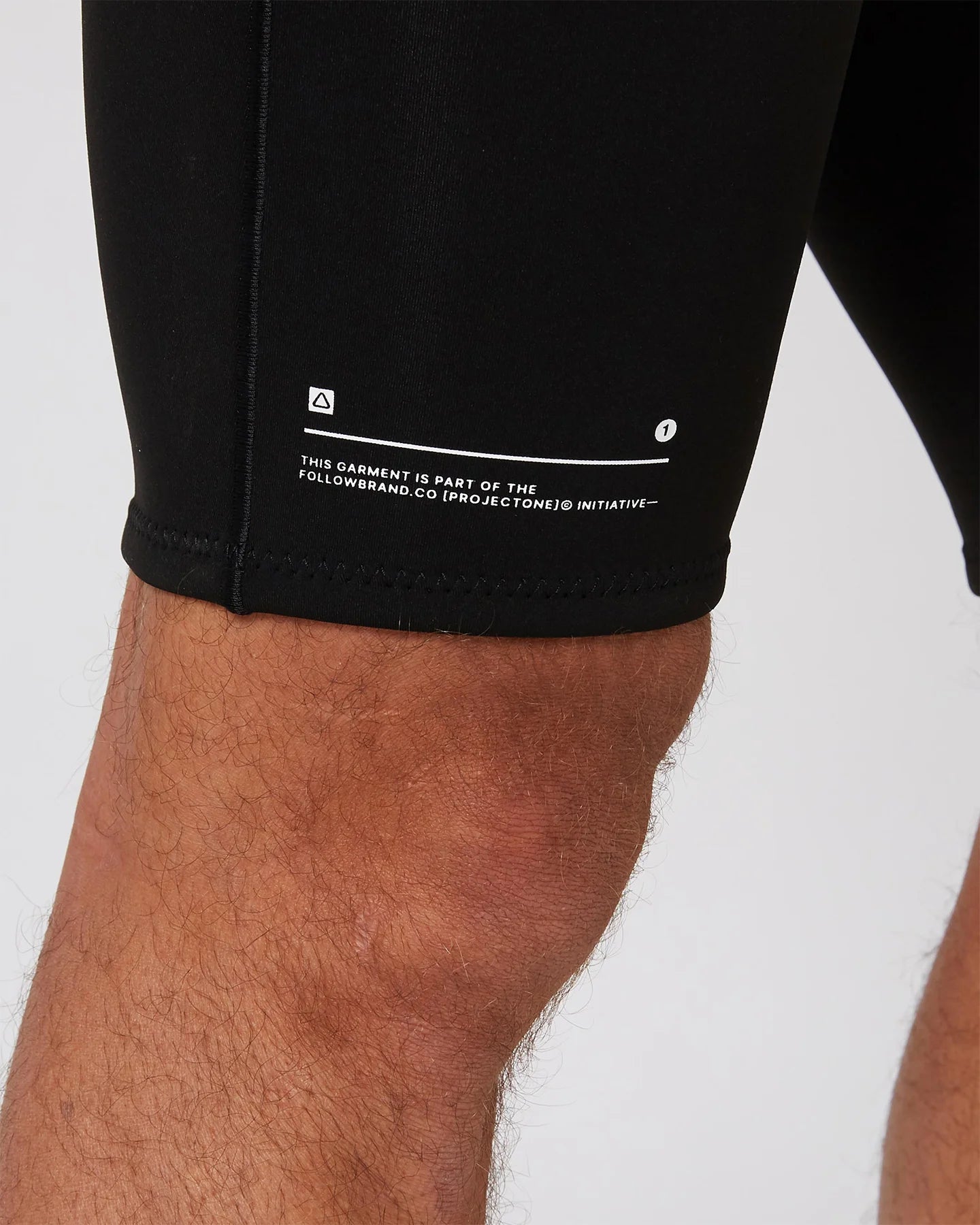
Sustainability matters: where possible Follow uses recycled neoprene and low-impact dyes through the Project One initiative.
Frequently asked questions
What's the difference between Yamamoto and standard neoprene?
Yamamoto neoprene is made from limestone (rather than petroleum), giving softer feel, better stretch and longer life. Follow uses Yamamoto-grade and eco-neoprene across the wetsuit range — the rubber that performs in cold European water without environmental compromise.
What wetsuit thickness do I need for European water?
For cold European water (Switzerland, Scandinavia, UK in winter), a 4/3mm or thicker steamer is recommended. For warmer water (Mediterranean, summer), a 3/2mm steamer or springsuit works. Follow's Wetsuit fit guide includes temperature recommendations for each thickness.
How are Follow wetsuit seams constructed?
Follow wetsuits use blind-stitched and sealed seams — the panels are glued together with neoprene cement, then stitched without piercing the inner layer, then sealed with liquid tape for full water-tightness. This is the construction standard for surf and wake wetsuits.
Are Follow wetsuits eco-friendly?
Where possible, yes. Through Project One, Follow uses recycled neoprene, limestone-derived rubber (Yamamoto-grade) and low-impact dyes. The wetsuit range is moving towards full sustainable construction across the line.
